
Related videos:
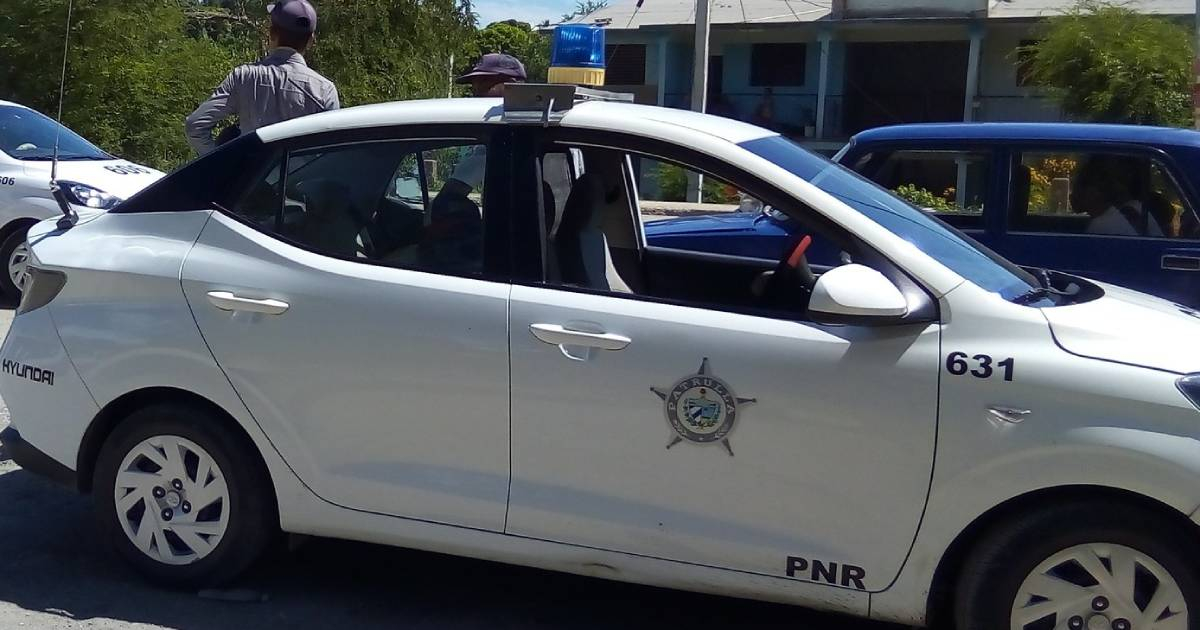
The General Directorate of the Revolutionary National Police (DGPNR) has issued a public call to young people interested in beginning their training as police officers, according to a post shared on Facebook by the official page "Heroes in Blue in Cuba."
According to the information released, the offer includes a Basic Police Training Course lasting six months, which combines theoretical and practical preparation. Upon completion of the program, participants would be promoted to the rank of non-commissioned officer and would have the opportunity to enroll in advanced professional development courses.
Among the mentioned specializations are motorized agent, patrol car driver, provincial police brigade, video surveillance observer, and railway agent. The call also includes a Police Higher Intermediate Course with a total duration of 11 months, structured in two six-month stages.
This last program includes subjects in Law and grants 15 days of vacation at the end of each semester. According to the information provided, upon graduation, students would attain the rank of second lieutenant and could access the Bachelor’s degree in Law at university branches of the Police, without the need to take an entrance exam.
The main positions associated with this training include criminal investigator, public safety officer, and case officer.
As requirements for entry, the DGPNR indicates the need to have appropriate social conduct, pass medical and psychological exams, be a graduate of 12th grade or have a technical degree, and be between 18 and 35 years old. The training would take place at the "Mártires de Tarará" Police Academy, located in the Playa municipality of Havana, as well as in the selection offices of the DGPNR in the Plaza de la Revolución.
The post generated numerous reactions among users. Some comments expressed institutional support and pride, but critical opinions also emerged. Among them were remarks like "You must be crazy" and another that pointed out: "The police deficit will never be solved in this country due to poor working conditions, housing, shelters, food in the shelters, and low salaries." Several users also questioned the working conditions and the impact of the profession on the relationship with the population.
Along with the evaluations both for and against, other comments expressed direct interest in the call for participation, with messages such as “I’m interested,” “I’m interested in the course,” and “Hi, I’m interested in the course, can someone help me join?” This shows that the proposal has caught the attention of some young people.
The call from the Ministry of the Interior comes in a context characterized by a visible deficit of agents on the streets, a rise in criminality, and growing social rejection of the regime's repressive bodies. While the official discourse insists on presenting police work as a pillar of the "well-being of the people," many Cubans question the harsh working conditions, low salaries, and the role of the National Revolutionary Police in everyday repression and social control, factors that continue to drive many young people away from this profession.
Filed under: