
Related videos:
For years, the Cuban regime sustained its energy system thanks to preferential oil shipments from Venezuela, within the framework of a political alliance that allowed Havana to operate outside traditional energy markets. That scheme has collapsed, and today Cuba faces a much more fragile reality: dependence on sporadic, irregular shipments under constant scrutiny.
The drastic reduction in Venezuelan supply has exposed the structural vulnerability of Cuba's energy system. Without a stable supplier and lacking the financial capacity to purchase fuel under normal conditions, the country operates on minimal margins, where each arriving ship becomes a critical event to avert an immediate collapse.
The end of political supply
For decades, Venezuela provided Cuba with consistent volumes of oil and payment facilities that are no longer available with any other partner. The loss of that support forced the regime to improvise, relying on complex routes, intermediaries, and ad-hoc operations that do not guarantee continuity or stability.
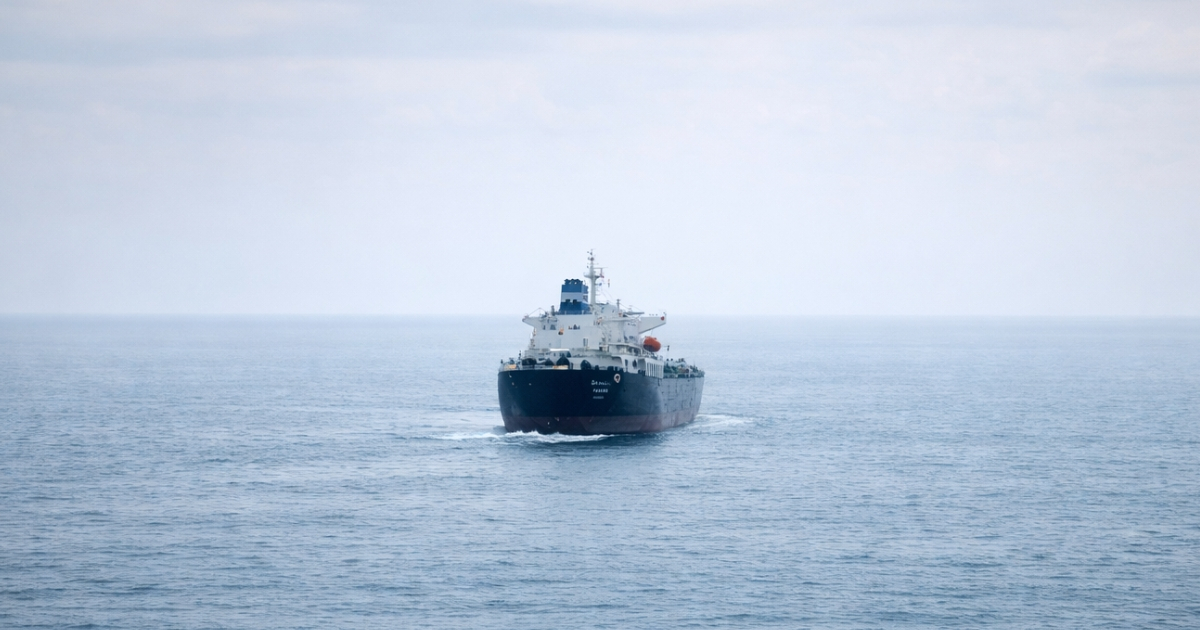
Without this regular flow, the tankers arriving at Cuban ports do so without a specific schedule or guarantees of replenishment. Each delivery barely meets immediate needs, failing to resolve prolonged blackouts or the fuel shortages in key sectors such as transportation and electricity generation.
Monitored shipments and reduced maneuverability
Unlike in the past, current fuel movements to Cuba occur under greater international scrutiny. Operations are subject to financial controls, maritime monitoring, and diplomatic pressures that severely restrict the regime's ability to secure regular shipments.
This oversight reduces Havana's room for maneuver, as it can no longer rely on allies willing to take high risks or on opaque financing mechanisms. The result is a fragile supply chain, dependent on exceptions and temporary agreements.
A dependency without an immediate solution
The combination of financial isolation, deteriorating energy infrastructure, and a loss of strategic allies keeps Cuba trapped in a cycle of scarcity. Without deep reforms or stable access to fuel, the country will continue to rely on sporadic shipments that barely provide temporary relief.
With Venezuela out of the picture and without a structural replacement, the Cuban energy crisis moves beyond being a temporary issue and solidifies into a chronic problem, having a direct and sustained impact on the daily lives of millions of people.
Filed under: