
Related videos:
The subsistence economy in Cuba is putting "serious pressure" on Spanish companies, both large (airlines and hotel chains) and small to medium-sized enterprises, that have been forced to reduce or reshape their operations on the Island, according to a report from EFE based on testimonies from investors with interests in the country.
Businessmen consulted by the agency describe a situation where working and getting paid is increasingly difficult, especially after Nicolás Maduro's capture by the U.S. on January 3, an event that led to the end of oil exports from Venezuela to Cuba and increased pressure on other suppliers.
That same week, blackouts were reported that left 64% of the island without power, fuel rationing, and a local currency at historic lows, adds EFE.
After Maduro's capture, the U.S. declared an end to the shipment of Venezuelan oil to Cuba—Venezuela would provide 30% of the oil that the island needs—and on January 29, Trump signed an order threatening tariffs on those who supplied crude oil; additionally, it indicates that Mexico and Russia stopped supplying oil.
"Even more difficult" to operate on the Island
A Spanish businessman with over two decades in Cuba, quoted by EFE on the condition of anonymity, stated that the current context makes it "even more difficult" to operate on the Island and explained that many prefer not to reveal their names "to avoid complicating things even further."
The agency adds that the only authorized business association in Cuba, which brings together around 150 Spanish entrepreneurs, declined to make any statements.
Business sources consulted by the media describe a "complex" business climate and assure that they are updating contingency plans in light of an uncertain future, as reflected in the decline of tourism and hotel occupancy rates close to 20%, compared to the 70-75% that the sector considers healthy.
Hotel chains under pressure
Spanish interests are mainly focused on tourism, a sector that—according to the report—suffered a significant decline since the thaw in relations with the U.S. during the Barack Obama administration, when 4.7 million international travelers were recorded. In 2025, Cuba registered 1.8 million arrivals.
According to data from the Spanish Ministry of Economy cited by the agency, by mid-last year there were about 10 management contracts handled by Spanish chains, totaling around 30,000 rooms, mostly in four and five-star hotels.
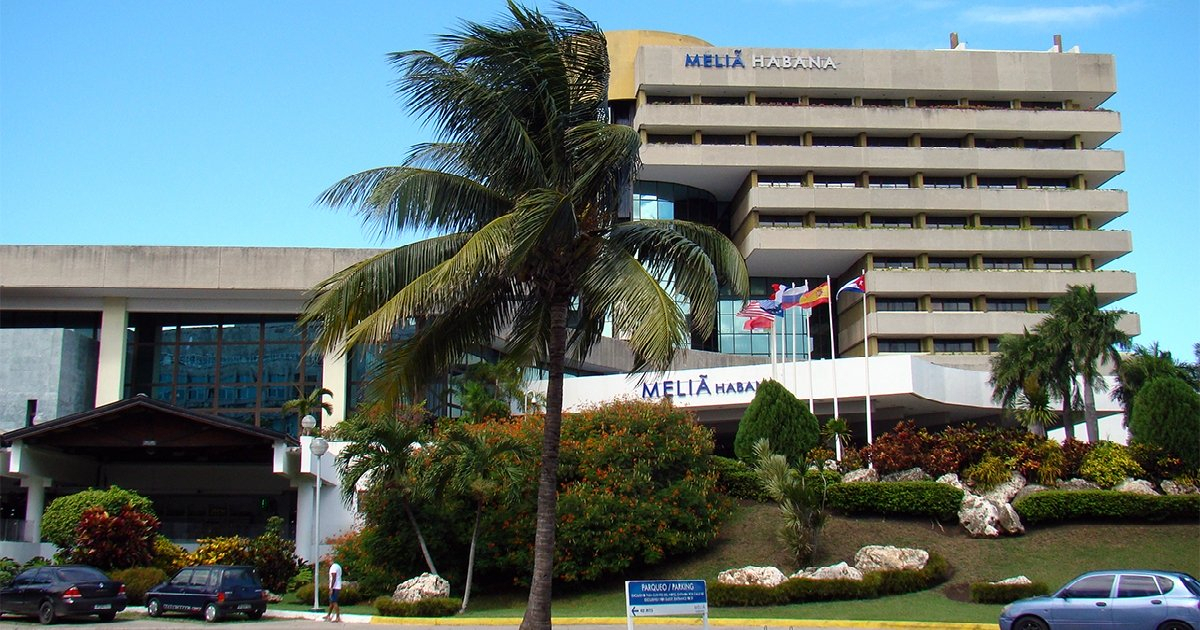
EFE reports that Meliá and Iberostar have recently closed five hotels and that NH has exited Havana.
Meliá attributed the closure of three of its 35 hotels —operated under management contracts— to occupancy levels and the need to adjust to supply limitations.
Airlines: adjustments due to fuel shortage
The fuel crisis also affected aviation. EFE reports that Cuban authorities informed airlines, via a NOTAM, about the shortage of fuel at the nine airports in the country, prompting companies from Canada and Russia to suspend flights.
In the case of the Spanish airlines Iberia, Air Europa, and World 2 Fly, the agency states that they chose to maintain connections but to make a stop on the return leg from Havana to Madrid to refuel in Santo Domingo.
The report states that more than 50% of investment projects in Cuba come from the EU, and that Spain is a prominent investor in tourism, light industry, financial services, the food industry, and cement, among others.
The delicate financial situation makes securing payments crucial: the Spanish Ministry of Economy warns of significant defaults since the end of 2015 and advises to "be very cautious," a view shared by the business leaders consulted by EFE.
In terms of trade figures, Spain's exposure in Cuba is limited: exports account for 0.18% of the total, and between January and November 2025, Spain recorded a surplus of 534 million; it exported 636 million (13.1% year-on-year decrease) and imported 102 million (0.6% increase), mainly cigars and rum.
Filed under: