
Related videos:
Iran confirmed this Sunday that on Tuesday it will resume in Geneva a second round of negotiations with the United States regarding its nuclear program, at a time of heightened diplomatic and military tension in the Middle East.
In an interview with the British broadcaster BBC, reported by EFE, the information was announced by Iranian Deputy Foreign Minister Majid Takht-Ravanchi, who warned that the initiative now depends on Washington's political will, and emphasized that Tehran will not give up uranium enrichment without clear conditions, while demanding a substantial lifting of U.S. sanctions.
"If an agreement is desired, we must focus on the nuclear issue," stated the diplomat, who ruled out the possibility of zero enrichment in Iran, as demanded by U.S. authorities. Nevertheless, he reiterated that Tehran is willing to "consider commitments" regarding its nuclear program, provided that Washington also discusses the lifting of sanctions.
Nuclear Non-Proliferation Treaty
Tehran considers that a complete suspension of uranium enrichment constitutes a “red line” and a violation of its rights under the Treaty on the Non-Proliferation of Nuclear Weapons (NPT).
When asked about the possibility of exporting the more than 400 kilograms of uranium enriched to 60%, nearly 90% of what is needed for military use, Takht-Ravanchi responded: "It is still too early to say what will happen during the negotiations."
Days before, the head of the Atomic Energy Organization of Iran (AEOI), Mohammad Eslami, stated that Tehran could dilute that material if the United States lifts all the sanctions imposed on the country.
Takht-Ravanchi also reiterated Iran's opposition to including its ballistic missile program in the discussions.
"When we were attacked by the Israelis and Americans (during the 12-day war in June), it was our missiles that helped us; how can we accept being deprived of our defensive capability?" he stated.
Trump sends second aircraft carrier to the Middle East
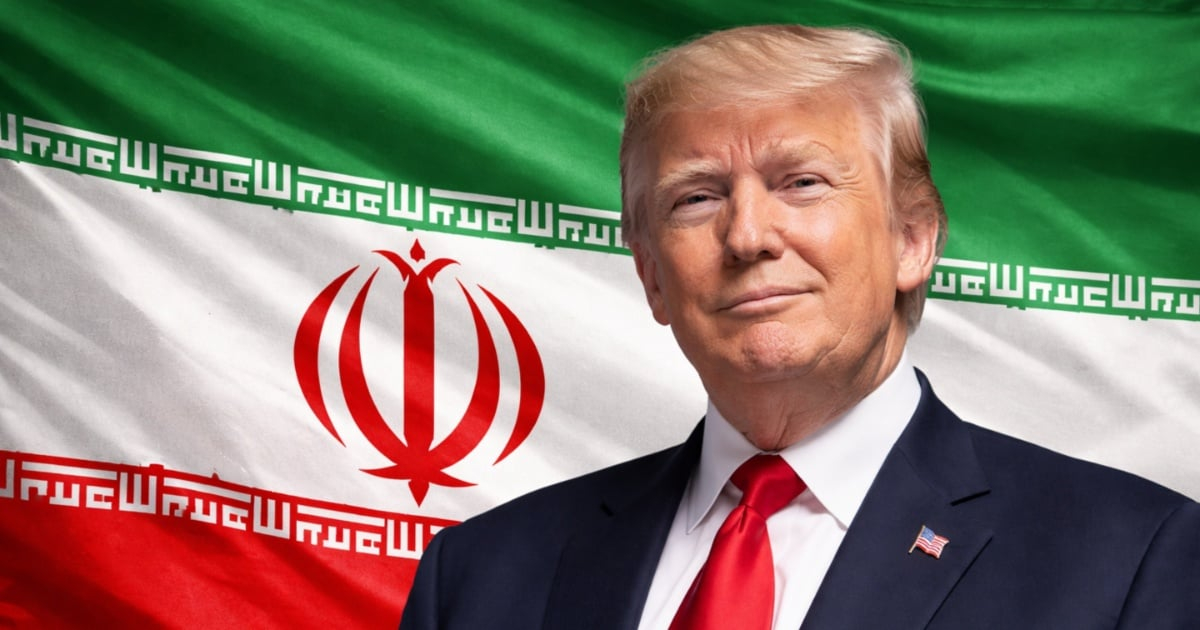
These statements come after U.S. President Donald Trump asserted on Friday that a regime change in Iran would be “the best thing that could happen,” and reported the deployment of a second aircraft carrier to the Middle East as a pressure tactic against Tehran.
Trump has reiterated that he prefers an agreement through diplomatic means, although he has threatened military actions if it is not achieved.
In light of these tensions, Iran and the United States resumed indirect negotiations on February 6, mediated by Oman, marking their first meeting since the 12-day war between Tehran and Tel Aviv, during which Washington participated by bombing Iranian nuclear facilities.
Both parties described the meeting as "good" and agreed to a new meeting soon, despite differences regarding Iran's missile program and Tehran's support for regional groups such as Hezbollah or Hamas.
Iran proposes economic benefits for the U.S.
Iran has also proposed economic benefits for the United States as part of a potential nuclear agreement, according to statements made this Sunday by the Deputy Foreign Minister and member of the negotiating team, Hamid Ghanbari.
"To ensure that an agreement is sustainable, the United States must benefit from high-performing and quickly-returning Iranian economic sectors," he stated, as reported by the Fars agency.
The diplomat explained that the negotiations include common interests in areas such as oil and gas, mining investments, and even the purchase of American planes by Iran.
Additionally, he stressed that the Iranian assets frozen abroad will also be part of the agreement, and that their release "must be real and usable, not merely symbolic or temporary."
Filed under: