
Related videos:
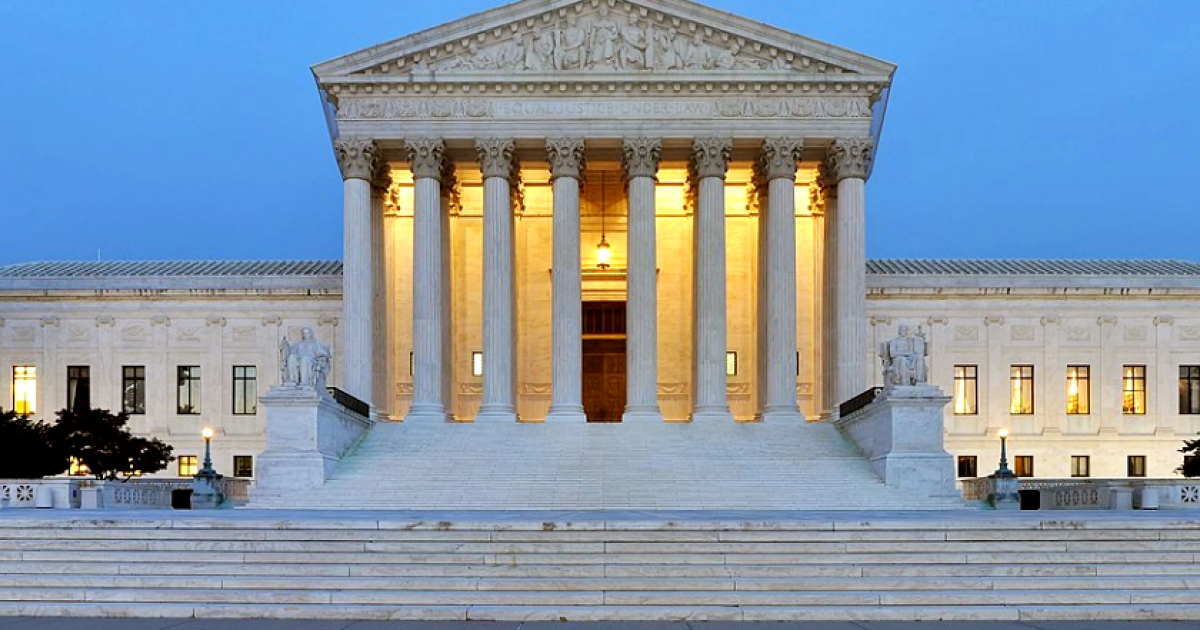
Next week, the future of some of the largest cruise lines in the world will rest in the hands of the Supreme Court of the United States. What is at stake is not just a legal dispute that has been ongoing since the Cold War, but millions of dollars, the extent of the embargo, and the message that Washington will send to any company that does business with properties confiscated in Cuba.
On Monday, February 23, the judges will hear the arguments in the case Havana Docks Corp. v. Royal Caribbean Cruises Ltd. This lawsuit could redefine the cost of operating in the island. At the heart of the controversy is the Havana Cruise Terminal, a facility whose concession belonged to an American company before being confiscated by the Cuban government in 1960.
Decades later, during the thaw initiated by the Obama administration, thousands of American tourists began arriving in Cuba on cruises, with companies like Royal Caribbean, Norwegian, Carnival, and MSC utilizing that port from 2016 to 2019. They now face the accusation of having "trafficked" in confiscated property, in violation of the Title III of the Helms-Burton Act.
That title allows U.S. citizens and companies to sue entities that benefit from property expropriated by the Cuban regime after 1959. Although the provision was approved in 1996, it remained suspended by successive administrations until 2019, when the then Secretary of State fully activated the mechanism, opening the door for lawsuits such as that of Havana Docks.
In 2022, a federal judge in Miami ruled against the cruise lines and issued judgments exceeding 100 million dollars. However, the 11th Circuit Court of Appeals overturned that decision, stating that the original concession for the port had expired in 2004, meaning there was no existing right during the period when the cruises operated in Havana.
Now the Supreme Court will have to decide whether the right to sue is linked to the claim certified by the confiscation or to the formal duration of the original concession. The difference is crucial. A favorable ruling for Havana Docks would not only reactivate the multimillion-dollar claims against shipping companies but could also open the door to thousands of similar lawsuits.
The State Department has estimated that there are at least 200,000 potential claims related to confiscated properties in Cuba. For the business sector, the message would be clear, as doing business on the island could pose a massive financial risk, even years later.
The Trump administration has taken a strong stance in the case. Attorney General D. John Sauer requested to personally participate in the oral arguments before the Court, a request that was granted. The federal government's direct involvement underscores the political and strategic dimensions of the litigation, which go beyond the companies involved.
Congress members from both parties, including several representatives from Florida, have argued that the right to sue is a central pillar of U.S. policy toward Cuba and a tool to apply economic pressure on the regime. They maintain that allowing foreign or American companies to benefit from confiscated properties undermines that policy.
On the other hand, travel industry associations warn that an adverse ruling would create legal uncertainty and call into question the validity of the guidelines issued by the executive branch regarding legal travel to Cuba. They argue that the sector acted in accordance with federal regulations in effect at that time and that changing the rules retroactively would severely impact the U.S. tourism industry.
The case does not come alone. On the same day, the judges will also hear arguments in another lawsuit related to the Helms-Burton Act, this time involving Exxon Mobil and CUPET, the Cuban state-owned company. Although different in its nature, the process reinforces the idea that the highest court is preparing to review the actual scope of one of the most controversial legal tools of the embargo.
For Cuba, the economic impact could be felt beyond the courts. If the Court broadens the scope of claims under Title III, any international company interested in investing, operating, or partnering with entities linked to confiscated properties would have to reconsider its risks. At a time when the island is facing a deep economic crisis, the outcome could further intensify financial isolation.
The Supreme Court's decision will not only impact giants of the maritime tourism industry. It will also set a precedent regarding the extent of responsibility for those who conducted business in Cuba during the brief period when cruises returned to Havana. For many Cubans, both on the island and abroad, the ruling could become another pivotal chapter in the long history of economic tensions between the two countries.
Filed under: