
Related videos:
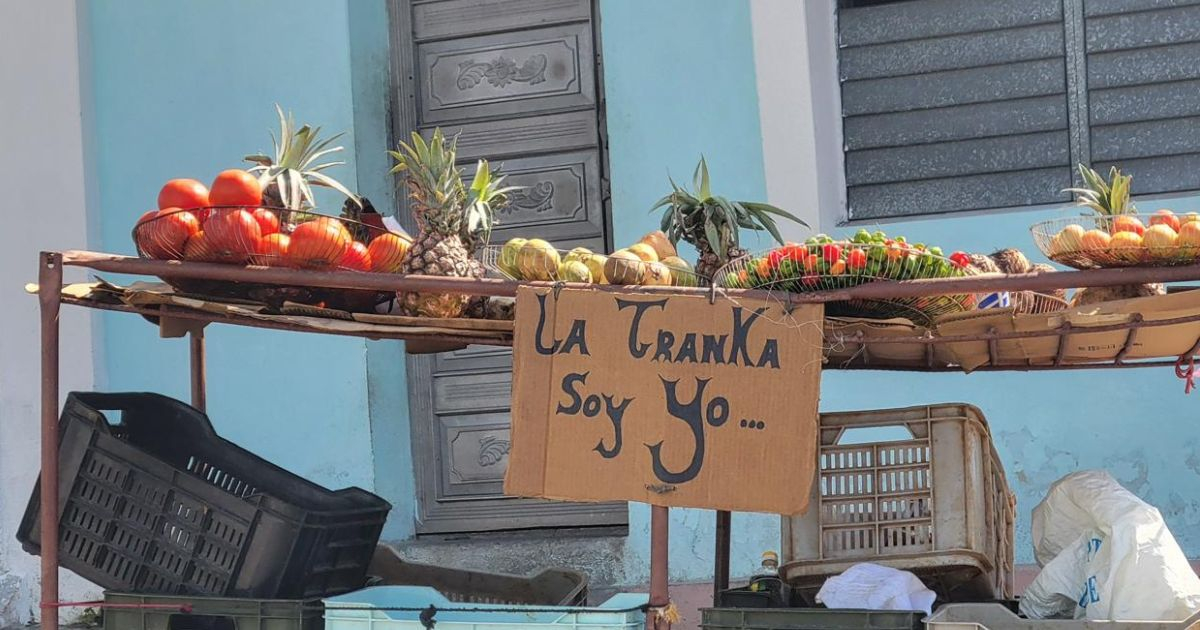
To say that in Cuba, a country with a rich tradition in fruit cultivation and favorable climatic conditions for agriculture, this type of food is now a luxury may seem like a far-fetched statement. However, that is the reality highlighted by the organization Food Monitor Program (FMP).
In a post on the social media platform X, the entity –which monitors food security in Cuba– warned that the fruit has become an inaccessible good due to scarcity, high prices, and the structural deficit of the food system.
According to what was stated, access to basic food in the island is already a daily survival problem amidst the economic, social, and health crisis.
FMP indicated that low agricultural productivity, lack of supplies, logistical limitations, and the absence of effective incentives continue to weaken the food system.
This is compounded by inflation and the loss of purchasing power of salaries and state pensions.
Among the data shared, the organization compared prices with average incomes.
A pound of tangerines can reach 1,300 Cuban pesos, which amounts to more than half of an estimated monthly pension of 2,192 CUP.
A pineapple, priced at around 600 CUP, represents more than a quarter of that pension. Even fruits like papaya, costing about 555 CUP for three pounds, significantly impact the average state salary, which is calculated at 6,506 CUP.
The report warns that critical shortages and high prices particularly affect children and the elderly, highlighting the gap between income and the real cost of a healthy diet.
It also emphasizes that the deterioration of the hygiene and epidemiology system, along with the lack of fruits and micronutrients, exacerbates food insecurity on the island, in a context marked by precariousness and the weakening of national production.
Filed under: