
Related videos:
A tense exchange took place during a visit by a Chilean minister to an area severely affected by recent wildfires in the southern country.
The meeting aimed to inform affected families about how to access state aid and to provide an overview of the operations deployed by the government in the affected areas.
However, from the beginning, the authorities faced the discontent of residents who questioned the slow delivery of housing solutions and emergency assistance. According to a report from Chilevisión, the animosity was evident and led to a heated verbal exchange with one of the residents.
The most tense moment occurred when a local resident, visibly upset, demanded a specific date for the arrival of emergency housing announced by the government.
In the absence of concrete answers, the man criticized the bureaucracy in the country: "People are left out, sleeping on the ground; a billion pesos were sent to Cuba, and here we are, starving and freezing."
The dialogue came to an end when the neighbor left the place.
The background: humanitarian aid to Cuba
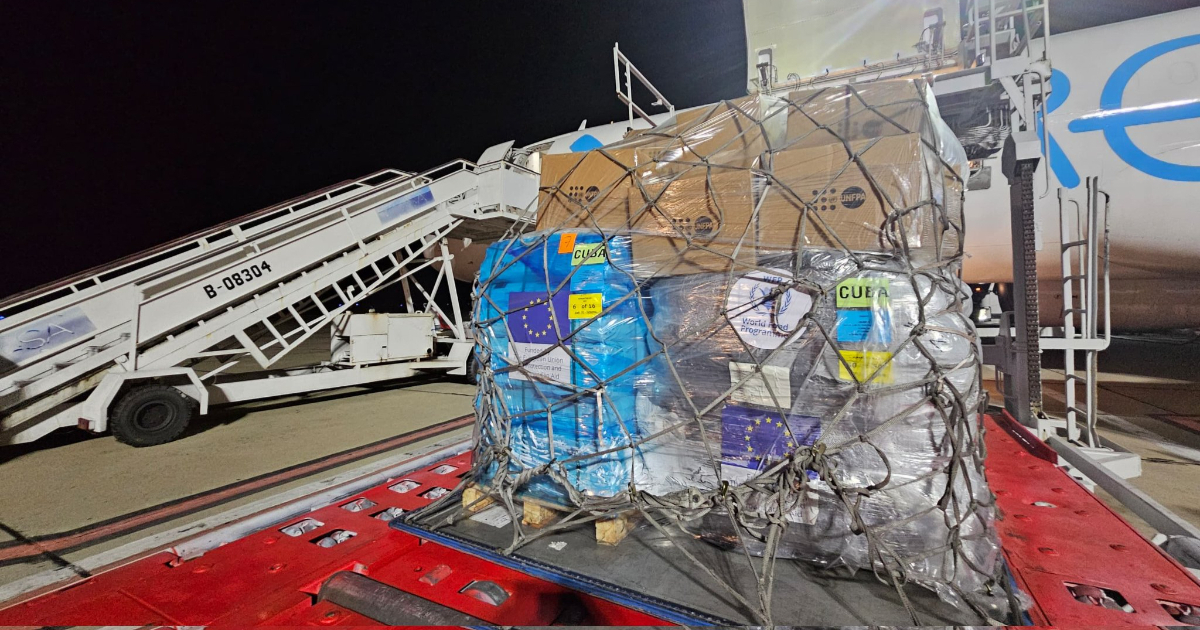
The complaint referred to the decision of the Chilean government to allocate 1 million dollars -862 million Chilean pesos- in humanitarian aid for Cuba, amid the energy and fuel crisis affecting the island.
Chancellor Alberto van Klaveren confirmed last week the contribution and emphasized that it does not imply political support for the Cuban government. He specified that the assistance will be channeled through UNICEF and not given directly to the authorities in Havana.
"It is humanitarian aid to UNICEF, not to the Government of Cuba..." stated the minister after the latest cabinet meeting, in response to criticisms from opposition sectors who questioned the use of public resources abroad while there are urgent internal needs.
According to the explanation, the funds will be allocated to a program aimed at "safeguarding essential lifesaving services for children," with an emphasis on health, nutrition, and child protection.
The funding will come from the Chile Fund Against Hunger and Poverty, managed by AGCID in partnership with UNDP.
Van Klaveren argued that "the most practical" approach is to make a monetary contribution with accountability, recalling that Chile has a tradition of humanitarian cooperation in scenarios such as Ukraine, Gaza, and hurricanes in Central America and the Caribbean.
He also described the situation in Cuba as "dramatic" due to the "enormous shortages" in the energy sector and their impact on daily life.
In response to political criticism, he was emphatic: "We do not finance dictatorial regimes; we provide assistance through international humanitarian organizations."
For his part, President Gabriel Boric described the United States' embargo against Cuba as "criminal" while announcing the delivery of aid.
In a message, he stated that the U.S. measure is "an assault on the human rights of an entire people." Although he acknowledged political differences with Havana, he asserted that "nothing justifies the harm being inflicted on children and innocent citizens."
On that same day, Boric sent a letter to Pope Leo XIV requesting his intervention in the humanitarian crisis on the Island, characterized by issues of supply, energy, and the functioning of basic services.
In the letter, he expressed concern about the deterioration of living conditions in Cuba, including difficulties related to food, hospitals, transportation, and electricity.
Open debate amid the emergency
The episode in Penco highlighted the tension between the Chilean government's humanitarian foreign policy and the perception of a segment of the citizens affected by the fires, who demand swift and concrete responses to the loss of homes and possessions.
While the Executive insists that aid to Cuba is strictly humanitarian and focused on children, neighbors in disaster-stricken areas question the priority of public spending abroad at a time when they are facing urgent shortages.
The exchange captured by cameras reflects this discontent and opens a broader debate on how to balance international solidarity with internal demands in contexts of national emergency.
Filed under: