
Related videos:
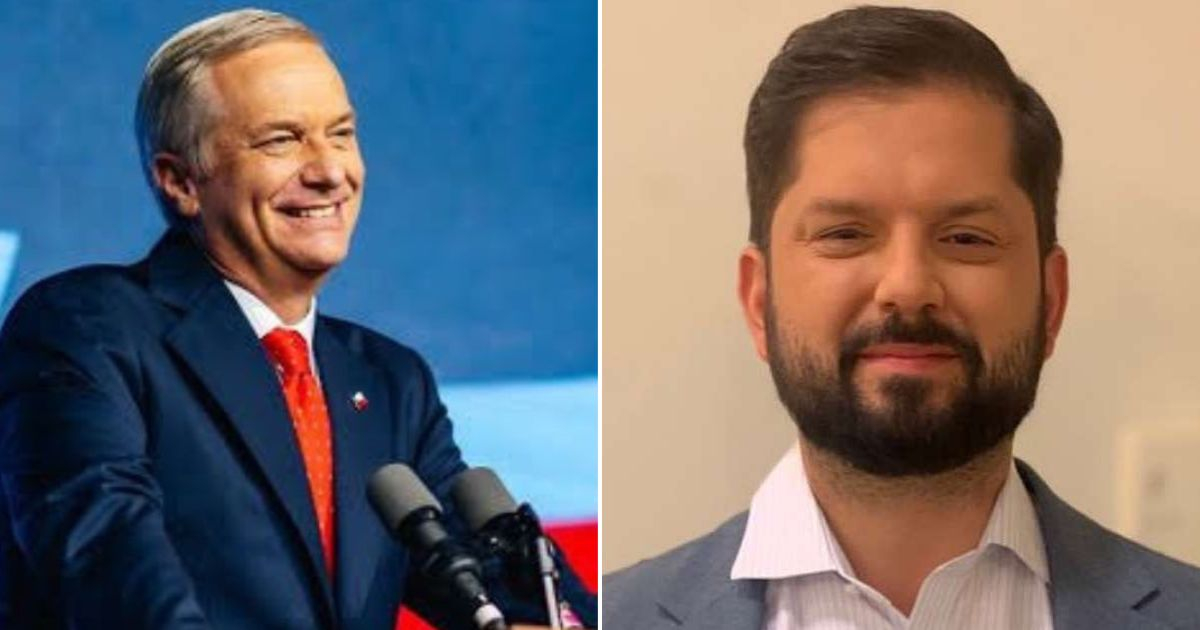
The elected president of Chile, José Antonio Kast, expressed his disagreement with the decision of Gabriel Boric's government to send humanitarian aid to Cuba, arguing that this support ultimately benefits a regime that he describes as a dictatorship.
The statements came after the outgoing administration announced the allocation of one million dollars to the island through the Chile Fund against Hunger and Poverty, resources that will be channeled through UNICEF in light of the energy and supply crisis facing the Caribbean country, reported EFE.
“I do not agree with providing direct financial assistance to a government that has engendered a dictatorship for over 60 years and has placed the Cuban people in a very disadvantaged, inhumane situation,” Kast stated at his first public event after the summer recess, regarding Boric’s decision to send humanitarian aid to Cuba just days before leaving the presidency.
The elected president, who will take office on March 11, stated that any humanitarian aid should be conditioned on democratic requirements.
In his opinion, the main blockade that Cuba faces is not external, but rather the lack of economic and political freedoms within its own system.
From the government, Foreign Minister Alberto Van Klaveren defended the measure and stated that the funds are not directed toward the Cuban government or the Communist Party, but will be managed by international organizations.
It also recalled that the same fund has been used to support Ukraine, Gaza, and Cuba after previous natural disasters.
The Chilean decision comes amid a severe energy crisis on the island, characterized by record blackouts, fuel shortages, and limitations on access to food and medicine, a situation that has prompted other countries in the region, such as Mexico and Brazil, to send support.
The issue has generated political tensions in Chile, where the relationship with Cuba has historically been sensitive.
Boric, who will leave office on March 11, has evolved in his stance toward the Cuban regime, which he has referred to as a dictatorship in recent years, a position that has unsettled some sectors of the Chilean Communist Party that are part of his coalition.
Kast will assume the presidency that same day and is already starting to distinguish his foreign policy from that of his predecessor, particularly regarding relations with Havana.
Recently, the Government of Chile announced that it would send humanitarian aid to Cuba amid the profound energy crisis the island is experiencing due to the sanctions imposed by the United States on countries that supply it with oil.
Chancellor Alberto van Klaveren announced at a press conference that Chile is committed to providing humanitarian assistance to the Cuban people through the Chile Fund Against Hunger and Poverty.
The minister described the situation on the island as a "humanitarian drama" and indicated that the final amount of the contribution would be detailed in the coming hours, to be channeled through multilateral organizations and United Nations programs.
After the announcement, Gabriel Boric once again placed Cuba at the center of the regional political debate by labeling the United States embargo as “criminal” and announcing the dispatch of humanitarian aid to the island amidst the severe energy crisis affecting millions of Cubans.
“The blockade that the United States has imposed on Cuba and has intensified in recent weeks is criminal and an affront to the human rights of an entire people,” the leader wrote on his official X account.
Although he acknowledged that there may be political differences with Havana, he maintained that “nothing justifies the harm being done to children, girls, and innocent citizens.”
Filed under: