
Related videos:
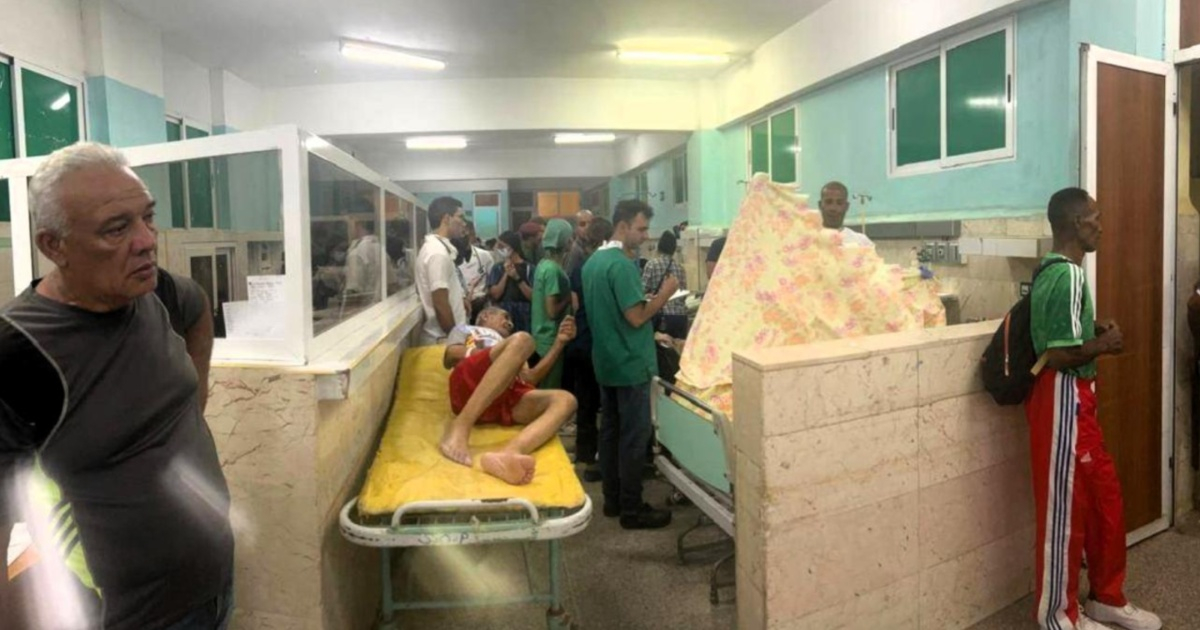
The Minister of Public Health of Cuba, José Ángel Portal Miranda, stated to the agency The Associated Press (AP) that the weakened health system of the country has been brought “to the brink of collapse” by the US blockade on oil supplies, in a context where the crisis —as he described— not only hits the economy but also threatens “basic human security” and “could put lives at risk.”
The warning comes when, according to Portal, 5 million people with chronic illnesses will be affected in terms of medications or treatments, including 16,000 cancer patients who require radiation therapy and another 12,400 who receive chemotherapy.
In an interview with AP, Portal described an accelerated deterioration “in recent weeks”: ambulances struggling to obtain fuel and respond to emergencies, persistent blackouts affecting dilapidated hospitals, and the suspension of flights that transported vital supplies, due to the Cuban government stating that it can no longer refuel airplanes at its airports.
Portal listed the services that were particularly affected as cardiovascular care, orthopedics, oncology, and the treatment of critically ill patients who rely on electrical support.
It also included the treatment of kidney diseases and emergency ambulance services among the areas under the greatest pressure.
The Cuban Ministry of Health itself reported disruptions in essential services, including maternal and child care, cancer treatment, and hemodialysis, amid the fuel shortage.
The energy crisis entered a more acute phase last month when U.S. President Donald Trump signed an executive order imposing a tariff on any country that sells or supplies oil to Cuba.
The Cuban regime implemented an emergency plan that left healthcare and transportation "operating at minimal services," and among the new measures, small business owners were allowed to independently manage the importation and purchase of fuel.
A system already in crisis: scarcity and medical exodus
The Cuban healthcare system had been suffering for years from a lack of supplies, personnel, and medications, with a significant decline following the COVID-19 pandemic.
In that scenario, thousands of doctors have emigrated, and hospitals have rapidly deteriorated, while the shortage is pushing many citizens to buy medications on the black market.
Portal stated that the government is trying to "adapt" by installing solar panels in clinics and prioritizing care for children and the elderly, but admitted there are restrictions on technologies that are more energy-dependent—such as CT scans and laboratory tests—forcing doctors to rely on more basic methods and leaving many without access to higher levels of care.
The healthcare system is operating under emergency conditions, in an environment of service cuts and surgeries due to blackouts, fuel shortages, scarcity of supplies, and an exodus of healthcare personnel.
Filed under: