
Related videos:
Cuban leader Miguel Díaz-Canel asserted this Saturday that the Government acted swiftly in response to the increase in mosquito-borne diseases during his remarks at the XI Plenary of the Central Committee of the Communist Party of Cuba, held via videoconference from the Palace of the Revolution.
His defense, published in the state-run newspaper Granma, comes amid a health crisis that, according to alternative reports, has had a much more severe impact than acknowledged by the authorities.
During the intervention, Díaz-Canel stated that once alerts were raised due to the increase in cases, measures were taken in the most affected areas, such as Matanzas, where, he said, the epidemic transitioned to a state of relative normality “in a matter of weeks.”
However, she admitted that in the initial moments there were failures in the health response, due to an initial focus on dengue and the emergence of chikungunya, which, in her assessment, facilitated the faster spread of the new virus. She also acknowledged limitations in resources and internal organizational issues.
The reference to the control of arboviruses, a technical term that encompasses diseases such as dengue and chikungunya, was also mentioned by the Minister of Public Health, José Ángel Portal Miranda, who explained that the simultaneous circulation of both viruses poses a complex epidemiological challenge for the healthcare system.
Real epidemiological crisis, minimalist official narrative
According to official data, 47 people have died from arbovirosis, with a rising number of deaths in recent days, and a high percentage of the fatalities being children or adolescents.
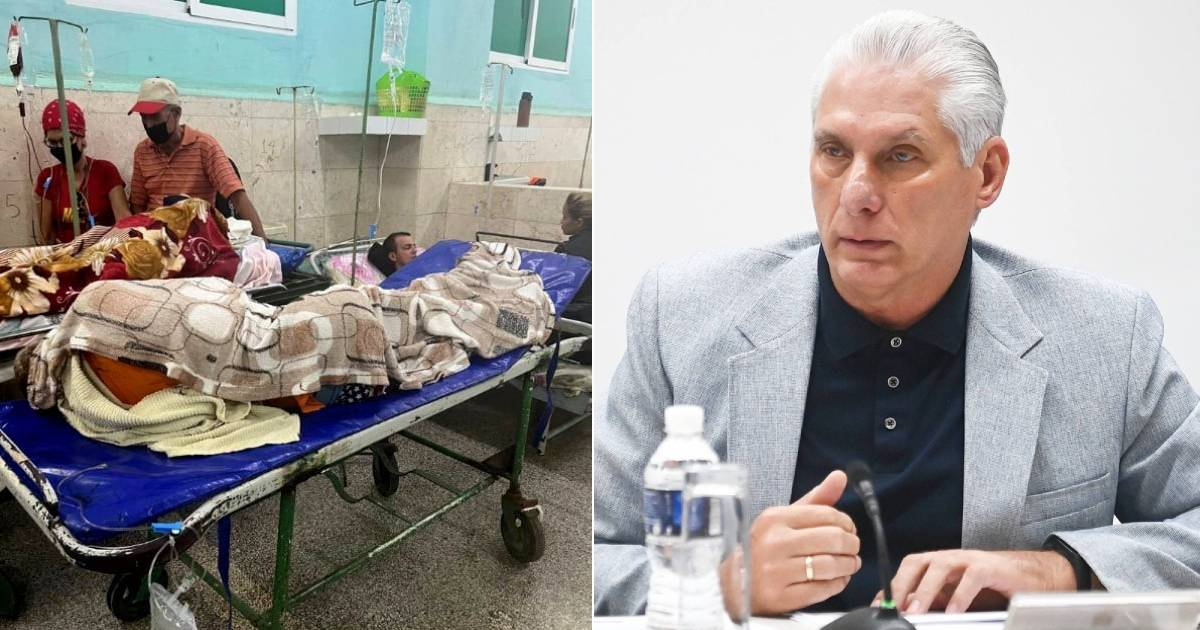
Moreover, it has been documented that dozens of minors remain in critical condition or in intensive care due to dengue and chikungunya, while hospitals in several provinces are facing shortages of supplies, diagnostics, and medical personnel, even to address severe cases.
The outbreak began in Matanzas, where Minister Portal Miranda denied any fatalities, referred to the complaints as "rumors," and claimed that everything was "under control," despite reports of a health system collapse, shortages of medication, and overcrowded hospitals.
Days later, an expert from IPK emphasized that the epidemic “will pass” and that it will soon be “history to tell,” words that outraged thousands of patients unable to rise from pain or care for their children.
Civil society organizations and specialists describe the situation as an overwhelming health crisis, where the lack of official transparency prevents understanding the true magnitude of the outbreak and its consequences on the population.
For this reason, beyond the official statements about specific actions, analysts point out that the epidemic has been exacerbated by structural problems within the healthcare system, the economic crisis, shortages of food and medicine, and the inadequacy of effective programs to control the transmitting mosquito, due to shortages of fuel, chemicals, and equipment.
Filed under: