
Related videos:
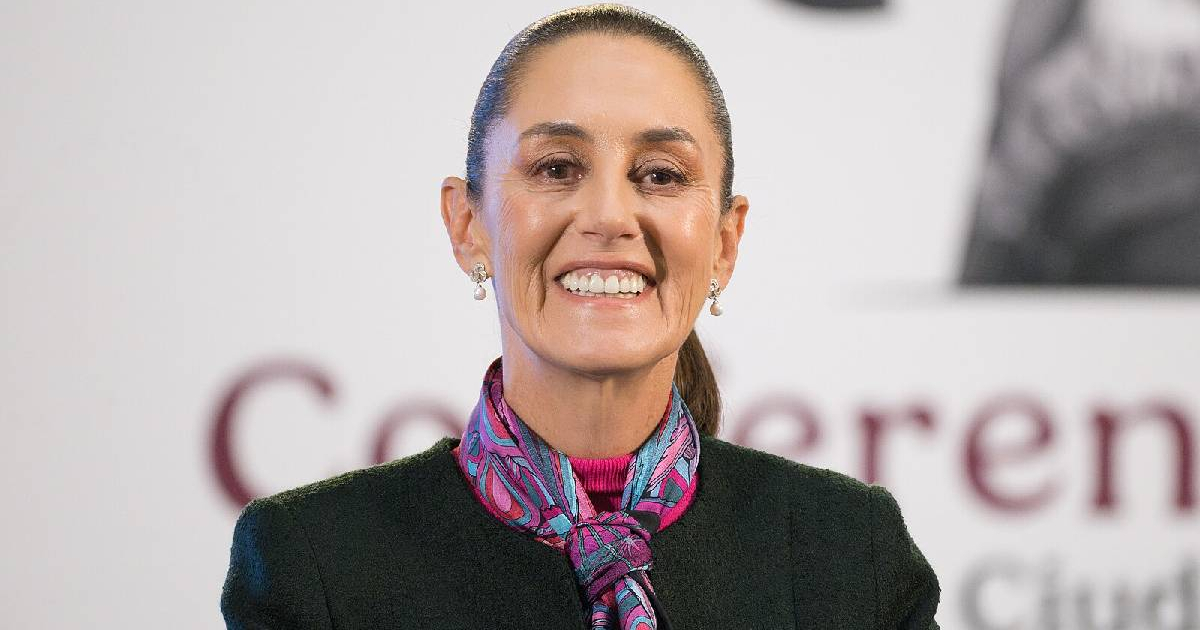
After the death during a military operation of Nemesio Oseguera Cervantes, alias ‘El Mencho’, leader of the Jalisco New Generation Cartel (CJNG), which triggered violent events in several areas on Sunday, the president of Mexico, Claudia Sheinbaum, stated on Monday that the country is experiencing “more tranquility.”
"Today there is more tranquility and there is a Government, there are Armed Forces. There is a security cabinet and there is a lot of coordination," the leader stated during her morning press conference, in which she assured that the "peace, security, and normality in the country are being safeguarded," EFE reported.
Violence in at least 16 states
The government's reaction came after a day marked by roadblocks, vehicle burnings, and armed confrontations in various regions of the country.
Authorities activated an extraordinary security scheme involving the Army, the National Guard, and state forces, especially in Jalisco and nearby states.
According to official reports, blockades and disturbances were registered in at least 16 states, including Puebla, Querétaro, State of Mexico, Veracruz, Oaxaca, and Chiapas. Flights were also canceled, particularly in Jalisco.
National Command Center
Sheinbaum explained that, following the operation, the federal government established a national command center to coordinate actions with state authorities.
"A command center is maintained, a national coordination where secretaries and their teams, as well as the Ministry of the Interior, are present to coordinate with all the state governments," he stated.
The president thanked the collaboration of the state governments and emphasized the performance of the Armed Forces.
"Mexico has extraordinary Armed Forces," he affirmed, acknowledging the work of the Army, the National Guard, and the Air Force.
Context of international pressure
The death of 'El Mencho' occurs in a context of increasing pressure from Washington against Mexican cartels, which the United States declared as "terrorist" organizations last year.
The U.S. government was offering up to 15 million dollars for information leading to the capture or conviction of the leader of the CJNG, an organization identified as one of the main contributors to the trafficking of fentanyl into U.S. territory.
Under the leadership of Oseguera Cervantes, the CJNG expanded its presence in multiple Mexican states and consolidated international drug trafficking routes, making it one of the most wanted criminals in the region.
Filed under: