
Related videos:
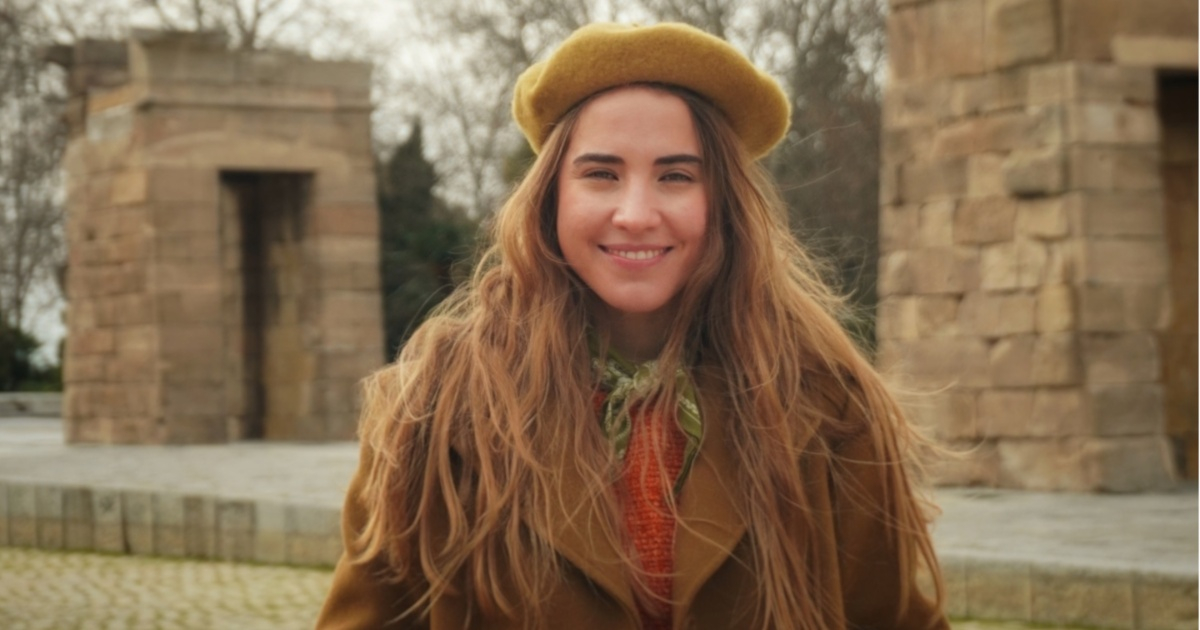
Cuban doctor Malia Llovet has been working in Spain for six months as a physician in a retirement home, where she claims to be in charge of "about 140 elderly residents," and warns that the center operates as a "home, not a hospital," so when a situation is beyond her control, it must be referred to the hospital.
The young woman shared her experience with the media The Huffington Post, where she explained that she arrived in the country and is practicing thanks to a PAC visa.
According to the account, one of the ideas that recurs most in her routine is the difference between a residence and a hospital.
“Many times what is not understood… is that this is a home,” he states, adding that there is “a doctor for a set number of hours,” so there “you can do what can be done in a home”; if the case exceeds those possibilities, the patient is transferred to a hospital.
Malia describes that her mornings typically go by relatively calmly, but the work changes when an urgent situation arises: “It’s not always a peaceful consultation... Sometimes there are emergencies that... cannot wait for the long line that is there,” she explains.
The doctor acknowledges that at first, she felt fear because she had never worked with this type of patients: “At the beginning, I was a little afraid because I had never worked with this population before,” she recounts.
As the months go by, he says he attends to numerous residents, whom he sees frequently. In his personal assessment, he emphasizes the bond that is formed through daily contact: “You become quite fond of them, you see them every day; it’s not like when you’re in a clinic.”
The emotional impact: "something fatal could happen"
Among the most challenging aspects of her work, Malia mentions the emotional burden associated with aging and death: she finds it difficult to "know that your patients have fewer years left to live" and admits that the thought that "at some point something tragic could happen" saddens her, although she understands that it is part of the profession and that over time one learns to manage it and "normalize it."
The young woman adds that, at the end of her day, she returns home, and her routine includes an hour of travel each way on public transport between her residence and the workplace.
Despite the demands, Malia emphasizes the positive: she asserts that what drives her the most is “the affection I receive daily from my patients,” feeling “very loved,” and the daily interactions with diverse personalities, ranging from “grumpy” residents to others who are very independent.
He also notes that he finds it striking that they greet him as "metge" (doctor in Valencian), something he describes as his "best medicine."
Filed under: