
Related videos:
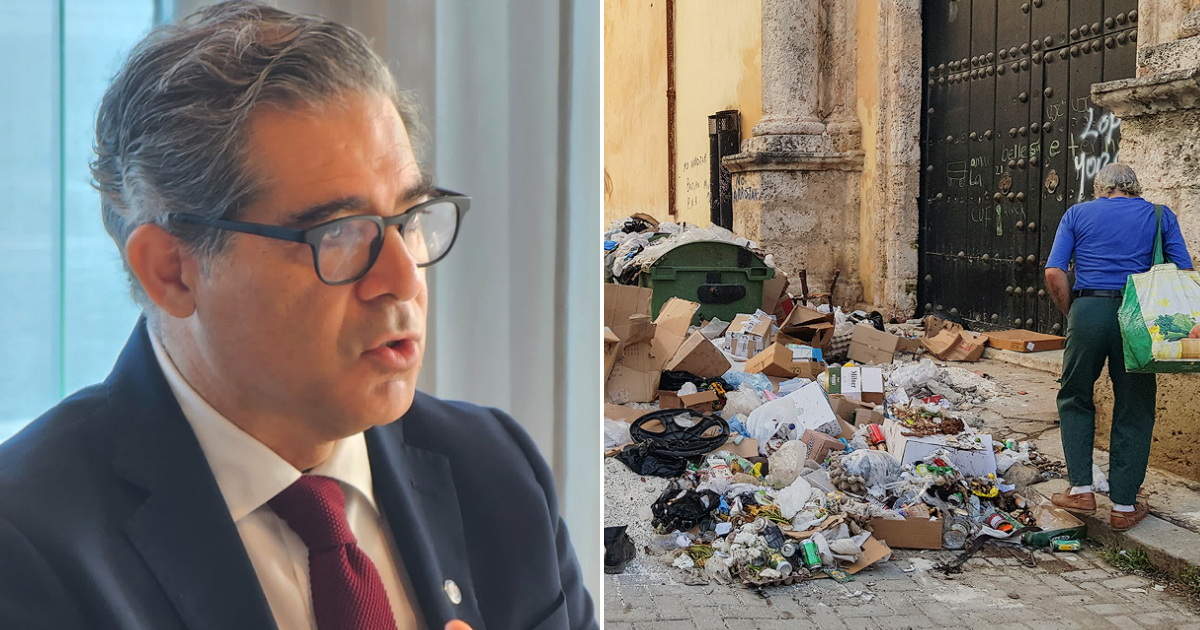
The UN resident coordinator in Cuba, Francisco Pichón, requested a "humanitarian exception" to allow the shipment of oil and aid to the Island amid the worsening energy crisis and its effects on the population, as warned on February 26 .
During a press conference in New York, where he spoke via video call from Havana, Pichón warned that the humanitarian situation is deteriorating as fuel shortages worsen, nearly a month after Washington took measures to block the entry of oil supplies to the Caribbean nation.
The official cited the rising risks to healthcare, water services, and food distribution, and warned that there is a "concern that the crisis could deepen," with power outages creating "acute humanitarian risks" for the most vulnerable communities.
"The risk to people's lives is not rhetorical; it is ordinary people, especially the most vulnerable, who suffer first and most," he stated.
In that context, he emphasized: “Our capabilities would be limited unless there is a humanitarian exception for oil and aid.”
According to the presented data, Cuba depends on oil for more than 90% of its energy needs. The country produces heavy crude oil intended for electricity generation, but in limited quantities. Additionally, it faces a 30% deficit to meet the minimum necessary and there are ongoing questions about its refining capacity.
The energy crisis directly impacts the vulnerable population. Five million people live with chronic illnesses, including thousands of cancer patients who require ongoing oncological care and more than 32,000 pregnant women. Close to one million people—around 10% of the population—obtain their drinking water from water trucks, while 84% of pumping equipment relies on electricity.
Food security is also "deteriorating," with disruptions affecting the entire supply chain, in a scenario that was already strained by "multiple impacts," including Hurricane Melissa in October, which affected more than 2.2 million people.
According to a report by EFE, Pichón stated: "It is necessary to negotiate a humanitarian exception for oil with the U.S. I understand that efforts are being made in that direction."
"It is the only way to prevent a humanitarian crisis with more serious consequences," he added.
The resident coordinator noted that, nearly a month after President Donald Trump's executive order to intensify the fuel blockade against Cuba, the situation has shifted from a "temporary" shortage to a "systematic" problem that has become "the main multiplier of humanitarian risks."
Pichón also lamented that, despite the opposition from the United States Supreme Court to the tariffs announced against countries that send oil to Cuba, the national emergency remains in effect, which in his opinion "provides a broader legal framework for imposing additional sanctions on countries that supply oil to Cuba."
In recent weeks, UN Secretary-General António Guterres has expressed concern over the energy deterioration and has called for dialogue in light of the crisis affecting basic services and daily life on the Island, amidst prolonged blackouts and fuel shortages.
At the beginning of February, the UN warned of a possible humanitarian "collapse" if the country's oil needs are not met, while the Cuban government acknowledged an "acute fuel shortage" and is preparing for "more difficult times" following the interruption of shipments from Venezuela.
Filed under: