
Related videos:
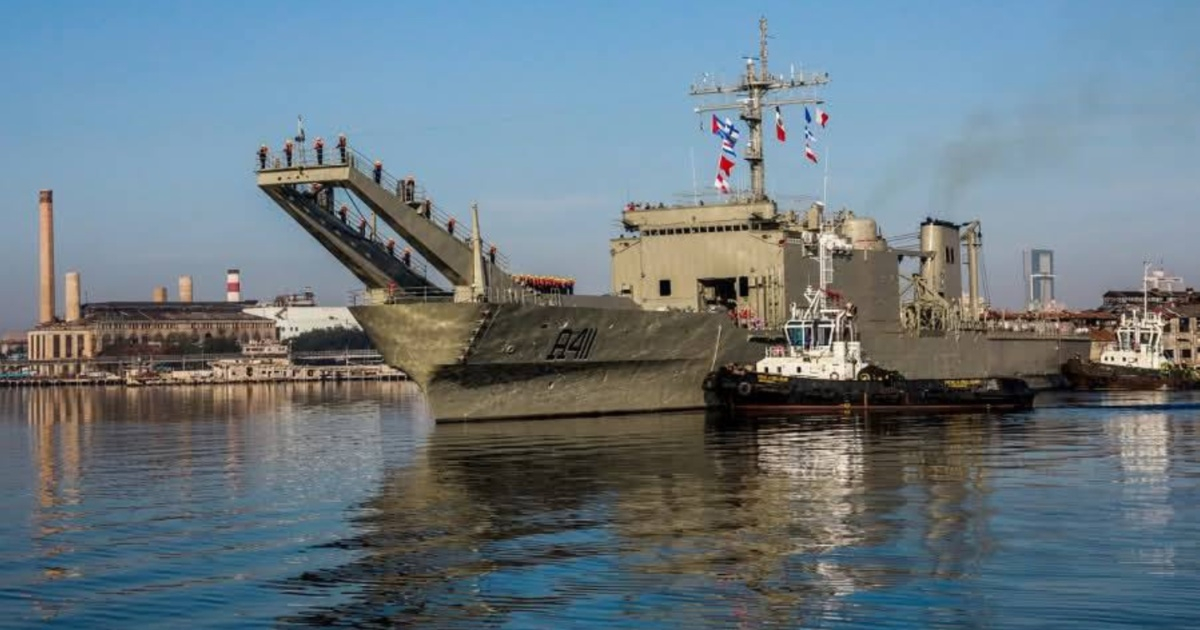
The ships Papaloapan and Huasteco of the Mexican Navy arrived in Havana this Saturday with a new shipment of solidarity aid for Cuba.
According to reports from the regime's social media, the shipment (a total of 1,193 tons) mainly consists of food and various supplies.
The arrival was publicly welcomed by the Deputy Minister of the Cuban Foreign Ministry, Josefina Vidal Ferreiro, who framed it within the response announced by Mexico in a context that Havana describes as complex due to the tightening of the economic blockade and the energy persecution attributed to the United States.
According to a statement from the Ministry of Foreign Affairs (SRE) of Mexico, both vessels set sail from the port of Veracruz on Tuesday.
Among the essential goods transported by the ship ARM Papaloapan are beans and powdered milk, totaling 1,078 tons.
The cargo of the ship ARM Huasteco consists of 92 tons of beans and 23 tons of assorted food.
"These 23 tons of humanitarian aid were delivered by various social organizations with the support of the Government of Mexico City at the collection center established in the Historic Center, and this corresponds to a first delivery," stated the government of Mexico.
Previously, two ships carrying a total of 800 tons of humanitarian aid from Mexico had already arrived in Cuba, as part of strengthening the ties of solidarity between both governments in response to the challenges facing the island.
On February 8, 2026, two ships from the Mexican Navy departed from the port of Veracruz bound for Cuba, loaded with over 814 tons of humanitarian aid.
According to the Mexican Ministry of Foreign Affairs (SRE), the shipment included essential food items such as liquid milk, powdered milk, rice, beans, sardines, tuna, and vegetable oil, as well as personal hygiene products.
After the donation arrived in Havana, the Ministry of Domestic Trade (MINCIN) stated that the products would be distributed primarily to children aged 0 to 13, people over 65 years old, and pregnant women, as well as underweight and undersized minors, in provinces such as Artemisa, Havana, and Mayabeque, as well as in the special municipality of Isla de la Juventud.
However, citizen criticism regarding the criteria for the distribution of the donation began to proliferate on social media.
In Mayabeque, where the distribution of 43 tons of food—including rice, sardines, cookies, and canned fruit—was reported, numerous Cubans questioned why the aid was limited to certain vulnerable groups.
Comments like “And what about the rest of the people, don’t they eat?” reflected the discontent of families who, despite facing the same economic and food crisis, were excluded from the benefit.
The reactions highlighted the tension between official announcements and citizens' perceptions regarding the actual impact of donations, in a context marked by prolonged blackouts, inflation, and difficulties in accessing basic goods.
Filed under: