
Related videos:
The Cuban regime announced that it will allow Cuban citizens residing abroad to invest in and own businesses in Cuba, in an effort to attract capital and alleviate the deep economic crisis the country is experiencing.
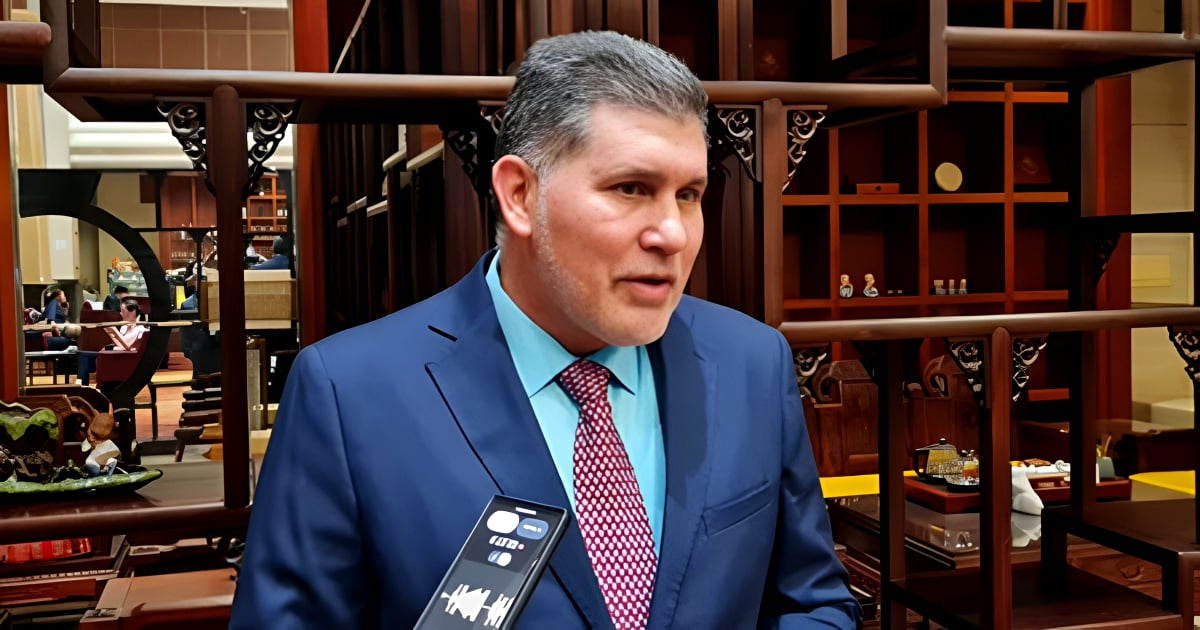
In an interview granted to NBC News, the deputy prime minister and minister of Foreign Trade and Foreign Investment, Oscar Pérez-Oliva Fraga, confirmed that Havana aims to create opportunities for both American companies and Cubans living abroad, particularly in the United States.
"Cuba is open to maintaining a fluid commercial relationship with American companies and also with Cubans residing in the United States and their descendants," the official stated in Havana.
His statements come before formally announcing the measure on the island, in an appearance scheduled on National Television for this Monday, specifically on the Mesa Redonda.
The initiative would allow Cubans living abroad to invest in the private sector and become business owners in their home country.
The government hopes that this opening will boost sectors such as tourism, mining, industrial repair, and the modernization of the deteriorated electrical grid.
Pérez-Oliva Fraga assured that the reforms aim to create a "dynamic business environment" that will help revitalize an economy hit by fuel shortages, widespread blackouts, and a sustained decline in production.
The official attributed the economic difficulties to the "blockade" by the United States, which he blamed for restricting Cuba's access to financing, technology, and international markets.
The announcement comes amid a severe energy crisis. Cuban leader Miguel Díaz-Canel recently acknowledged that no fuel shipments have arrived in the country in the past three months.
The energy situation worsened following the interruption of oil shipments from Venezuela after the capture of former leader Nicolás Maduro in January during a U.S. operation.
The economic and energy crisis has also led to an increase in social unrest, with protests occurring in various cities. These were particularly pronounced in Morón, where participants threw stones at a Communist Party headquarters and set fire to some furniture in the street.
This Friday, Díaz-Canel confirmed that Cuban officials are in talks with the administration of President Donald Trump, who has warned that the regime could face increased pressure if it does not move towards economic and political changes.
The announcement of opening up to foreign investments is interpreted as one of the latest moves by Havana to try to sustain an increasingly weakened economy and seek new sources of capital.
Filed under: