
Related videos:
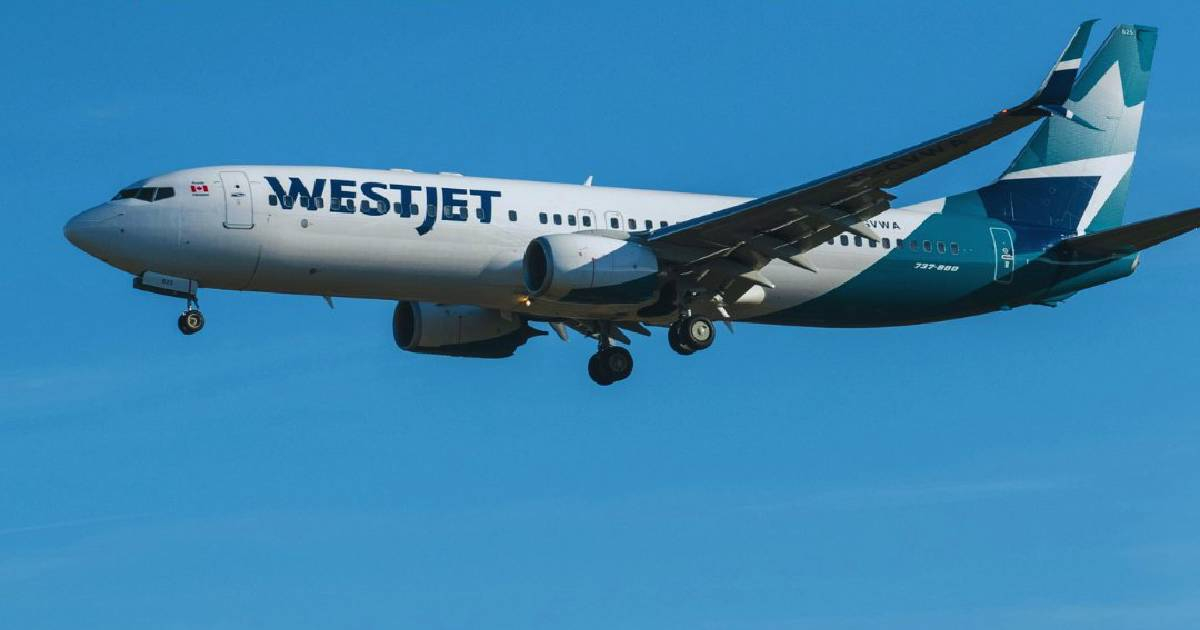
Canadian airlines WestJet and Air Transat have extended the suspension of their flights to Cuba, marking another blow to the already struggling tourism sector of the island, which is affected by a severe fuel crisis and widespread blackouts.
According to CTV News, WestJet reported that most of its flights to Cuba will remain canceled until October, although two of its vacation package divisions expect to resume operations in June. Meanwhile, Air Transat announced that it plans to resume its flights on June 20, offering refunds to affected passengers.
The decision comes after weeks of instability on the island, where a critical fuel deficit has caused disruptions in basic services, including a recent nationwide blackout.
Since February, the major Canadian airlines —including Air Canada, WestJet, and Air Transat— have been progressively canceling their operations to Cuba due to the lack of aviation fuel at the airports. Air Canada, in particular, has suspended its flights until November.
The impact is significant: Canada is the leading source of tourists to Cuba, with over 750,000 visitors in 2025. Only Air Transat relies on the island for approximately 8% of its winter flight volume, which also highlights the importance of this destination in the Canadian tourism industry.
Both airlines, which transport over half a million passengers annually between Canada and Cuba, also confirmed that they will reduce the capacity of their routes to the island during the summer, reflecting the ongoing operational uncertainty.
Although the Cuban government attributes the energy crisis to the U.S. oil embargo and the pressures from the Trump administration on countries that supply fuel to the island, the reality highlights structural problems that have accumulated over the years.
On the ground, scarcity is evident: closed gas stations, long lines —even virtual ones through apps— and a notable reduction in transportation on the streets.
Direct blow to tourism
The suspension of flights from Canada represents another severe setback for one of the few sources of foreign currency that still sustain the Cuban economy.
At its peak, tourism generated more than 3 billion dollars annually. Today, the industry operates well below those levels, impacted by the internal crisis, poor management, and the loss of trust from international travelers.
Meanwhile, the combination of power outages, fuel shortages, and flight cancellations continues to deepen Cuba's isolation and exacerbate the already fragile economic situation in the country.
Filed under: