
Related videos:
The major Canadian airlines have suspended their flights to Cuba due to the growing fuel crisis on the island, exacerbated by the U.S. oil blockade.
Air Canada, WestJet, and Air Transat announced at different times on Monday that they will temporarily suspend their operations to the Caribbean country, citing a lack of availability of aviation fuel at Cuban airports.
The three airlines indicated that they are already working on repatriation plans to bring back Canadian travelers currently in Cuban territory.
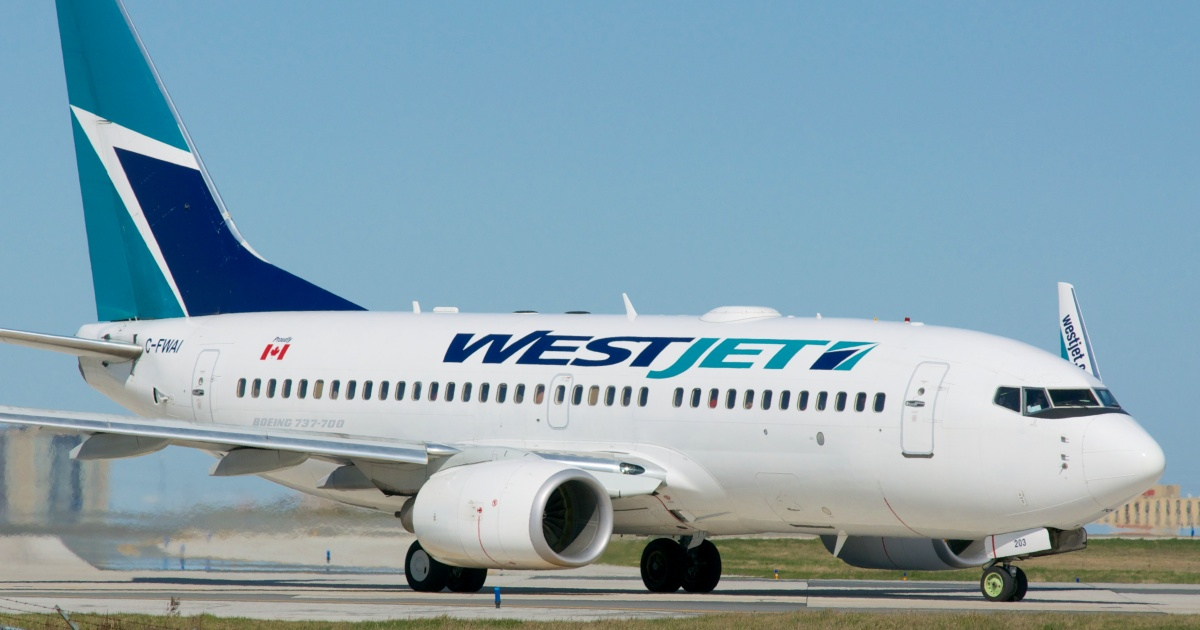
WestJet: Change in its decision and total cancellation of operations to Cuba
Initially, WestJet had indicated that it would continue operating its scheduled flights. However, the airline later corrected itself on Monday and announced the total suspension of its services to Cuba, including the cancellation of sales and planned trips.
The measure affects not only WestJet but also its associated brands: Sunwing Vacations, WestJet Vacations, and Vacances WestJet Québec.
"All flights will carry enough fuel to ensure a safe departure without relying on the local availability of fuel," the airline reported on its website, while stating that there are no safety concerns for passengers who remain on the island.
The company implemented flexible policies for changing plans without penalties.
Air Transat: Flights canceled until April 30
Air Transat was the last to announce changes, after initially maintaining its schedule.
On Monday evening, it officially announced that it will suspend all flights to Cuba until April 30.
"We are currently organizing a plan for returning to Canada, which includes regular flights as well as additional repatriation flights," the company stated on its website.
Reservations with departures between Wednesday and April 30 will be automatically canceled, and full refunds will be issued to the affected customers.
Air Canada: immediate suspension and plan to repatriate 3,000 Canadians
Air Canada was the first to take action.
In an official statement, he explained that his decision is due to government notices warning about the "lack of reliability of aviation fuel supply at Cuban airports."
"The company stated that starting from February 10, aviation fuel will not be commercially available at the island's airports."
In response, the airline will send empty planes south to repatriate approximately 3,000 Canadian tourists who are in Cuba.
Additionally, it canceled all seasonal winter flights to Cuba and suspended its regular routes "until further notice," with a possible resumption on May 1, subject to review.
For the return flights, Air Canada assured that its aircraft will carry additional fuel and will make technical stops for refueling if necessary, in order to complete the return journey without relying on local supplies.
Air Canada Vacations, the tourism division, has implemented refund policies and reservation change policies without penalties.
Why is there a fuel shortage in Cuba?
The crisis was anticipated by a Notice to Airmen (NOTAM) issued on Sunday night, which warned international airlines that fuel supplies would remain restricted until at least March 11.
The root of the problem lies in the tightening of the U.S. oil blockade.
The administration of President Donald Trump has intensified sanctions, preventing the arrival of Venezuelan oil and threatening to impose tariffs on countries that supply oil to Cuba.
Trump has stated that the island "will no longer receive oil from Venezuela" and that his goal is to pressure the Cuban government to concede in the negotiations.
In mid-December, Cuba stopped receiving crude oil from its main ally, Venezuela, and since then the country has had to rely almost exclusively on Mexican exports.
Canada updates its travel advisory
The Canadian government updated its travel advisory for Cuba on February 4, urging citizens to "exercise a high degree of caution" due to shortages of electricity, fuel, food, water, and medication.
"The situation is unpredictable and could deteriorate, impacting flight availability in a short time," warned Global Affairs Canada.
Reactions in the tourism sector
The interruption of Canadian flights represents a significant blow to Cuban tourism, which heavily relies on the Canadian market. In 2025, over 750,000 Canadians traveled to Cuba, making the country its leading source of foreign tourists.
Martin Firestone, president of Travel Secure Inc., advised travelers to purchase cancellation or interruption insurance due to the current uncertainty:
"I receive many calls from people asking, 'Can I cancel my trip to Cuba?' and the answer is yes, you can still do so at this moment."
Moscou Côté, president of the Quebec Association of Travel Agents, stated that Canadian tour operators have decades of experience with Cuba:
"It is important to understand that operators such as Transat, Air Canada, and Sunwing have been working with Cuba for over 30 years. They are accustomed to this type of operational issues."
However, he acknowledged that this situation is exceptional even by the island's standards
"In the coming days, we will have a clear idea of how the situation is being handled and what to expect. So I think it would be a good idea to wait a couple of days, just to make sure everything is resolved properly."
Another blow to Cuban tourism
The aviation fuel crisis directly impacts one of the few sources of income that still sustain the Cuban economy.
At its peak, tourism contributed over 3 billion dollars annually; today, that figure has collapsed.
Additionally, reports on social media and local media indicate that gas stations are closed, there are fewer vehicles on the road, and Cubans must turn to mobile applications to join virtual queues in search of fuel.
Filed under: