
Related videos:
The Chinese embassy in Cuba released a new statement on Monday in support of Havana, demanding that Washington lift the embargo and promising assistance, while a shipment of over 15,000 tons of rice donated by Beijing arrived on the island.
Zhu Jingyang, the ambassador of China in Colombia, shared the message on the social network X reiterating the diplomatic formula that Beijing has been repeating for months: "China firmly supports Cuba in safeguarding its sovereignty and security and opposes external interference."
The text adds that "China urges the US to immediately cease the blockade and sanctions against Cuba, as well as any form of coercion or pressure," and concludes with the promise to continue providing assistance to Cuba to the best of our abilities and in our own way.
On the same day, an official event presided over by Minister Betsy Díaz Velázquez and Chinese Ambassador Hua Xin received the new shipment of rice, the latest in a series of staggered deliveries that began in January.
The pattern has been repeated with millimeter precision since early 2026: rhetorical statements supporting Cuban sovereignty are accompanied by donations of basic food, while promises of structural investment progress slowly.
At the end of January, President Xi Jinping approved an emergency package that includes 80 million dollars in financial assistance for electrical equipment and 60,000 tons of rice as a donation.
Before that announcement, on January 20, China had already committed to a first program of 30,000 tons of rice as emergency food assistance, from which successive deliveries have been made: 4,800 tons in January, 15,600 tons last Thursday via the ship Loyalty Hong, and the shipment from this Monday.
In February, the Cuban Foreign Minister Bruno Rodríguez Parrilla traveled to Beijing, where Wang Huning promised support for Cuba's "just struggle," and Rodríguez expressed gratitude for the support, insisting that Beijing and Havana are brothers and comrades.
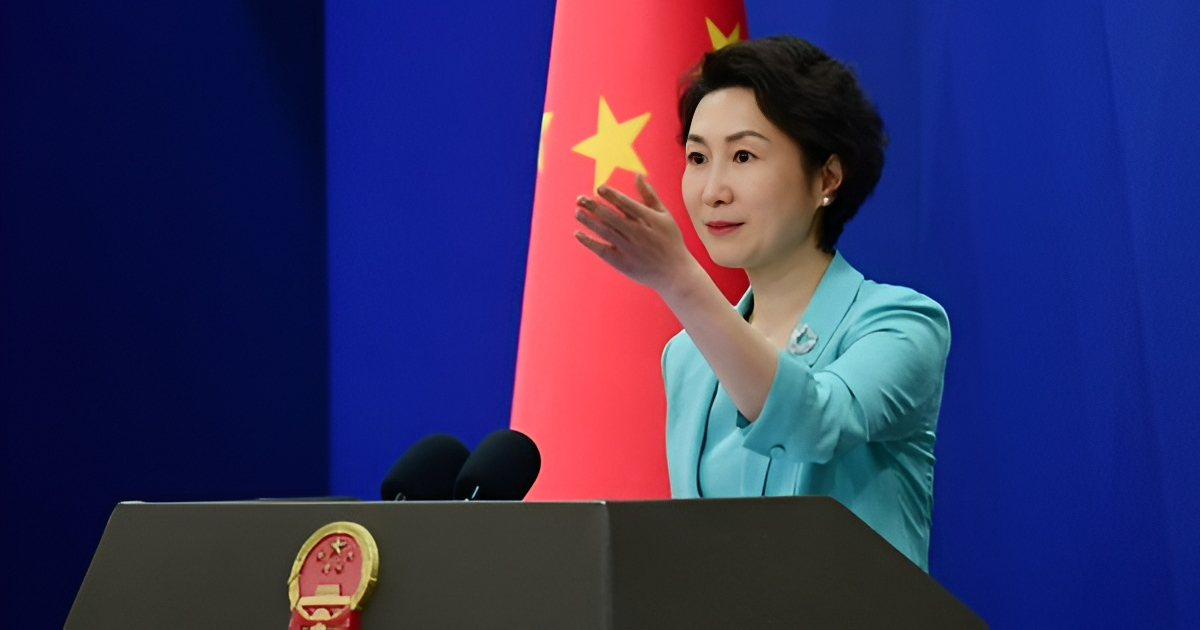
The spokesperson for the Chinese Ministry of Foreign Affairs, Lin Jian reiterated almost identical messages on February 10, March 12, and March 25, demanding each time that Washington lift the embargo that has lasted over sixty years.
The rhetoric contrasts with the magnitude of the crisis that Cuba is experiencing: the GDP has contracted by 23% since 2019, with an additional projected decline of 7.2% in 2026, daily blackouts lasting over twenty hours, and seven out of ten Cubans unable to complete three meals a day.
Cuba's sovereign debt to China amounts to 4.643 billion dollars, according to data from AidData, even though Beijing had already forgiven 6 billion dollars in prior debt in 2011.
Cubans on social media have responded with outrage to the cycle of donations and speeches: "a country cannot survive on handouts" and crumbs after crumbs are recurring expressions that reflect the chasm between the official discourse of brotherhood and the structural dependency on donations of basic food items.
Filed under: