
Related videos:
The Federal Bureau of Investigation (FBI) warned this Tuesday that Cuba maintained the funding of its intelligence services even during the Special Period of the 1990s, when its economy collapsed after losing Soviet subsidies, and that the current economic crisis on the island will not change that pattern.
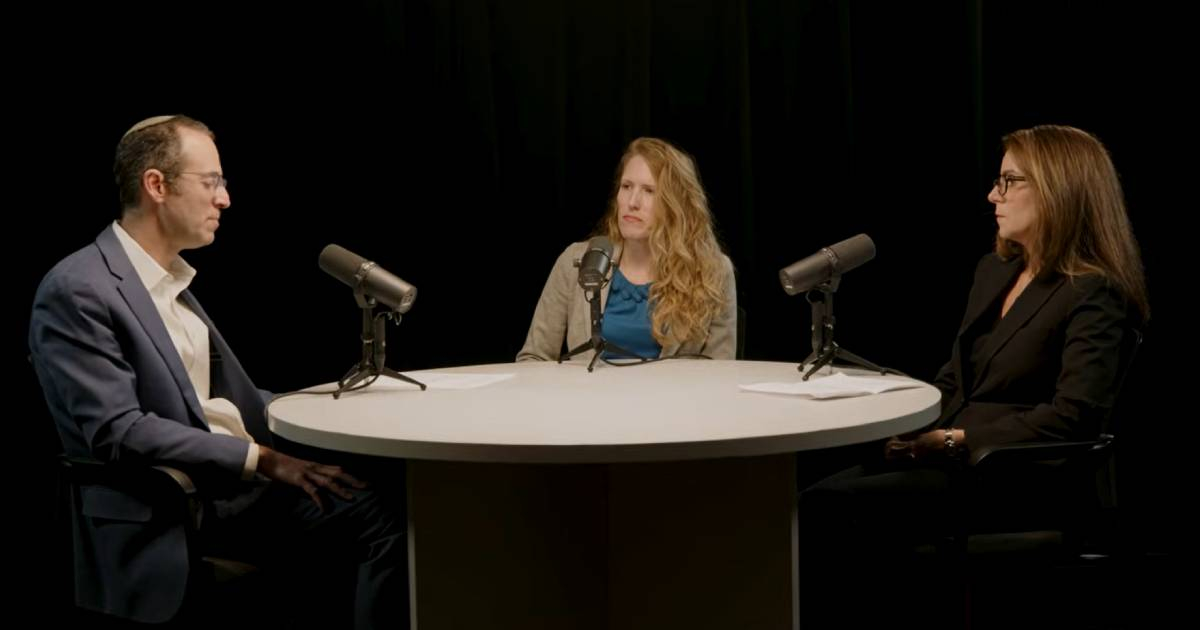
The warning comes from the video titled "Cuba: The Neighborhood Spy", published today on YouTube by the department itself, featuring Josh Obsfeld, Executive Director of External Engagement for the FBI's Counterintelligence and Espionage Division, along with Special Agent Aliza and Senior National Intelligence Analyst Tiffany.
"In the 1990s, they were going through the Special Period. They lost all their Soviet subsidies, yet their intelligence services were still funded," said analyst Tiffany. "Now people are wondering what is happening with Cuba, with its economy, but it's going to be the same."
Later, the analyst explained that Cuba received training and resources from the Soviet Union, including from present-day Russia, and that the regime allocates all its resources to its intelligence services "regardless of what they are going through."
A historical fact outlined in the program supports that claim. Between 1989 and 1993, the Cuban GDP fell by almost 35% following the Soviet collapse, but the General Directorate of Intelligence (DGI) and the Ministry of the Interior (MININT) continued to operate at full capacity. Precisely during that time, in September 1998, the FBI dismantled the largest Cuban espionage network ever discovered in the United States, which had operated during the toughest years of the crisis.
The warning is particularly relevant because Cuba is currently experiencing a new crisis that many compare to the Special Period, or consider worse, with blackouts of up to twenty hours a day and an economic contraction exceeding 11% over five years. A survey from the Food Monitor Program indicates that 80% of Cubans believe that the current crisis is worse than that of the 1990s.
The Pentagon reaffirmed this month that Cuba remains one of the strongest intelligence adversaries of the United States.
The video reviews the major documented cases of Cuban espionage, from Ana Belén Montes, a senior analyst at the Defense Intelligence Agency who was arrested in 2001 and released in January 2023; to Walter Kendall Myers, a Department of State analyst sentenced to life in prison in 2009; and it concludes with Víctor Manuel Rocha, a former ambassador to Bolivia, arrested in December 2023 and sentenced to 15 years in April 2024 for spying for Cuba for over forty years.
The FBI emphasizes that these spies were recruited ideologically, not for money, which makes them practically undetectable. "Typically, they don't receive large sums of money from Cubans," Tiffany explained. "If you only look for people with financial problems, you won't find Cuban spies."
Special agent Aliza summarized the magnitude of the problem: "Cuba has punched well above its weight for a long time. For such a small island, it has truly been a thorn in our side, because they are very good at what they do."
Filed under: