
Related videos:
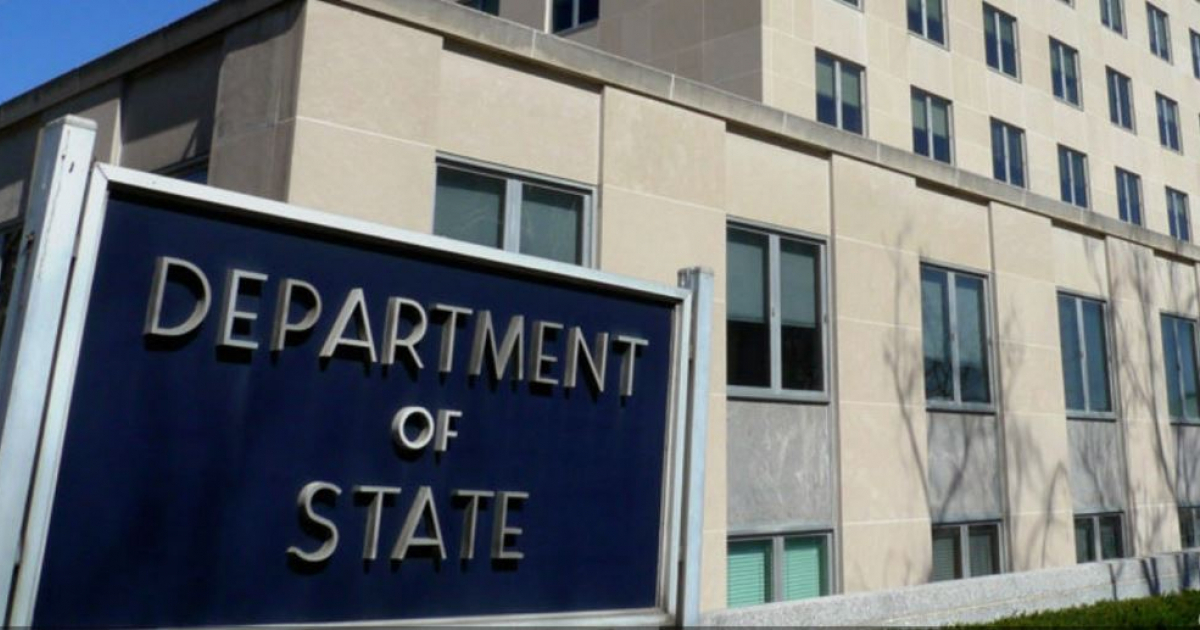
The United States Department of State announced a series of profound reforms to the selection and training process of the Foreign Service, with the stated goal of modernizing the diplomatic corps to meet the challenges of the 21st century under the America First doctrine.
According to the statement, the measures redefine who can become a U.S. diplomat and how they are trained, with a clear shift toward merit, historical knowledge, and international strategy.
One of the most significant changes is the complete review of the entrance exam to the Foreign Service, known as FSOT.
The Department incorporated questions about American history and logical reasoning, while eliminating those designed to assess alignment with the diversity, equity, and inclusion agenda.
The oral exam has also been redesigned to focus on substantive knowledge of foreign policy concepts, diplomatic history, and negotiation skills.
In addition, the use of a written exam was reinstated in place of the Qualifications Evaluation Panel, on the grounds that "the ability to think critically and write clearly remains an essential skill for Foreign Service officers."
The orientation program A-100, which welcomes newly appointed diplomats, has been transformed into what the Department itself described as "a rigorous and comprehensive basic training program."
The new officials will receive content on America First foreign policy, economic strategy, trade diplomacy, and strategic competition.
The mandatory readings of the new program include speeches and writings by George Washington, John Quincy Adams, and James Monroe, selections from the Federalist Papers, and works by George Kennan, Angelo Codevilla, and Samuel Huntington, representatives of strategic realism and classical American nationalism.
The Department also announced that it will reduce barriers to accessing leadership roles, emphasizing merit in the selection process "so that outstanding officers can have leadership opportunities throughout the Department earlier in their careers."
These reforms are framed within Executive Order 14211, signed on February 12, 2025, which requires Foreign Service officers to faithfully implement the president's policies and states that "noncompliance may be grounds for separation."
Filed under: