
Related videos:
The United States Secretary of State, Marco Rubio, is leading a strategic initiative to redefine control over the Strait of Hormuz, one of the most critical points in global energy trade and the primary route for oil exiting the Persian Gulf.
The proposal, promoted by the administration of President Donald Trump, suggests the creation of a multinational consortium to manage maritime traffic through the strait.
The objective is to ensure the free passage of vessels without fees or restrictions, thereby limiting Iran's ability to use this route as a tool for geopolitical pressure.
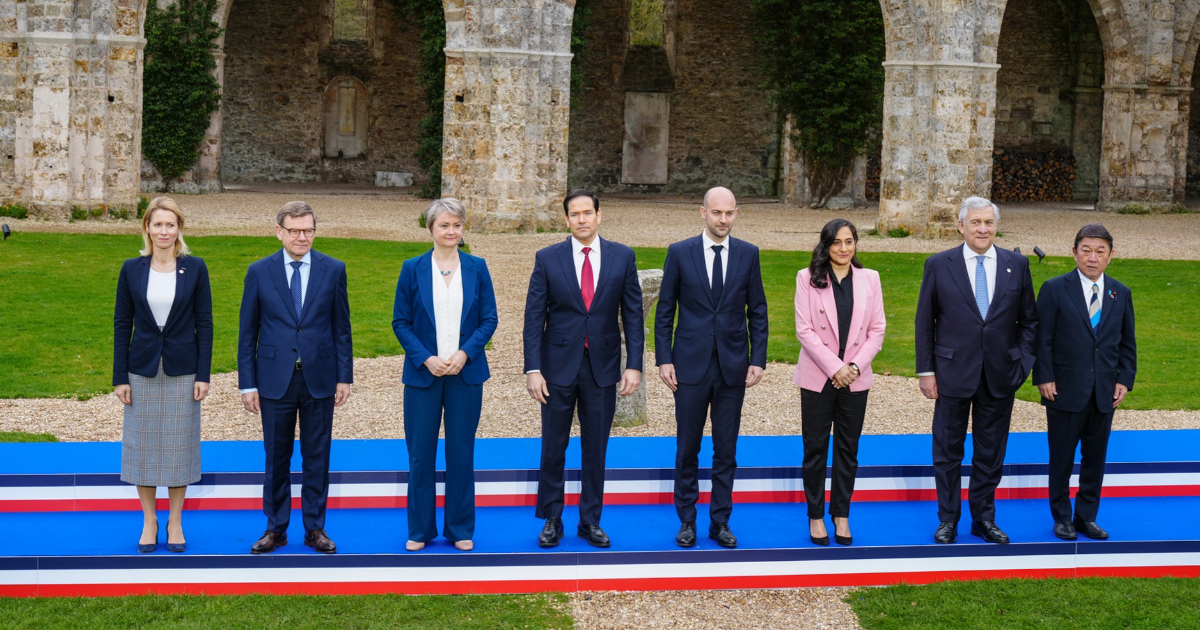
Diplomatic sources cited by The Telegraph indicate that Rubio presented the plan during a recent meeting of G7 foreign ministers. There, he advocated for a model based on "zero tariffs and free movement," in contrast to the indirect control currently exercised by Tehran over this strategic passage.
In parallel, an alternative proposal has emerged, driven by Pakistan along with countries such as Egypt, Turkey, and Saudi Arabia. Although it also involves a multinational consortium, this model includes charging fees to ships, similar to the system applied in the Suez Canal.
According to Reuters, this variant has already been shared with the White House and could be part of ongoing negotiations with Iran. The potential establishment of tariffs is shaping up as a tool to persuade Tehran to yield some of its influence over the strait.
The Strait of Hormuz does not formally belong to a single country, as it lies between the territorial waters of Iran and Oman. However, the Islamic Republic has used its geographical position to threaten blockades during times of high tension, directly affecting global energy markets.
The initiative led by Rubio seeks to precisely neutralize that risk, in a context marked by complex negotiations and warnings from regional actors who believe that some proposals from Washington could be unacceptable to Iran.
The outcome of this diplomatic struggle will be crucial not only for the stability of the Middle East but also for global energy security.
Filed under: