
Related videos:
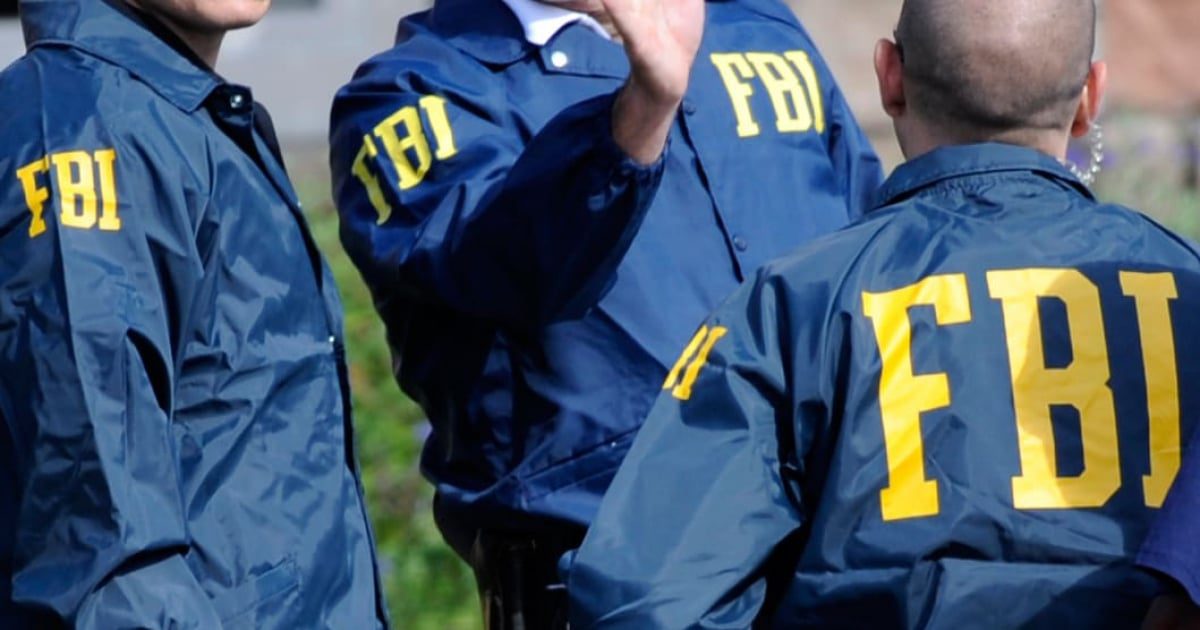
The FBI in Miami issued an official alert on Thursday about scammers posing as federal agents to steal money and personal information from residents of South Florida.
According to Telemundo 51, the warning comes at a particularly sensitive time for thousands of Cubans and migrants from other countries who live in fear of deportations under the Trump administration, a fear that criminals deliberately exploit.
According to the FBI statement, scammers contact their victims via text message, phone call, or email, informing them that they are suspects or victims of fraud investigations.
In some cases, they also impersonate bank employees who allegedly collaborate with FBI agents to collect financial and personal data.
Many of these criminals operate from outside the United States, making them difficult to track, and they use technology to spoof the number from which they are calling, making it appear as a legitimate number from a federal agency.
The boss is especially dangerous for the migrant community.
Criminals have broke into the homes of Hispanic immigrants in Miami, posing as immigration agents, demanding money and threatening deportation.
Victims often do not report out of fear that it will affect their immigration status.
Mike German, former FBI agent, explained clearly: "When real agents are masked and without visible badges, they create the perfect environment for criminals to exploit fear and confusion."
This type of fraud has a huge impact in Florida. According to ICE, the state reported 1,579 cases of impersonating federal agents with estimated losses of over 12 million dollars.
Nationwide, this type of scam resulted in losses of 789 million dollars in 2024, according to the Federal Trade Commission.
The FBI reminds everyone of a fundamental rule: "Federal authorities never ask for money or personal information when contacting victims or suspects of a crime over the internet or by phone."
These are the key recommendations from the authorities:
- Be cautious of unsolicited calls, text messages, and emails.
- If an unknown person pressures you to act immediately or makes statements that don't seem true, cut off all communication and keep the messages as a record.
- Verify any claims on your own, using public contact information from the agency or institution, never the details provided by the supposed agent.
- Be careful when giving money or personal information to someone you didn't initiate contact with.
Anyone with information about possible fraud can call 1-800-CALL-FBI or report the case at ic3.gov.
Filed under: