
Related videos:
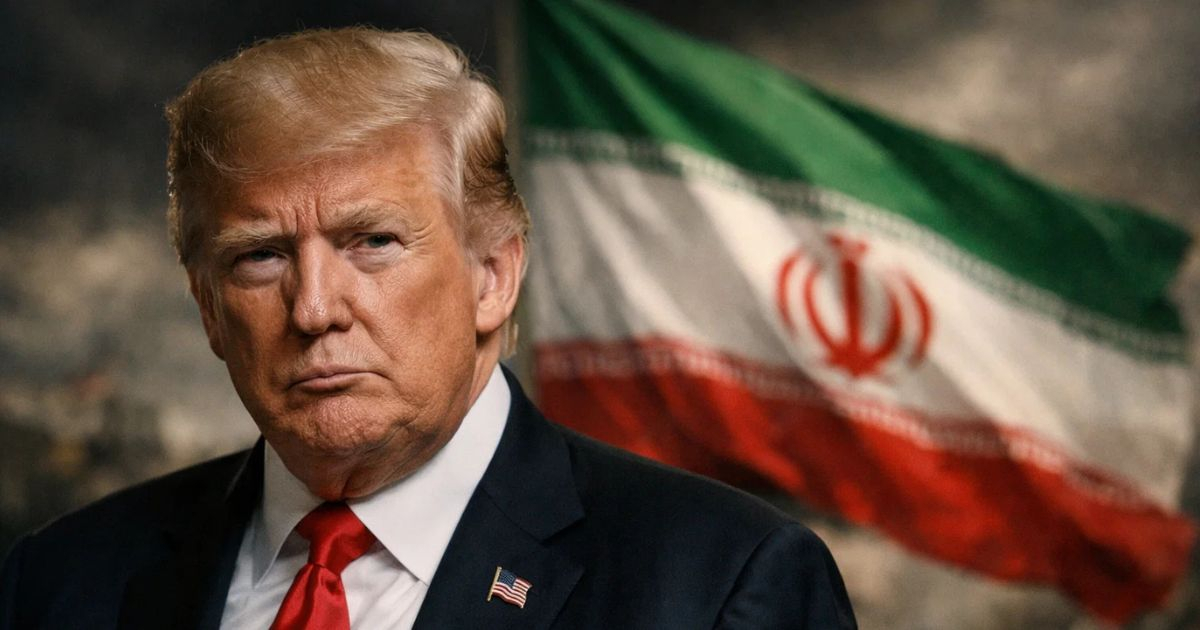
The negotiations between the United States and Iran have entered a critical phase in recent hours, with signals of progress that fail to quell the fear of a greater escalation of the conflict if an agreement is not reached before the deadline set by President Donald Trump.
According to a report by Axios, U.S. and Israeli officials acknowledge that there have been recent advances in negotiations, but they believe it is unlikely that a ceasefire will be reached before the deadline set by Washington.
The atmosphere in the White House has changed rapidly: from questioning whether an agreement was possible, now the urgency revolves around whether it can be finalized before the ultimatum expires. Behind this pressure lies a scenario that concerns millions: the possibility of an unprecedented escalation in the war.
Trump has raised the stakes with direct threats against key infrastructures in Iran, including bridges, power plants, and energy resources. In a message that reflects the tension of the moment, he warned that a large-scale disaster could unfold if an understanding is not reached.
On the Iranian side, the response has been no less alarming. Tehran has made it clear that, if attacks occur, it would respond against strategic facilities in Gulf countries, which would expand the conflict to the entire region.
The conversations, which are taking place through mediators from countries like Pakistan, Egypt, and Turkey, face key obstacles. Iran demands firm guarantees that the United States and Israel will not resume hostilities following a potential ceasefire, while internal instability complicates the speed of its decisions.
Nonetheless, sources close to the negotiations indicate that there is a minimal basis to move forward. Among the options on the table, a temporary ceasefire of 45 days is being discussed, which would allow for negotiating a broader agreement, as well as confidence-building measures related to the reopening of the strategically important Strait of Hormuz.
Amid this diplomatic engagement, key figures such as Vice President J.D. Vance, Special Envoy Steve Witkoff, and Jared Kushner are actively involved in discussions, even maintaining direct channels with Iranian authorities.
From Budapest, where he was attending a press conference, Vance stated that the U.S. has achieved nearly all its military objectives and that the war will conclude very soon.
"The ball is in Iran's court. The Iranians are not the fastest negotiators... but we expect to receive a response before 8 p.m. We hope it will be the right response," stated the vice president.
As the clock ticks towards the deadline, the outcome remains uncertain. The coming hours could define not only the course of this crisis, but also the balance of power in a region that once again stands on the brink of a larger conflict.
Filed under: