
Related videos:
Amid a crisis that brought the world to the brink of a larger escalation, Iran announced that it will reopen the strategic Strait of Hormuz for two weeks, as part of the ceasefire agreement reached with the United States.
The , confirmed by Iranian Foreign Minister Abbas Araghchi, represents a temporary shift in the conflict and is directly linked to Pakistan's mediation and Washington's acceptance of the fundamental principles proposed by Tehran to initiate negotiations.
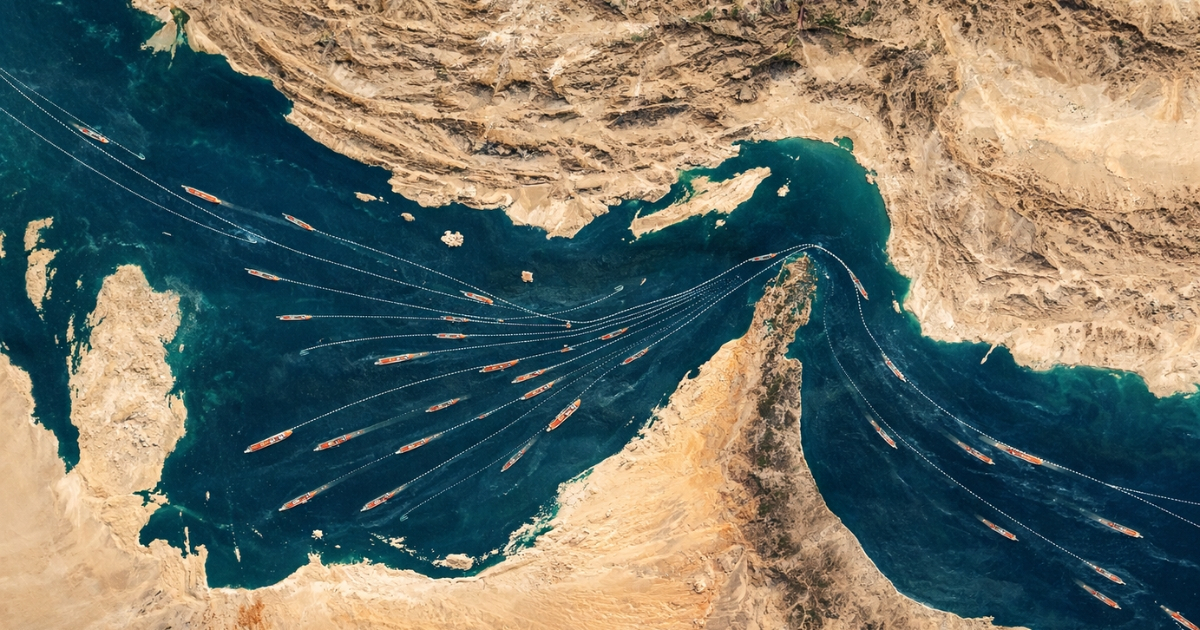
The gesture is not insignificant. A key part of the world's oil passes through the Strait of Hormuz, and any closure or tension in that route immediately affects global markets, fuel prices, and consequently, the daily lives of millions of people.
According to Araghchi, Iran will also suspend its military operations during this period, but made it clear that this measure depends on one essential condition: that attacks against its territory cease completely.
"If the aggressions stop, our armed forces will suspend their defensive operations," said the chancellor, hinting at the fragile nature of the agreement.
The announcement comes after intense diplomatic efforts led by Pakistan. Tehran publicly thanked Prime Minister Shehbaz Sharif and Army Chief Asim Munir for their role in bringing the conflicting parties closer together and preventing an immediate escalation.
In parallel, it was confirmed that President Donald Trump accepted the ten-point plan proposed by Iran as a basis for negotiations, while Tehran would also be willing to discuss a broader U.S. proposal, suggesting a point of convergence that just a few days ago seemed impossible.
Even so, the reopening of the strait will not be total or unconditional. Iran warned that safe passage will be under strict coordination with its military forces and subject to the limitations inherent in a wartime scenario.
The reopening comes after more than five weeks of armed conflict that began on February 28, 2026, with Operation Epic Fury, launched by the United States and Israel, which destroyed 90% of the Iranian missile arsenal and 95% of its drones, and eliminated 49 high-ranking military officials, including Supreme Leader Ali Khamenei.
Iran responded by closing the Strait of Hormuz on March 4 using mines, drones, and missiles, leaving 2,000 vessels and 20,000 sailors stranded and causing the price of Brent crude to soar above $126 per barrel, compared to $67 prior to the conflict.
Formal negotiations between Iran and the United States are scheduled to begin in Islamabad next Thursday, April 10, with Pakistan, Egypt, and Turkey serving as key mediators in the diplomatic process.
Filed under: