
Related videos:
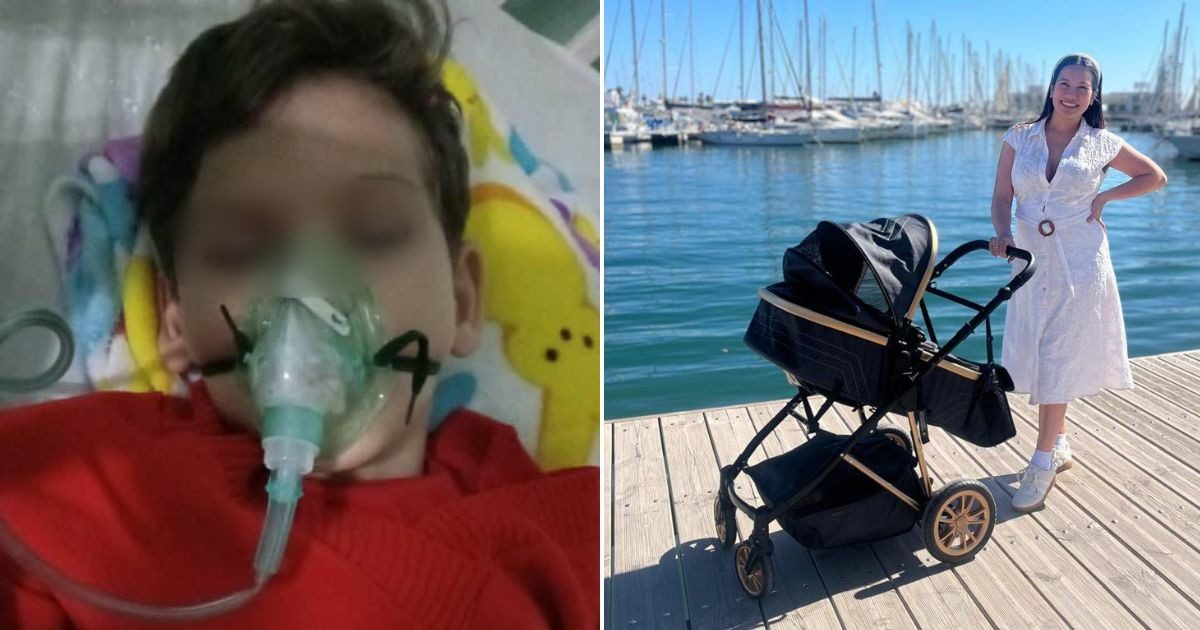
A child from Las Tunas with phenylketonuria (PKU) has gone two years without receiving specialized care, while his condition deteriorates irreversibly due to the seizures he experiences daily amid the inaction of the Cuban healthcare system.
Selena Suárez, a relative of the minor, reported this Saturday in the Facebook group "Revolico Centro Habana" that the child is not receiving the necessary medical follow-up or the strict diet required by his condition, and that the institutions have consistently replied with the same excuses: "there are no available beds" or "there is no fuel for transportation."
The child's clinical condition is critical: they cannot feed themselves, do not speak or communicate, and have a severely affected motor system.
The family tried to resolve the transportation issue on their own. "At first, they told us there was no fuel for the transfer, so as a family, we decided to take him to Havana ourselves, but then they tell us there are no available beds for his admission," a family member explained in the comments of the post.
The consequence of this wait is devastating. "The child is suffering irreversible brain damage every day due to the seizures," warned the same source, emphasizing that the aim of the public complaint is solely to bring visibility to the case after two years of empty responses.
Phenylketonuria is a hereditary metabolic disorder that, without treatment, leads to toxic accumulation of phenylalanine in the blood and tissues, causing irreversible neurological damage, severe intellectual disability, and seizures.
Medical literature warns that a child without treatment can lose up to 50 IQ points in the first year of life, and that one third of untreated cases develop severe cerebral palsy.
The treatment requires a strict lifelong low-protein diet, supplemented with special formulas free of phenylalanine.
Cuba has had a neonatal screening program since 1975 that covers 99.9% of newborns, and the Ministry of Public Health has a lifelong food subsidy program for these patients.
However, the country's systemic crisis has caused these programs to fail in practice due to the regime's inability to meet the needs of the population.
The collapse of the Cuban healthcare system is the backdrop to this case.
Hospitals are operating with power outages of up to twenty hours a day, inactive diagnostic equipment, and a shortage of fuel for ambulances and transfers.
The Minister of Public Health himself admitted in July 2025 that the coverage of medications was barely around 30%.
In Las Tunas, the situation is particularly serious. In November 2025, outbreaks of dengue and chikungunya overwhelmed the hospital services in the province, and transportation routes to Havana were limited to just one daily service, worsening access to specialized medical centers.
This is not an isolated case. In December 2025, the situation of baby Yoseily Miranda Rojas was reported, who has maple syrup urine disease, hospitalized for ten months without access to the special formula she needed.
In August 2024, also from Las Tunas, help was requested for two-year-old Ester Lianet Asprón Rey, who is in critical condition waiting for a hydrocephalus valve with no available resources.
"Every day that goes by without attention is another day of irreversible damage," wrote Suárez, who demanded specialized medical care, access to the appropriate diet, and the urgent transfer of the minor to a facility where they can receive the proper treatment.
Filed under: