
Related videos:
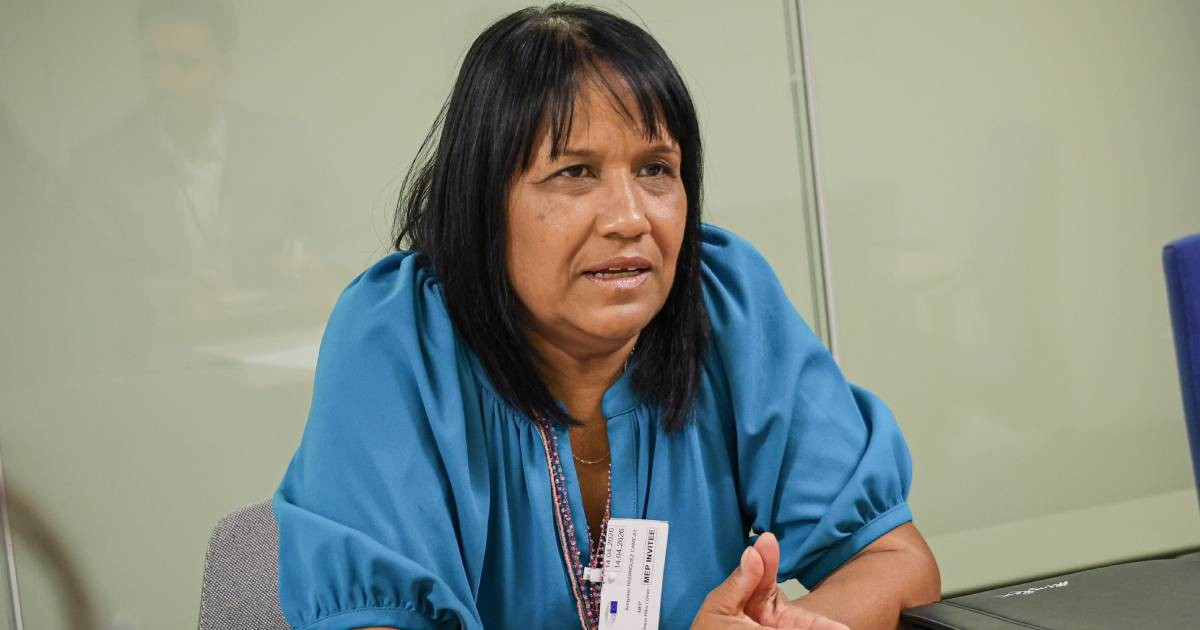
Cuba's Deputy Minister of Foreign Relations, Anayansi Rodríguez Camejo, stated this Tuesday to the Anadolu agency from Istanbul that the Cuban regime is open to dialogue with Washington, but she outlined a red line that she said is non-negotiable, referring to the political system and leadership of the country, which, she emphasized, are not negotiable under any circumstances.
"I can categorically confirm that the Cuban political system is not negotiable," Rodríguez Camejo stated. "It is not part of the negotiating table, if we can even have a negotiating table. And, of course, neither the president nor the position of any official is negotiable."
The statements came one day after President Donald Trump once again threatened the island before reporters at the White House: "Cuba is a nation in decline, and we are going to do this, and we may make a stop in Cuba after we are done with this," he said on Monday in reference to U.S. military operations against Iran.
Despite the tension, the deputy minister noted that there are areas where both countries could cooperate. "In the negotiations with the United States, there are a significant number of mutually interesting topics," she said, mentioning law enforcement, drug trafficking, organized crime, and terrorism. "These are issues that we can address cooperatively."
Rodríguez Camejo confirmed that high-level talks between both governments are taking place, although he noted that they are being handled discreetly due to their sensitive nature. Deputy Foreign Minister Josefina Vidal had described that process in March as "a very preliminary, very initial phase" without "structured negotiations between the two governments."
The official also rejected the characterization of Cuba as an "unusual and extraordinary threat" to the United States, a term that Trump used when signing, on January 29, the executive order that imposed a fuel blockade on the island. "Cuba posed no threat whatsoever to any country, including the United States of America," she replied.
Since that executive order, Cuba has received barely one shipment of crude oil —from Russia— in nearly four months, which has worsened a devastating energy crisis. According to the deputy minister herself, the blockade costs the Cuban economy about 7 billion dollars annually.
"The country is deteriorating due to the energy infrastructure, resulting in blackouts and prolonged power outages that our people endure every minute," denounced Rodríguez Camejo.
The humanitarian impact he described is alarming: nearly 100,000 patients are waiting for surgery, including almost 2,000 children; up to 40,000 pregnant women are awaiting an ultrasound; and more than 30,000 children are not receiving their vaccinations on time due to a lack of refrigerated transport.
This Tuesday, Foreign Minister Bruno Rodríguez also condemned on social media the contradictory statements by the Trump administration regarding fuel supply, accusing it of creating deliberate confusion to continue obstructing the entry of crude oil to Cuba.
In the face of Trump's threats, Rodríguez Camejo did not waver in tone: "I can assure you that any external aggressor will encounter an impenetrable resistance from our people," he warned, although he insisted that Havana prefers a "civilized" relationship based on reciprocity and sovereignty, without preconditions.
The regime's position is clearly defined as follows: talks yes, but with no changes to power.
Filed under: