
Related videos:
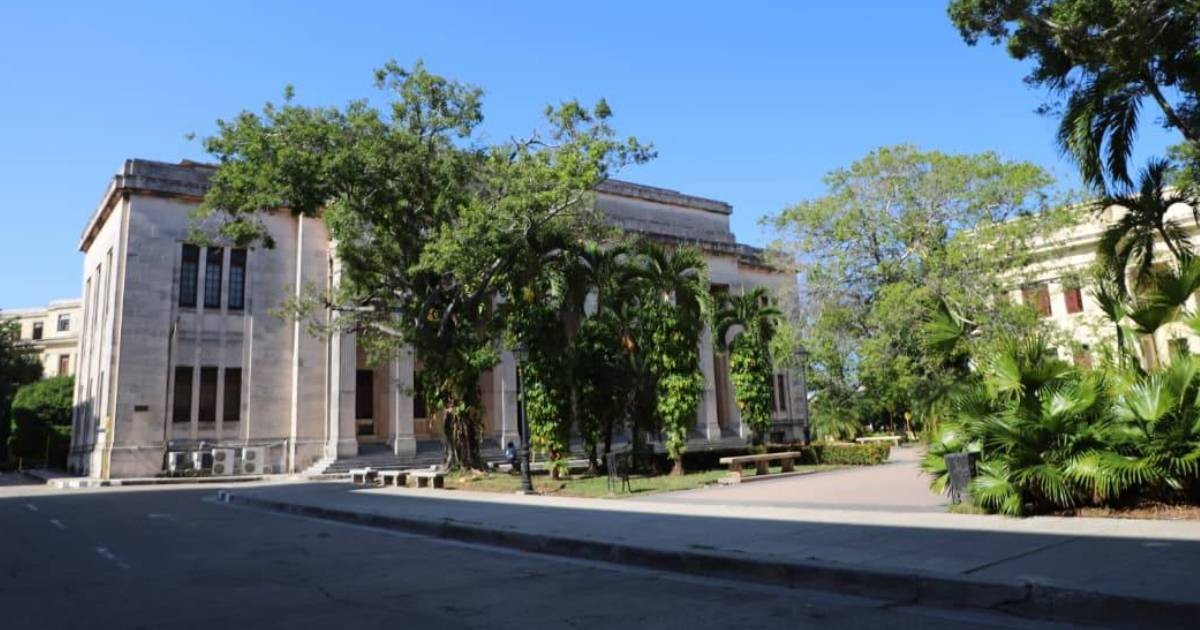
Brown University, a prestigious private institution in the United States located in Providence, Rhode Island, announced the suspension of its academic exchange program with the University of Havana for the fall of 2026. This decision once again highlights how the Cuban crisis affects even traditional areas of educational cooperation.
The measure was justified by the institution due to the current geopolitical tensions and the deep resource shortages on the island, exacerbated by the energy restrictions the country has been facing since the beginning of the year.
The program, coordinated by Brown through the Consortium of Advanced Study Abroad (CASA), brings together 11 elite universities—including Harvard, Columbia, Cornell, and Dartmouth—and allows up to eight students per semester to undertake 15-week academic stays in Havana, combining university studies with cultural immersion.
The suspension comes at a particularly sensitive time. As confirmed by Jorge Cuéllar, professor of Latin American Studies and director of the program at Dartmouth, to the student newspaper The Dartmouth, at least two students had already committed to the exchange planned for the fall, and they will now need to rethink their academic plans abroad.
But beyond the impact on American students, the decision reflects a deeper reality. Cuba is becoming increasingly isolated in the international academic sphere as it faces an unrelenting crisis.
The situation is not exclusive to Brown. The University of California, Berkeley, has also decided to postpone its program “Cuba: Beyond the Icons” until the summer of 2027, citing concerns about the humanitarian crisis on the island. Additionally, the U.S. Department of State has maintained a travel warning for Cuba since 2018, citing issues of security, crime, and more recently, the instability of the electrical system.
Those who are currently on the island describe a complex situation. Three Dartmouth students participating in the spring program reported an experience marked by constant power outages, logistical limitations, and new mobility restrictions.
Unlike in previous years, students are not allowed to leave Havana. Gabriela Martínez, a student from the class of 2028, explained that the program directors aim to avoid risks in the event of a possible emergency evacuation. "They don't want us to be in another city, which would make our return to the United States much more difficult," she noted.
However, the measure has generated frustration among participants. Camila Sánchez, from the class of 2027, described it as "disappointing." "We are all eager to explore the island more. We're trying to see if, maybe towards the end of the program, we can get the green light to do it," she commented.
In a Cuba marked by blackouts, scarcity, and increasing difficulties for daily life, even academic experiences that have served for years as a bridge between the island and the world are beginning to crumble. For many, the suspension of these programs is not just a logistical adjustment: it is another sign of the growing isolation the country faces.
Filed under: