
Related videos:
A simple image once again highlighted one of the most everyday and frustrating shortages for Cubans: bread.
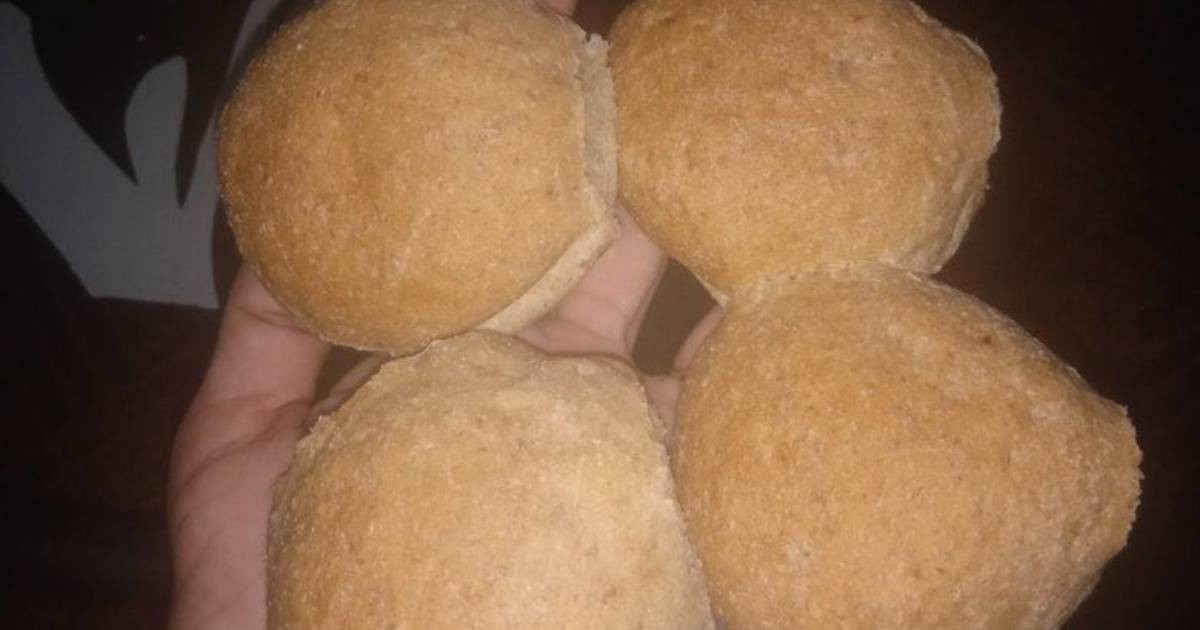
A user identified on Facebook as China GC shared a photo in which she holds four small round rolls, visibly tiny, accompanied by a comment full of irony that quickly resonated with thousands of people both on and off the island.
"I don’t know whether to eat them or return them so they can finish growing, as they are underweight. Medically speaking, 'they are underweight,'" he wrote, in a mix of humor and annoyance that reflects the general sentiment.
Behind the joke, however, lies a specific complaint: the price and the quality. As he explained, he paid between 25 and 30 Cuban pesos for each one. “You can laugh, but it’s frustrating to pay that price and find they lack quality. But since you still have to buy them… the issue of quality will remain a never-ending task,” he added.
Your publication is not an isolated incident. In recent months, social media has been flooded with similar complaints. At the end of March, a viral video showed a young woman claiming she hadn't received bread from the bodega for three weeks. In Guisa, Granma province, residents shared images of nearly symbolic loaves of bread, even accusing bakers of irregularities.
Indignation is rooted in economic reality. The prices mentioned by the user align with official rates from the liberated market: in Guantánamo, the 40-gram bread has been set at 25 pesos since May 2025; in Artemisa, one of 50 grams costs 30 pesos. However, in other areas, the situation is even more critical. In Santiago de Cuba, the scarcity of flour has raised the price to 50 pesos per unit, while in Havana, a bag of eight loaves has been sold for 500 pesos in the informal market.
The problem is not just the cost, but also the availability and quality. The bread crisis in Cuba is due to structural factors that have worsened over time: a lack of imported wheat flour, constant blackouts that halt bakeries, fuel shortages, and inflation that increases the price of every ingredient.
The standardized bread, one of the few foods guaranteed by the basic basket, has also faced reductions. In several provinces, its weight has been decreased from 80 to 60 grams, and in places like Villa Clara it has been exclusively limited to children under 13 and seniors over 65.
Precarity has forced a regression of decades in production methods. In provinces such as Holguín, Havana, and Cienfuegos, people have returned to baking with firewood due to the lack of electricity and diesel. In rural areas of Guantánamo, flour is transported by mules. In Villa Clara, coal and cuje ovens have become a common alternative.
Even the government itself has acknowledged the seriousness of the situation, admitting to a "total fuel blockade" that has forced them to improvise solutions to maintain production.
In February 2025, Santiago de Cuba ran out of flour to ensure the availability of rationed bread. A month later, the arrival of a ship with 24,000 tons only managed to meet the demand for a few weeks.
In the midst of this situation, humor remains a pressure release for Cubans. However, as the publication from China GC makes clear, laughter coexists with fatigue.
Because beyond the joke, the reality is that obtaining a loaf of bread—no matter how small, expensive, and of poor quality—has become another daily battle. The underlying feeling is that none of this seems to have a short-term solution.
Filed under: