
Related videos:
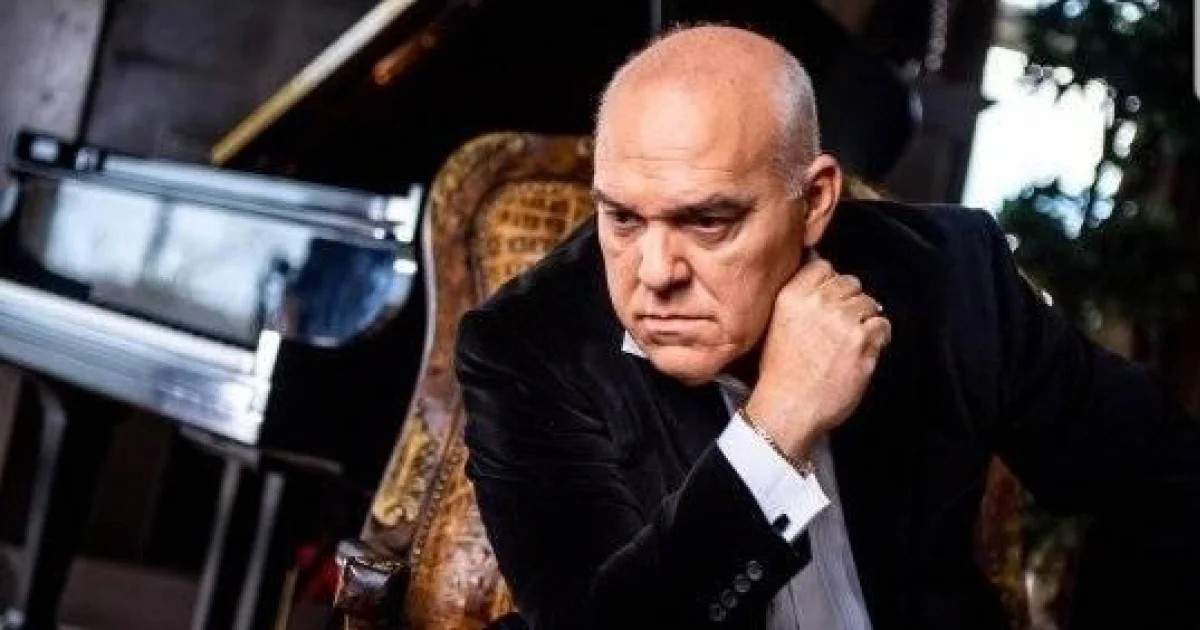
The Cuban lyrical singer Ulises Aquino Guerra posted a message titled "Where Are We Going?" on his Facebook profile, in which he makes a direct appeal to the regime to stop the persecution and pressure against those who protest or express their dissent in Cuba.
Aquino, founder of the community project Ópera de la Calle, opens the text with a statement that leaves no room for ambiguity: "If we are sincere and honest about our reality, we will have to acknowledge the paralysis of national life...".
Regarding the economy, the artist is equally emphatic in stating that the country is in a "narrow and dead-end" alley.
"The Cuban economy, which is the only viable foundation for overcoming the dramatic reality we live in, finds no possible way out beyond traditional ideological discourse, but without concrete proposals; should there be any, the people remain unaware of them," he pointed out.
The baritone defends the right of the population to express their despair and rejects the repressive response from those in power: "People, fed up with so many needs and miseries, have no other way to alleviate their suffering than by shouting, protesting, or showing their desperation wherever they can."
In light of that reality, he warns that "responding with threats, persecution, and imprisonment is the worst option the authorities have to calm such justified and rightful social uncertainty."
The text also questions the legitimacy of a government that does not listen to the people when making decisions that affect them: "A government of the people and for the people has the mission of involving them in the decisions that concern them; otherwise, it positions itself as their main adversary, even if its intentions are the best."
Aquino also rejects the idea that those who protest should be treated as enemies of the state: "In extreme times like those we are living through, it is essential to show empathy towards those who are suffering from all kinds of shortages; they are not just ideological or political enemies, they are citizens without answers, without a present, and we cannot speak of the future without taking into account today's reality."
The purpose of the text is clearly stated in its own words: "My intention with this text is to call for an end to the pressure and persecution of dissenters. It is their right."
The artist goes further and warns about the consequences of maintaining a system based on repression: "Every act of threat or intimidation against those who protest or express themselves is an affront to freedom, and no social system can survive if its foundation is built on denying the right to cry out in the face of pain."
Aquino concludes his text with a proposal that places freedom as an essential condition for any solution: "The only way to silence that outcry is by demonstrating that there is a project that involves us all toward the improvement of life, toward more real freedoms, because freedom is the only legitimate engine of development."
The text was produced during a time of acute social crisis. Last January, 953 protests were recorded in Cuba, the highest number on record according to the Cuban Conflict Observatory. In March, protesters in Morón, Ciego de Ávila, stormed the municipal headquarters of the Communist Party of Cuba and set furniture on fire after more than 26 hours of blackout.
It is not the first time Aquino has raised his voice. Last week, he questioned the National Music Award given to Amaury Pérez Vidal, accusing the regime of rewarding political loyalty over artistic merit.
In October, he described Cuba as being in a state of "indigence and misery", and in July he denounced the "betrayal" by those who managed the Revolution.
Filed under: