
Related videos:
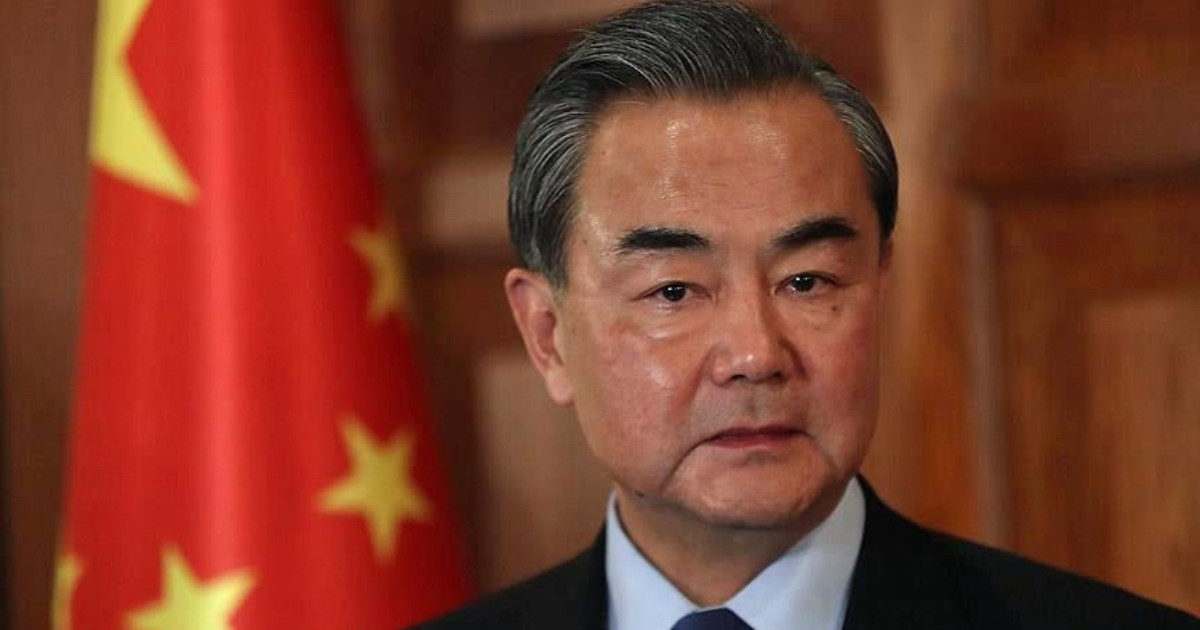
The Chinese Foreign Minister, Wang Yi, called his Iranian counterpart, Abbas Araghchi, this Wednesday to urge him to restore "normal navigation" in the Strait of Hormuz, according to a statement from the Chinese Ministry of Foreign Affairs.
The call comes as the two-week ceasefire between the United States and Iran, mediated by Pakistan and agreed upon on April 8, is set to expire around April 21 without a permanent agreement being reached.
Wang emphasized that while Iran's sovereignty and security in the strait must be respected and safeguarded, the freedom and safety of navigation must also be guaranteed.
The Chinese Chancellor added that there is significant international interest in restoring normal navigation through that maritime route and that China is willing to continue its efforts to ease tensions and promote improved relations among the countries in the region.
Wang characterized the current situation as a stage that has "reached a critical moment of transition between conflict and peace, with a window of peace opening".
On his part, Araghchi informed Wang about the progress in negotiations with Washington and emphasized that Iran is willing to continue seeking a rational and practical solution through peaceful talks. Tehran also requested Beijing to play a positive role in promoting peace.
Iran closed the Strait of Hormuz on March 4, 2026, in retaliation for the Epic Fury Operation launched by the United States and Israel on February 28 against Iranian nuclear facilities. The closure affected 20% of the world's oil and caused the price of Brent crude to spike from 67 to 126 dollars per barrel.
Although the ceasefire demanded the reopening of the strait, Iran has maintained controls in the area and charged tolls exceeding one million dollars per vessel, without fully allowing traffic to resume.
On April 11, U.S. forces began operations to clear the strait, and on April 13, Washington implemented a selective blockade aimed solely at Iranian ports, allowing passage for other ships.
Wang Yi's call is part of a broader diplomatic offensive by Beijing: on the same Wednesday, President Xi Jinping presented a four-point proposal for peace and stability in the Middle East during a meeting with the President of the United Arab Emirates, Sheikh Mohammed bin Zayed Al Nahyan. The four points include peaceful coexistence, respect for national sovereignty, the primacy of international law, and a balance between development and security.
China and Pakistan had already presented on March 31 a joint five-point initiative for an immediate cessation of hostilities and the provision of humanitarian aid, reinforcing Beijing's role as an active mediator in the conflict.
With the ceasefire about to expire and no agreed extension, Chinese diplomatic pressure aims to prevent a new escalation in one of the most strategic maritime routes in the world, through which nearly a third of the world's oil trade passes daily.
Filed under: