
Related videos:
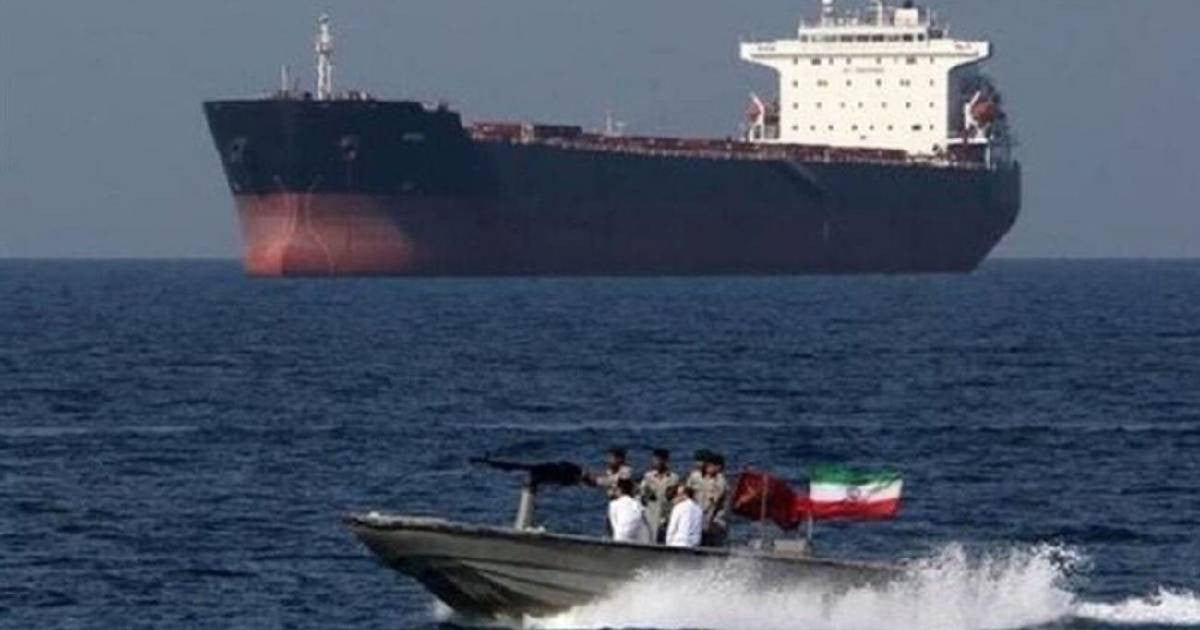
Iran threatened on Friday to close the strategic Strait of Hormuz again if the United States maintains the naval blockade imposed against Iranian ships, in an escalation of tension that jeopardizes the transit of 20% of the world's oil.
The warning was disseminated by the agencies Fars and Tasnim, both linked to the Iranian Revolutionary Guard, reported the EFE agency.
"If the maritime blockade (by the United States) is maintained, it will be considered a violation of the ceasefire and passage through the Strait of Hormuz will be closed," emphasized the authorities of the Persian nation.
The threat came hours after the Iranian Foreign Minister, Abás Araqchí, announced the complete reopening of the maritime passage until next Wednesday, the deadline for the current ceasefire, as a result of the cessation of hostilities in Lebanon.
However, the Iranian reopening imposes three conditions: vessels must coordinate their passage with Iranian forces, transit along a specific route that goes from the Gulf of Oman north to the island of Larak, and have no links with countries deemed enemies, namely the United States and Israel.
The president Donald Trump immediately responded on his Truth Social platform and reaffirmed that the naval blockade will remain in effect.
"The Strait of Hormuz is completely open and ready for trade and free transit, but the naval blockade will remain in full force and effect concerning Iran, only until our negotiations with Iran are fully completed," he stated.
The naval blockade was ordered by Trump on April 12, following the failure of negotiations in Islamabad, where the U.S. delegation, led by Vice President JD Vance, the U.S. special envoy to the Middle East Steve Witkoff, and Jared Kushner, Trump's son-in-law, failed to reach an agreement with Iran after more than 20 hours of talks.
Since the beginning of the blockade, the United States Central Command reported that 19 ships were ordered to turn back toward Iranian ports, with none succeeding in evading U.S. forces.
In parallel, British Prime Minister Keir Starmer announced that a dozen countries have pledged military contributions for a multinational defensive mission led by the United Kingdom and France aimed at unblocking the strait, with a planning conference scheduled for next week in London.
The current scenario is set against the backdrop of the conflict that began on February 28 with Operation Epic Fury, the joint attack by the United States and Israel on Iranian nuclear and military facilities, which resulted in the death of the supreme leader Ali Khamenei and dozens of high-ranking political and military officials of the Persian nation.
Iran responded by closing the Strait on March 4, which caused the price of Brent crude to soar from $67 to over $126 per barrel and halted 97% of naval traffic in the area, leaving over 2,000 vessels stranded.
Trump stated this Friday that he does not see the need to extend the ceasefire with Iran because he believes that Washington and Tehran could soon reach a peace agreement, and that most of the points have already been negotiated.
Additionally, the U.S. president announced that with the help of the United States, Iran is working to remove all sea mines from the Strait of Hormuz, which would mean the end of the paralysis of naval traffic through that route.
Filed under: