
Related videos:
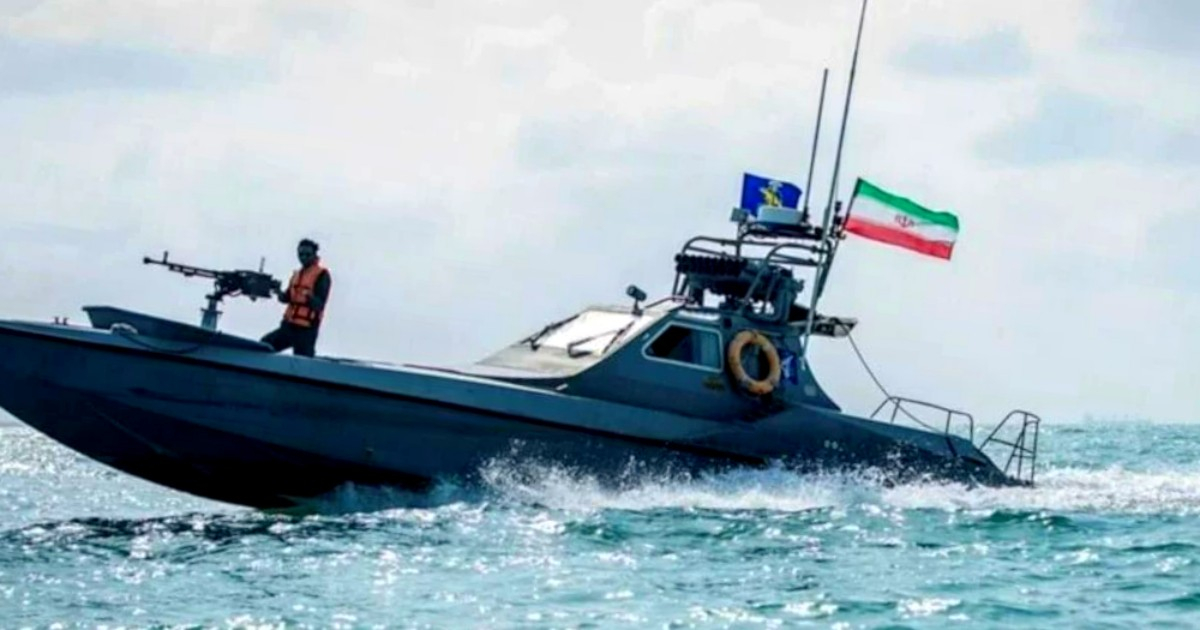
Iran reinstated strict control over the Strait of Hormuz this Saturday, just 24 hours after announcing its reopening, in response to the ongoing U.S. naval blockade of its ports and ships, according to EFE.
The lieutenant colonel Ebrahim Zolfagari, spokesperson for the Central Headquarters Jatam al Anbiya, announced through the Tasnim agency that "the control of the Strait of Hormuz has returned to its previous state and this strategic route is under strict management and control by the Armed Forces."
Zolfagari explained that Iran had allowed the "limited and managed" passage of some oil and commercial vessels as a "gesture of goodwill" during the negotiations, but decided to reverse that measure due to what he described as Washington's repeated failures to comply.
"Until the United States restores full freedom of transit for vessels to and from Iran, the situation in the Strait of Hormuz will remain under strict control," warned the military spokesperson.
The announcement comes seven weeks after the initial closure of the strait, through which about 20% of the world's oil passes, and at a time of heightened tension that includes Iran's threat to mine the area.
The conflict has its origins in Operation Epic Fury, launched on February 28, 2026, by the United States and Israel against Iranian nuclear facilities in Natanz, Isfahan, and Fordow, during which the supreme leader Ali Khamenei was also eliminated on March 1.
Iran responded by closing the strait on March 4, which caused the price of Brent crude to surge from 67 to over 126 dollars per barrel.
After a ceasefire announced by President Donald Trump on April 8, a first round of negotiations was held in Islamabad, which ended without an agreement after 21 hours of discussions.
On April 12, faced with diplomatic failure, Trump ordered a selective naval blockade against Iranian vessels, which the U.S. Central Command has enforced forcing the return of at least 19 merchant ships to Iranian ports.
The President of the Iranian Parliament, Mohamad Baqer Qalibaf, who led the Iranian delegation in Islamabad, warned on Friday via platform X that the strait "will not remain open" if the blockade continues, and condemned "false claims" by Trump regarding the maritime passage and negotiations.
"With these lies, they did not win the war and, without a doubt, they will not achieve anything in the negotiations either," Qalibaf stated.
Trump, for his part, stated on Friday in a speech in Arizona that the strait was "completely open" for trade and raised the possibility of
The current ceasefire expires on April 22, and Trump has warned that he will not extend it if there is no agreement, while the positions of both parties remain far apart: Washington demands the complete dismantling of Iran's nuclear program and a twenty-year moratorium on uranium enrichment, while Tehran offers only five years and demands $270 billion in compensation.
Filed under: