
Related videos:
Florida, for decades synonymous with opportunity and affordable housing, is losing its working middle class at an accelerated pace, according to an analysis published this Sunday by The Wall Street Journal.
The migration patterns of the state have changed drastically: working-age residents are leaving for other states due to affordability issues, while the influx of newcomers from other parts of the country is alarmingly slowing down.
"The affordability landscape has changed in Florida more than almost anywhere else in the country", analysts warn, in a state where the cost of living has steadily escalated in recent years.
Florida, for decades synonymous with opportunity and affordable housing, is losing its working middle class at an accelerated rate, according to an analysis published this Sunday by The Wall Street Journal.
Migration patterns in the state have changed drastically: working-age residents are leaving for other states due to affordability issues, while the influx of newcomers from other parts of the country is slowing down alarmingly.
According to the cited source, the sustained increase in the cost of living, particularly in housing, insurance, and inflation, is behind this shift that threatens the economic model of the state, historically dependent on population growth.
The arrival of residents with high purchasing power, which intensified during the pandemic, has contributed to the rise in real estate prices, while wages have not grown at the same pace.
This imbalance is pushing workers to seek alternatives in other states with lower costs and better conditions.
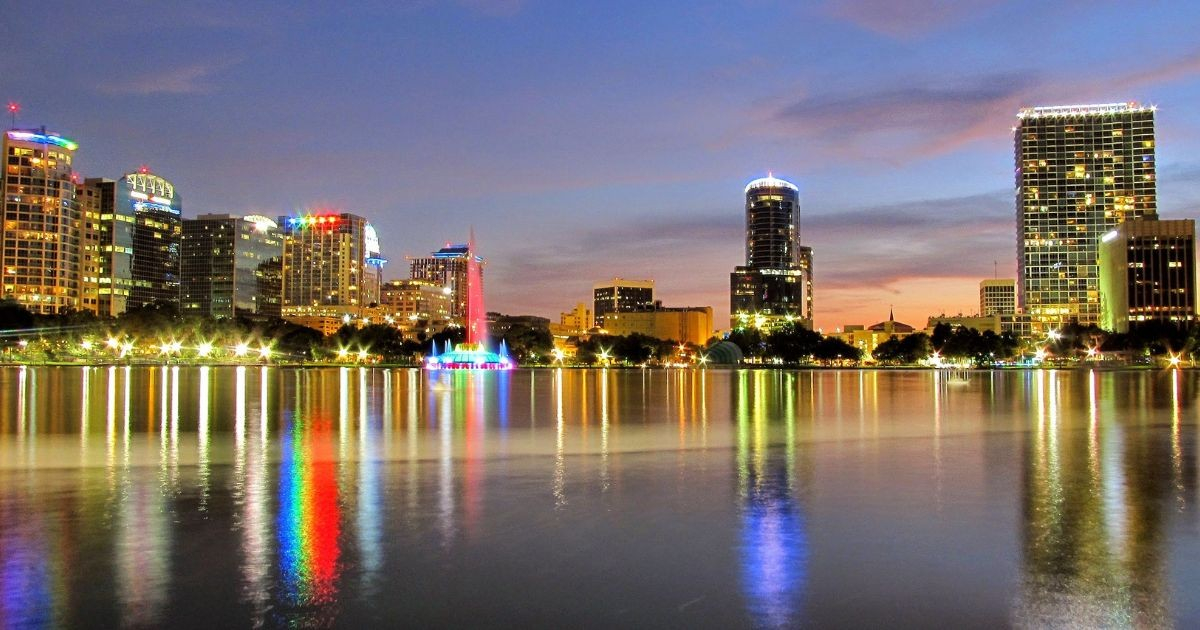
The impact is already evident in cities such as Orlando, Miami, and Tampa, which rank among the metropolitan areas with the lowest median household income in the United States, further limiting residents' ability to cope with basic expenses.
In the short term, analysts warn that the trend could worsen if prices do not stabilize. The decrease in internal migration jeopardizes key sectors such as commerce, services, and construction, which are pillars of the state economy.
Moreover, the exodus of people of working age could lead to a slowdown in job creation and affect property values, in a context where more and more families report living on the edge of their income.
If current conditions persist, Florida could face a structural shift in its growth in the coming years, leaving behind the image of an accessible destination that has attracted millions of Americans for decades.
Filed under: