
Related videos:
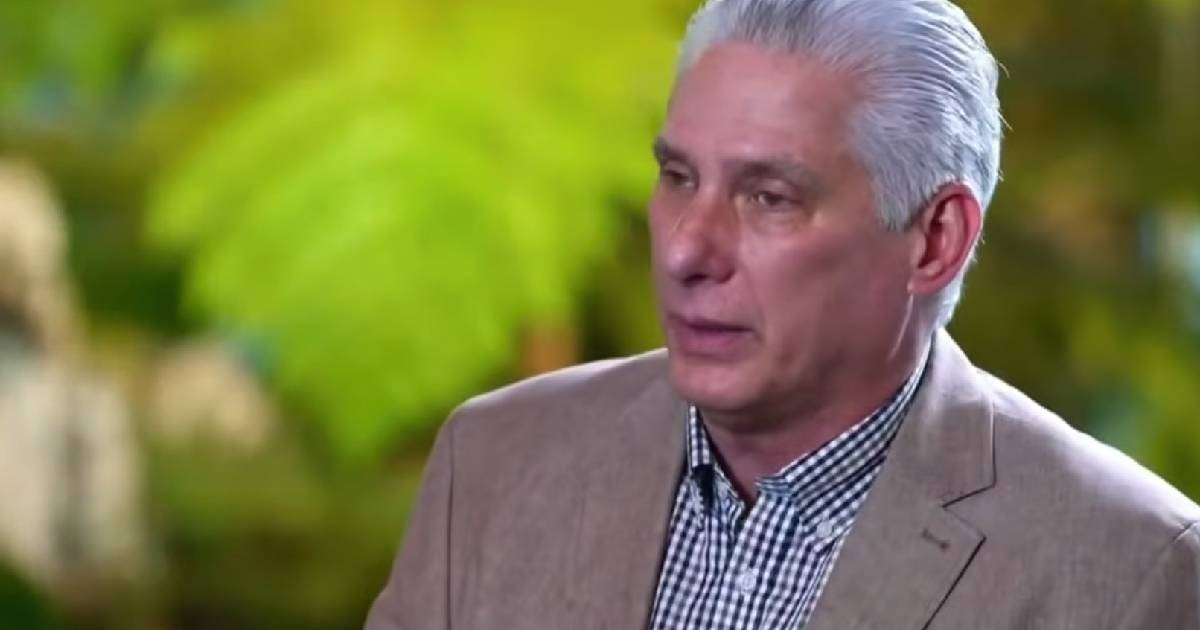
Miguel Díaz-Canel refused to disclose the oil figures that Cuba received from Venezuela during an interview published this Wednesday by Brazilian journalist Breno Altman on the program "20 Minutes" from Opera Mundi.
In response to the direct question about the volume of Venezuelan supply, the Cuban leader replied: "I'm not going to give you figures because they are things that are closely monitored by American intelligence services to see how they can affect us, and moreover, we have not renounced our right, like any other country in the world, to import fuel and for other countries to be able to export fuel to Cuba."
Díaz-Canel admitted, however, that Venezuela could no longer meet all of the island's fuel needs before the definitive cutoff: "From a quantity they provided us, going to zero and going to zero through all other means practically leaves us without mobility capabilities."
The leader confirmed that Cuba went four consecutive months without receiving a single drop of fuel from abroad, from December 2025 to April 2026, operating solely with its reserves and national crude oil production.
The only external relief came with an initial Russian ship that transported 730,000 barrels of oil, donated free of charge by the Federation of Russia.
"It's an amount of fuel that doesn't solve all our problems, but it provides us with the fuel we need, one third of what we require in a month," clarified Díaz-Canel during the interview, recorded in Havana.
That shipment would be sufficient to meet the needs for about 10 days and would allow for the partial reactivation of over 1,200 MW of distributed generation that had been inactive for four months due to a lack of fuel.
The energy crisis has severely impacted the Cuban people. Díaz-Canel acknowledged that blackouts have lasted up to 30 to 40 consecutive hours in some communities, with only three or four hours of electricity per day in many areas.
The impact on health is equally severe. "We have a list of more than 96,000 people awaiting surgery, including over 11,000 children," the ruler stated, describing the situation as "collective punishment."
Cuba needs about seven million tons of fuel per year and only produces between three and four million from domestic crude, which covers 40% of its needs.
The rest must be imported, a route that was virtually closed off after the Executive Order signed by Trump on January 29 of 2026, which imposes tariffs on countries that supply oil to the island.
Díaz-Canel's refusal to disclose the figures of Venezuelan supply is consistent with the historical opacity of the Cuba-Venezuela agreement, the exact terms of which have never been officially published.
Estimates from independent experts placed Venezuelan shipments at between 25,000 and 35,000 barrels per day just before the cut, far below the historic high of over 96,000 barrels per day recorded in 2011.
Russia announced additional shipments of oil to Cuba following the first cargo, although Díaz-Canel did not specify dates or volumes for these future shipments.
Filed under: