
Related videos:
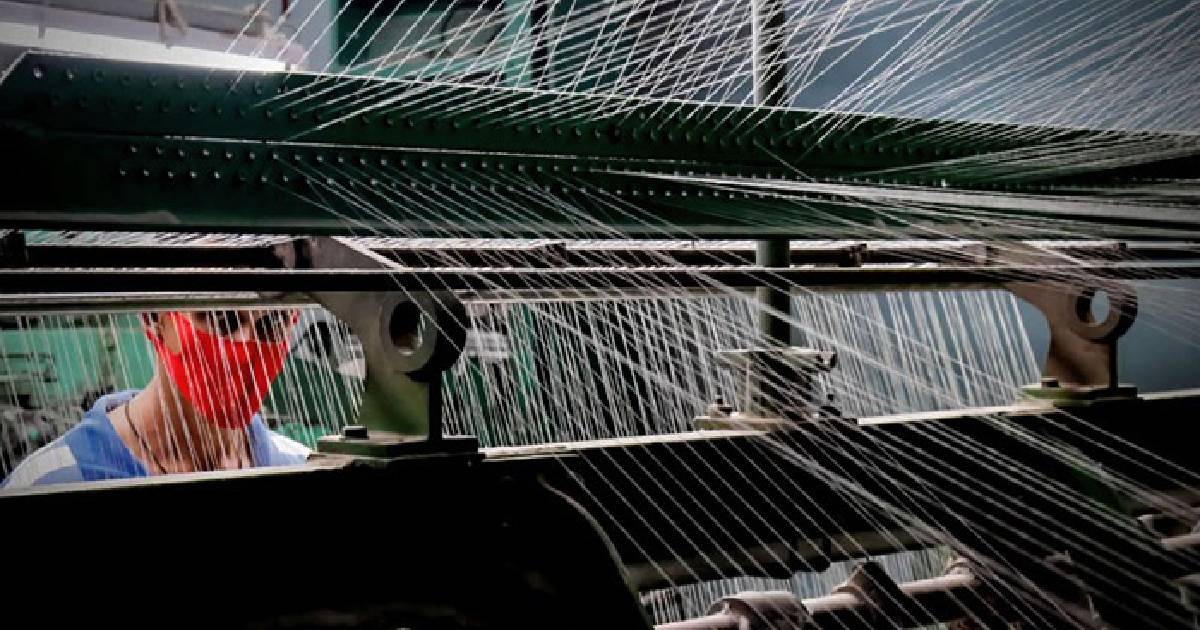
The only cotton spinning mill in Cuba, the Hilandería Inejiro Asanuma (Gihilan), located in the coastal municipality of Gibara, Holguín, operates under severe production difficulties that its managers attribute to the U.S. embargo, although the structural crisis in the sector is due to decades of mismanagement by the Cuban regime.
The factory, founded in 1961 and the first link in the national textile chain, supplies 100% of the country's cotton yarn and provides key supplies for hospitals, schools, and other strategic sectors.
Duniet Bruceta Leyva, general director of Gihilan, stated this Wednesday to the Cuban News Agency that the embargo "constitutes the main barrier to the factory's progress, as it limits access to financing, supplies, and technologies."
However, the problems described are the direct result of a centralized and inefficient economic model that has been in place for over six decades without generating its own productive capacity or diversifying supply sources.
Adolfo Sarmiento Ramos, investment specialist at the organization, stated that "one of the biggest challenges lies in acquiring spare parts and electronic components, since a large portion of these come from American companies, which compromises the maintenance and sustainability of the machinery."
The restrictions, according to Sarmiento Ramos, "cause a temporary halt in work areas, delays in the arrival of supplies, and the search for suppliers in third countries, which drives up transportation and logistics costs."
Among the most critical impacts is the importation of cotton fiber, an essential raw material for yarn, the scarcity of which directly affects the production of surgical gauze for the Ministry of Public Health and the kits provided for pregnant women.
Bruceta Leyva also acknowledged that "the instability of the electricity supply and the deficit of energy carriers cause interruptions in industrial flow and hinder the transport of workers and materials."
The collapse of Gihilan is not an isolated case; it reflects the widespread decline of the Cuban textile industry.
The textile factory in Santa Clara stopped producing surgical gauze since November 2022 due to a lack of imported raw materials, despite having allocated funding.
In the school year 2024-2025, Cuba only produced 2.2 million uniforms out of the 3.6 million planned, forcing factories in Villa Clara and Santiago to operate with generators amid power outages.
In 2024, out of 222 planned industrial products nationwide, 161 were not realized due to a lack of supplies and foreign currency, a figure that highlights the systemic failure of the centralized planning model.
Filed under: