
Related videos:
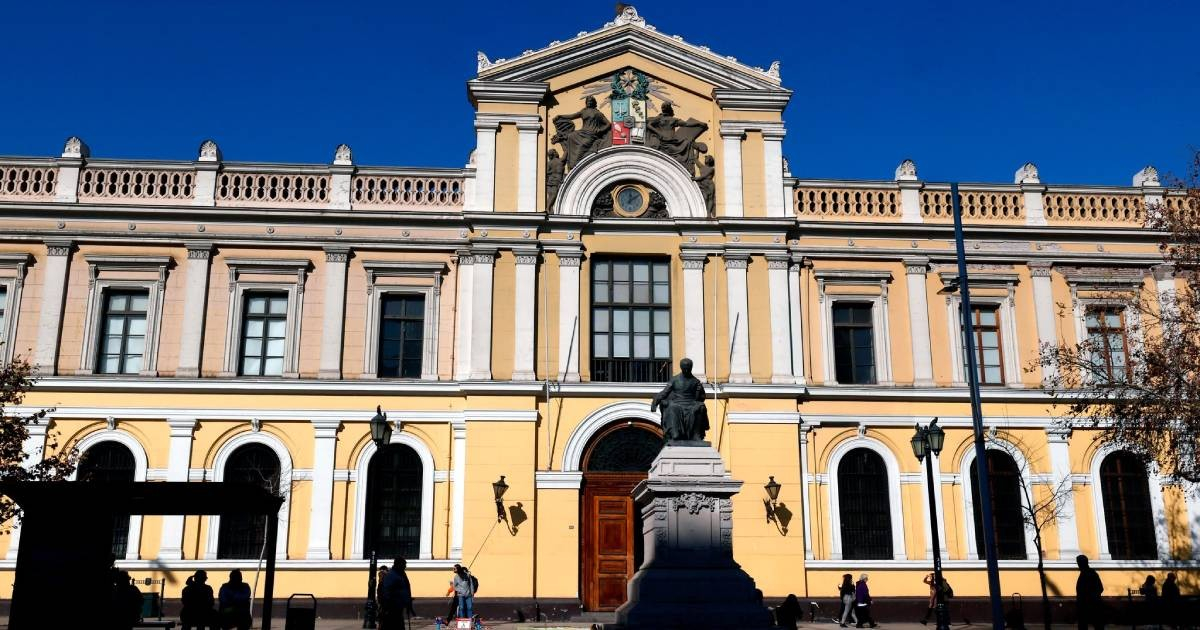
The General Comptroller of the Republic of Chile criticized the University of Chile for having provided its facilities for a commemorative event marking the 67th anniversary of the Cuban Revolution and the birth of Fidel Castro, determining that the event had a clear political connotation incompatible with the institutional purposes of the educational institution.
According to a report from the Diario Constitucional, the event took place on January 6, 2026, in the "Isidora Zegers" Hall of the Faculty of Arts, organized by the National Federation of University Employees of Chile (FENAFUCH) together with the "Solidarity Committee with Cuba." The activity was presented to university authorities as an "artistic-cultural event, in solidarity with the Cuban people," without a detailed program provided, and was authorized by the corresponding academic authority.
However, photographic records reviewed by the Comptroller's Office revealed that the event went well beyond what was reported: posters related to the Cuban Revolution were displayed, the anthems of Cuba and Chile were performed, images from the official Cuban newspaper Granma showing the names and photographs of 32 Cuban soldiers who died in Venezuela were shown, and a bouquet of 32 red carnations was symbolically presented to the Cuban ambassador in Chile, Óscar Cornelio Oliva.
The event took place just three days after a U.S. military operation captured the Venezuelan dictator Nicolás Maduro, in which 32 Cuban military personnel—20 from the Ministry of the Interior and 12 from the Revolutionary Armed Forces—who were part of his personal escort, lost their lives.
Lautaro Carmona, president of the Communist Party of Chile, also participated in the event, where he paid tribute to the deceased and stated that solidarity with Cuba is an ethical duty for anyone who considers themselves a patriot and a supporter of Latin American unity.
The oversight body concluded that the activity exceeded merely being an artistic or cultural event or a simple academic reflection, revealing a clear political connotation unrelated to the primary purposes of the service in the manner it was authorized and executed, added BioBioChile.
The Office of the Comptroller also reminded that the university autonomy recognized by Law No. 21,094 does not exempt state universities from complying with Articles 6 and 7 of the Constitution, nor from the standards of integrity set forth in Law No. 18,575, which expressly prohibit the use of goods, resources, or personnel from the administration for political activities.
The regulatory body also dismissed the argument that the organizers would cover the expenses of the event, clarifying that the mere use of facilities, basic services, equipment, personnel, or security systems constitutes the utilization of institutional resources.
The University of Chile's Rectorate itself stated that it had no prior knowledge of the event and rejected any political party use of its facilities. The situation arose from anonymous complaints and was supported by requests from UDI deputies Sergio Bobadilla Muñoz, Guillermo Ramírez Diez, and Ricardo Neumann Bertín.
The Opinion No. D209N26, issued on April 14, 2026, instructed the University of Chile to regularize its authorization procedures, establish stricter preventive controls, determine whether there was any misuse of public resources, and assess the potential administrative responsibility of those involved. The university must provide documented information to the Metropolitan Regional Comptroller within a period of 15 business days regarding the measures taken.
Filed under: