
Related videos:
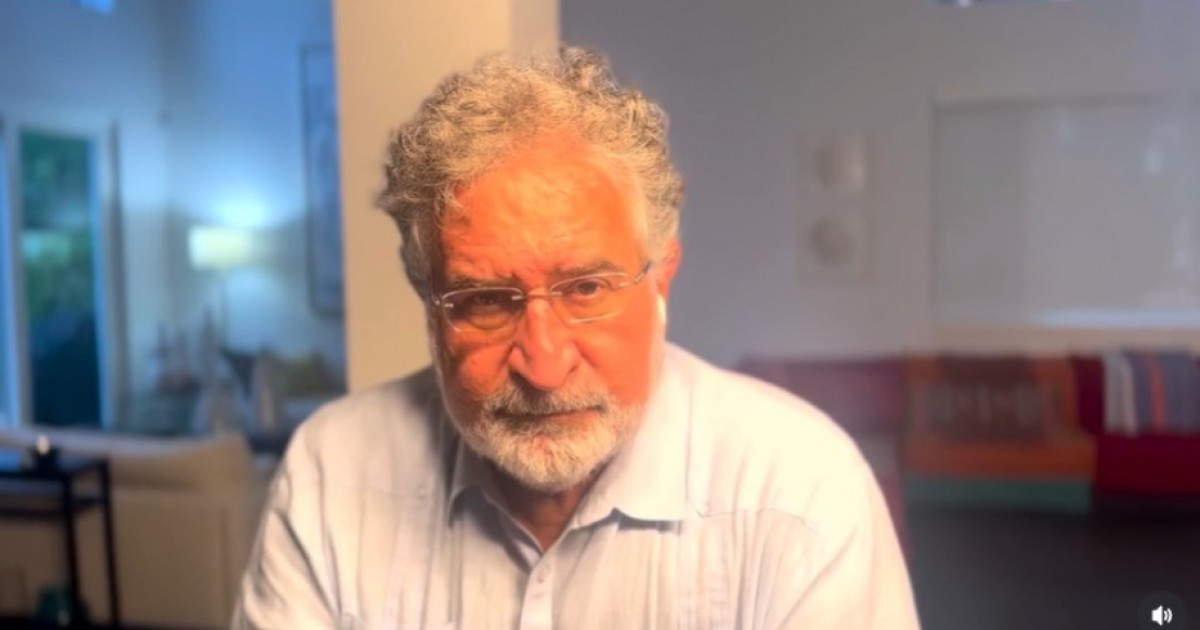
The former Cuban-American Democratic congressman Joe García expressed his confidence in Secretary of State Marco Rubio as a key figure in the negotiations between the United States and Cuba, and noted that it is good news for both countries to be in talks again, although he clarified that he does not fully agree with the White House's strategy toward the Island.
García made these statements on the program "Virtual Meeting with Gloria Ordaz", from Telemundo 51, during a time of high diplomatic tension: the deadline imposed by Washington for the release of over 1,200 political prisoners expires this Friday, April 24.
Despite their ideological differences with Rubio and a long history as political opponents, García was explicit in his support for the role of the Secretary of State. "With Marco Rubio there, the Cuban exile is also present," he stated.
When the journalist pointed out that his trust in Rubio contrasted with his doubts about Trump, he responded with a personal assessment of the Secretary of State.
"I believe we have Marco Rubio there. I do not share his ideology, I am not from his party, we have been political opponents, he has campaigned against me, but I have known him for 30 years," he said, but added: "Marco Rubio represents, in many ways, the essence of this community, and I think he also recognizes the importance of this for the future of Cuba and for this community."
The politician went further and emphasized the strategic value of having Rubio at the helm of diplomacy: "I believe that this is positive not only for the United States, not only for the Cuban exile, but for Cuba as well, and his presence, I hope, will create the possibility of broader long-term solutions for Cuba."
García also summarized his stance on dialogue in a straightforward phrase: "I believe that any conversation is a good one."
The former congressman also revealed that the Cuban regime has banned him from entering the Island. "They have me locked out of Cuba because they were upset with things I do," he explained, referring to his public insistence on the release of political prisoners.
He recalled that his last visit was in February 2025, when he had the opportunity to meet with the ruling Miguel Díaz-Canel and directly raised the need to release political prisoners. "That's part of how we solve this problem," he told him then.
On April 10, the first official American plane landed in Havana since Barack Obama's visit in 2016, and the State Department delegation met with representatives of the regime, including Raúl Guillermo Rodríguez Castro, the grandson of Raúl Castro.
Díaz-Canel, for his part, threatened on Wednesday to break off negotiations if Washington insists on conditions regarding the Cuban political system, while the regime denies the existence of deadlines or ultimatums.
In March, García had already celebrated the start of these conversations with a phrase that summarizes his vision: Against all hope, there is hope.
Filed under: