
Related videos:
The real estate market in Havana is showing signs of revitalization this April, driven not by supply and demand, but by expectations of a political change in Cuba after six decades of communist dictatorship, according to the agency AFP.
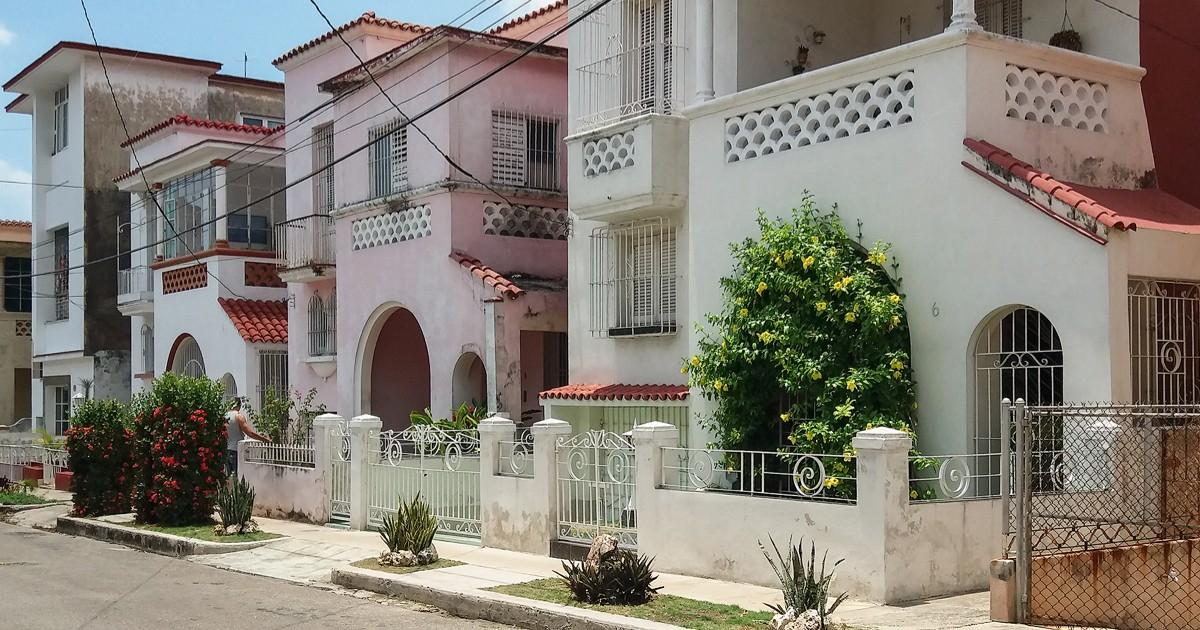
Real estate agents report increased activity, especially in the most sought-after neighborhoods of the capital: Miramar, Nuevo Vedado, and Vedado, known for their neoclassical mansions, embassies, and Art Deco gems.
The market is moving due to expectations of political transformation, explained the real estate agents consulted by the international agency.
This phenomenon coincides with the discussion of a housing bill draft that could be approved in July 2026, which has generated increased interest among potential buyers and investors.
The debate about the properties confiscated after the 1959 Revolution also resurfaces powerfully in this context, reopening an old wound among those who lost their assets and their descendants, many of whom are in exile.
The energy crisis worsens the situation: the reduction of Venezuelan supply has ended up depriving Cuba of 30% of its crude oil supply, deepening the economic and social deterioration of the island.
All of this occurs during a moment of maximum pressure on the Cuban regime, which is simultaneously facing the collapse of basic services, mass emigration, and increasing public discontent.
The paradox of the Havana real estate market is striking in a country where the population survives on an average salary that does not exceed 16 dollars a month, which shows that the capital flows in this sector are driven by external actors or the Cuban diaspora, rather than the purchasing power of citizens on the island.
Filed under: