
Related videos:
The Paraíso distillery, located in the town of Tuinucú in the province of Sancti Spíritus, has nearly halted its alcohol production following the collapse of the sugar harvest, which directly threatens the supply of supplies to the country's healthcare system.
The industry, belonging to the Base Business Unit (UEB) Derived from the Melanio Hernández Agroindustrial Sugar Company, started the 2025-2026 campaign but had to stop just 22 days later due to a lack of fuel, noted a report from the official newspaper Escambray.
"This year we started, and 22 days later we had to stop. Without the sugar harvest, the distillery is left tied hand and foot," stated engineer Humberto Pérez Ramos, director of UEB Derivados.
The problem is structural, as the raw material for the distillery, cane honey, depends on the Melanio Hernández mill itself, which provides nearly half of the supply. In the 2025 harvest, that mill only generated 17 days of steam, the source indicated.
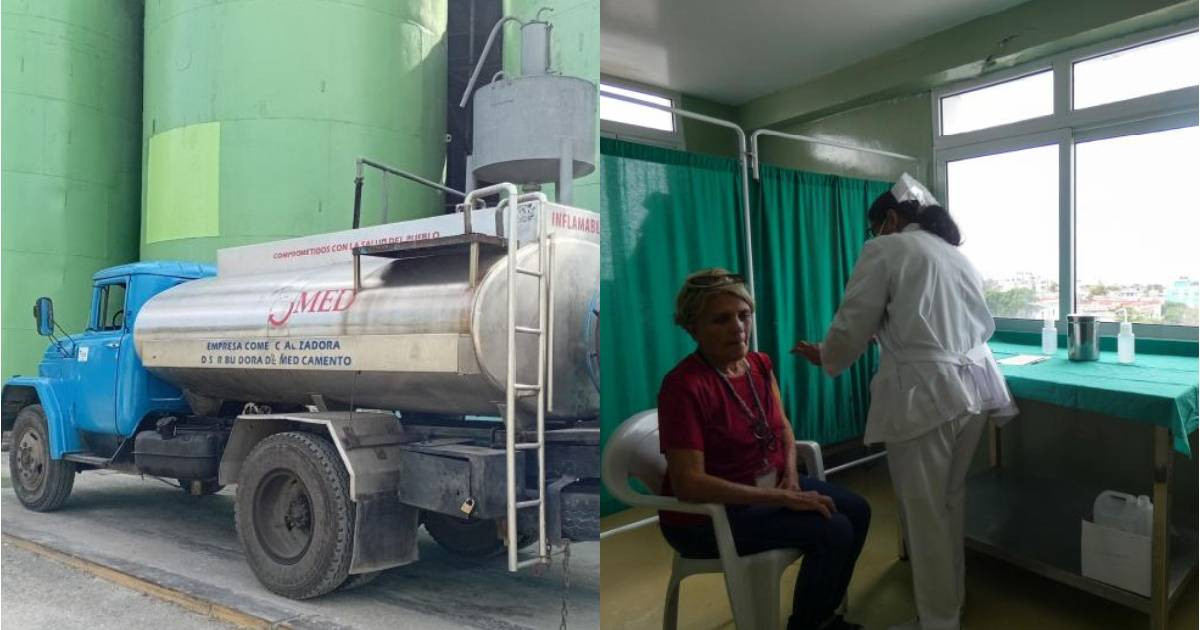
The most serious issue is the impact on public health. The majority of the alcohol produced by Paraíso is allocated to hospitals, laboratories, and research centers through the distributor Encomed, the only logistics operator that supplies medical alcohol to all healthcare institutions in the country, it acknowledged.
"Rum is an important line, but so is alcohol; most of what comes from Paraíso is destined for the Cuban healthcare system. Hospitals, laboratories, research centers; that is the most sensitive and necessary part of our work," Pérez Ramos emphasized.
This shutdown worsens a healthcare supply chain that was already stretched to its limits. Since 2025, families and patients have had to bring their own supplies to hospitals, including alcohol, cotton, and sutures, due to chronic shortages in healthcare facilities.
The crisis does not spare workers either. "We have managed to keep almost everyone employed, but there is indeed a salary impact because the payment system incentivizes production. If there is no production, there are no earnings," acknowledged the director.
So far, only 10 employees have declared a work stoppage, mainly due to transportation issues, the media outlet reported.
The distillery is seeking alternatives to survive. Pérez Ramos confirmed that they are working on adaptations to use petroleum waste from the Sergio Soto refinery in Cabaiguán as a substitute for fuel oil, and he assured that the industry is ready to resume production as soon as the harvest is reactivated.
The collapse of Paraíso reflects the national sugar disaster. The 2024-2025 harvest produced less than 150,000 metric tons, the lowest level in over a century, against a state plan of 265,000 tons. Only six of the 14 planned mills actually operated.
The economist Mauricio de Miranda summed it up bluntly: Cuba produced less sugar this season than in 1899, when the country had just emerged from three years of devastating war, and he pointed out that the responsibility lies with the political leadership, not with external sanctions.
The Santero rum line from the Destilería Paraíso, which produced rum and aguardiente, has been on hold for over five years, and its recovery does not seem feasible in the short term due to fuel shortages and production costs, added Escambray.
Filed under: