
Related videos:
The province of Holguín barely reached nine percent of the planned sugar in the past harvest, with only 38% of the cane processed and a multitude of deficiencies that reveal the depth of the Cuban sugar crisis.
This was revealed during the XVIII Plenary of the Provincial Committee of the Party in Holguín, chaired by Joel Queipo Ruiz, the first secretary of the organization in the area.
The presented report detailed that only 38% of the planned sugarcane was processed, amidst time losses due to constant breakdowns, high labor turnover, insufficient training of workers, inefficiencies in management, deficiencies in maintenance, and technological indiscipline.
Factors that, combined with the challenging objective conditions, shattered any goals, reported the official newspaper ¡Ahora!
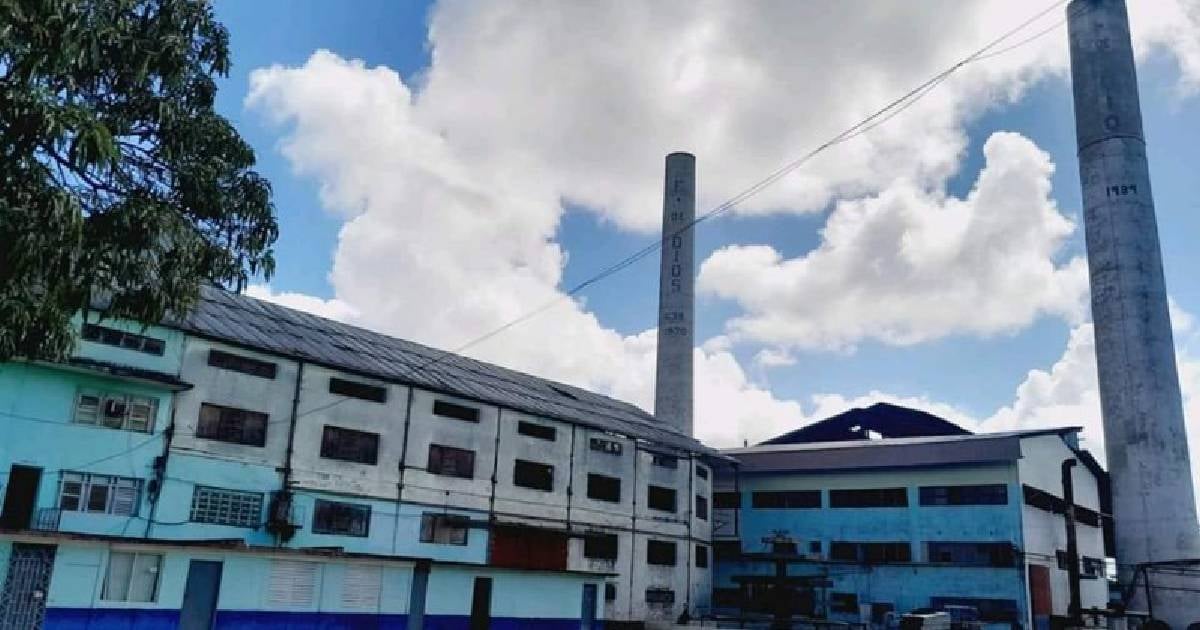
In November 2024, the media outlet had reported that the Fernando de Dios mill, located in the town of Tacajó, in the municipality of Báguanos, would be the only industry producing sugar in the province of Holguín.
It was mentioned that it was expected to ensure, among other products, the supply of sugar for the basic family basket, which amounts to 1,765 tons per month in the territory.
Queipo Ruiz insisted that the diagnosis is not enough. “The 2025-2026 sugar harvest must mark a turning point compared to recent years in order to recover the sugarcane program in Holguín,” he said.
He emphasized that the crisis has not only economic consequences but also political and cultural ones, as the sugar harvest represents identity and sovereignty for dozens of communities in the province.
The Plenary also reviewed public health indicators, particularly those related to comprehensive care for the Maternal and Child Program, "which shows a deterioration in its main indicators such as the birth rate, infant and maternal mortality rates, and the increase in adolescent and high-risk pregnancies,” the source emphasized.
The production of sugar in Cuba fell below 150,000 tons in the 2024-2025 harvest, the lowest level in over a century and less than half of what was achieved in the previous campaign, according to quoted by the EFE agency based on official sources.
The figure achieved was far from the state target of 265,000 tons, highlighting the ongoing decline of an industry that, for generations, was the cornerstone of the country's economy.
This debacle has been driven by a shortage of raw materials (sugarcane), recurrent power outages, fuel limitations, and the advanced deterioration of infrastructure.
In provinces like Villa Clara, sugar production has not met targets since 2019. This year, the Hector Rodríguez and Quintín Bandera mills reported yields below 50% of what was planned, with low planting, lack of seed, and incomplete industrial repairs, in an environment marked by improvisation.
The situation in Granma was no better: the harvest concluded with just 5,277 tons of sugar, far from the nearly 20,000 expected. The Enidio Díaz Machado mill was the last to operate, failing to make up for the low results of the other mills that operated at minimal capacities.
Camagüey, with a plan of 23,500 tons, produced only 4,000. The Carlos Manuel de Céspedes mill, the only one operational in the province, lost 87% of its grinding time, affected by breakdowns, technical deficiencies, and shortages of supplies. The authorities acknowledged the seriousness of the outcome.
Guantánamo accumulated only 2,900 tons, which is 38% of the plan. The start was delayed by more than 40 days, and the Argeo Martínez sugar mill operated with instability, despite the investments made. Production was even lower than the previous year.
In Las Tunas, the Antonio Guiteras sugar mill achieved only 16% of its plan due to shutdowns caused by a lack of basic resources. This was the worst historical campaign of the country's largest sugar mill.
In Ciego de Ávila, the Primero de Enero sugar mill did not participate in the harvest due to an electricity debt that led to its shutdown. Workers reported forced relocations and delays in salary payments, amid an unresolved institutional crisis.
The reduction of industrial capacity on the island is a result of the plan conceived and ordered by the dictator Fidel Castro (1926-2016) in 2002, the infamous Álvaro Reynoso task, which led to the dismantling of 120 of the 165 sugar mills that were operational at that time.
Today the country is unable to meet its domestic consumption - estimated between 600,000 and 700,000 tons annually - and depends on imports to meet the minimum demand.
Frequently Asked Questions about the Crisis in the Sugar Industry in Cuba
What was the sugar production performance in Holguín during the last harvest?
The province of Holguín barely reached nine percent of the planned sugar production in the past harvest, with only 38% of the sugarcane milled. The yield was significantly low, highlighting a severe crisis in the local sugar industry.
What are the causes of the sugar crisis in Cuba?
The causes of the sugar crisis in Cuba include a shortage of raw materials such as cane, recurring power outages, fuel limitations, deterioration of infrastructure, and logistical issues. These factors have led to a collapse of sugar production to historically low levels.
How does the sugar crisis affect the economy and the Cuban population?
The sugar crisis impacts the Cuban economy by reducing production in a sector that has historically been an economic pillar of the country. Additionally, the shortage of sugar directly affects the basic food basket and worsens the food crisis faced by the population.
What measures has the Cuban government taken to address the sugar crisis?
The Cuban government has resorted to measures such as "voluntary work" and has made investments in some sugar mills, but these actions have not succeeded in reversing the collapse of the sector. The sugar industry continues to face a decline without a clear recovery plan.
Filed under: