
Related videos:
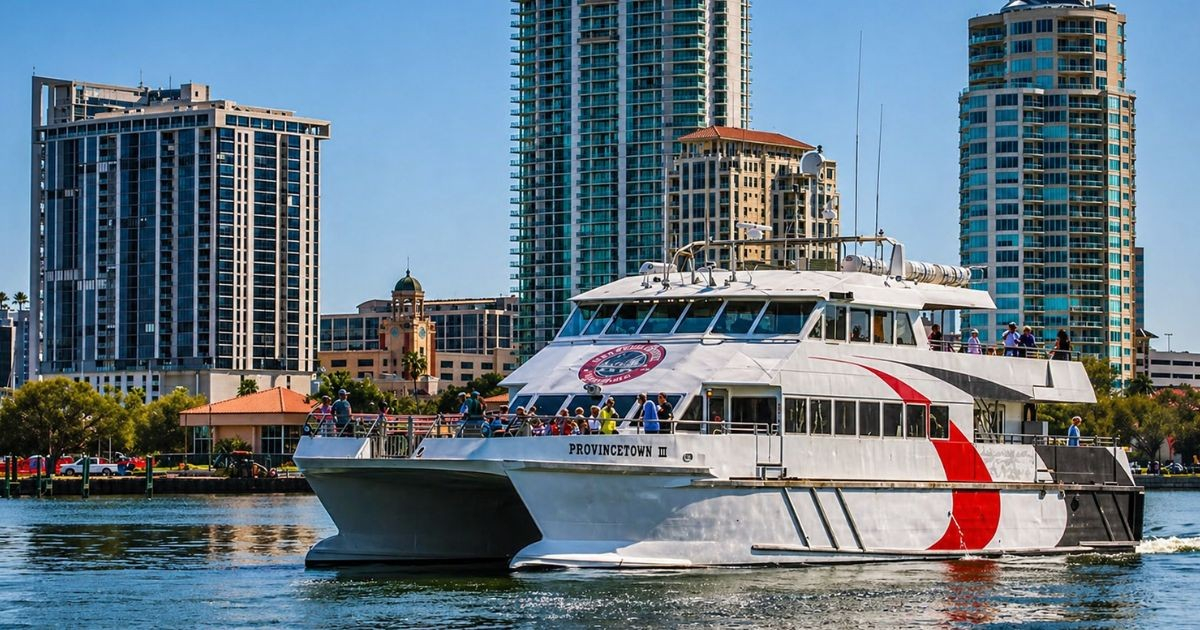
The Pinellas Suncoast Transit Authority (PSTA) unveiled its plan this Monday to relaunch the ferry service between Tampa and St. Petersburg under the name Tampa Bay Ferry, featuring two vessels, service seven days a week, and a one-way ticket price of $10, which is cheaper than the previous service.
The former Cross-Bay Ferry, which operated since 2017, abruptly closed on April 30, 2025, following a contractual dispute with its operator, HMS Ferries Inc., which proposed replacing the high-speed ferry with a slower one that would take two hours for the crossings.
The new service represents a significant improvement over the previous one: two vessels instead of one, daily operation year-round instead of seasonally, and a reduced ticket price compared to the $12 charged in the last season of the Cross-Bay Ferry.
The PSTA board of directors will vote this week on the purchase and renewal of two out of three available vessels, funded by a federal grant of $4.8 million.
"We are committed to creating this service the right way, so that it is sustainable in the long term," said the PSTA Chief Executive Officer, Brad Miller.
"For that reason, everyone should be impressed by the effort of the Hubbard's Marina team, working with our staff to maximize taxpayer funds and secure two boats with this unique federal grant."
If the board approves the plan, PSTA and its operating partner, Hubbard's Marina, will proceed to inspect, negotiate, and acquire the vessels, followed by renovations that may include new interiors, engine upgrades, and onboard amenities such as a snack and beverage bar.
The ferries will dock at the eastern end of the Tampa Convention Center, placing passengers right in the heart of the city near the Harbour Island bridge, the same location previously used by the service.
The location of the dock in St. Petersburg has not yet been finalized and will be announced at a later date.
The cities of Tampa and St. Petersburg will each contribute up to $350,000 annually to fund the service, a smaller contribution compared to the previous net subsidy of $1.1 million shared between both cities.
The President of the Tampa City Council, Alan Clendenin, emphasized the strategic value of the project: “A frequent and reliable ferry system strengthens the connection between our cities, supports economic activity on both sides of the bay, and adds a transportation option that fits the way people want to move today.”
The councilor Lynn Hurtak emphasized the impact on traffic congestion: "This ferry service is shaping up to be a beneficial situation for everyone on both sides of the bay.
"We will take cars off the road, open new transportation options for residents and tourists, and activate two major cities in truly exciting ways."
The Cross-Bay Ferry transported over 72,000 passengers in 2024, with tickets selling out on weekends, demonstrating the sustained demand for the service before its closure.
The service will be launched as soon as the vessels are refurbished, tested, and delivered to Tampa Bay, although a specific start date for operations has not yet been announced.
Filed under: