
Related videos:
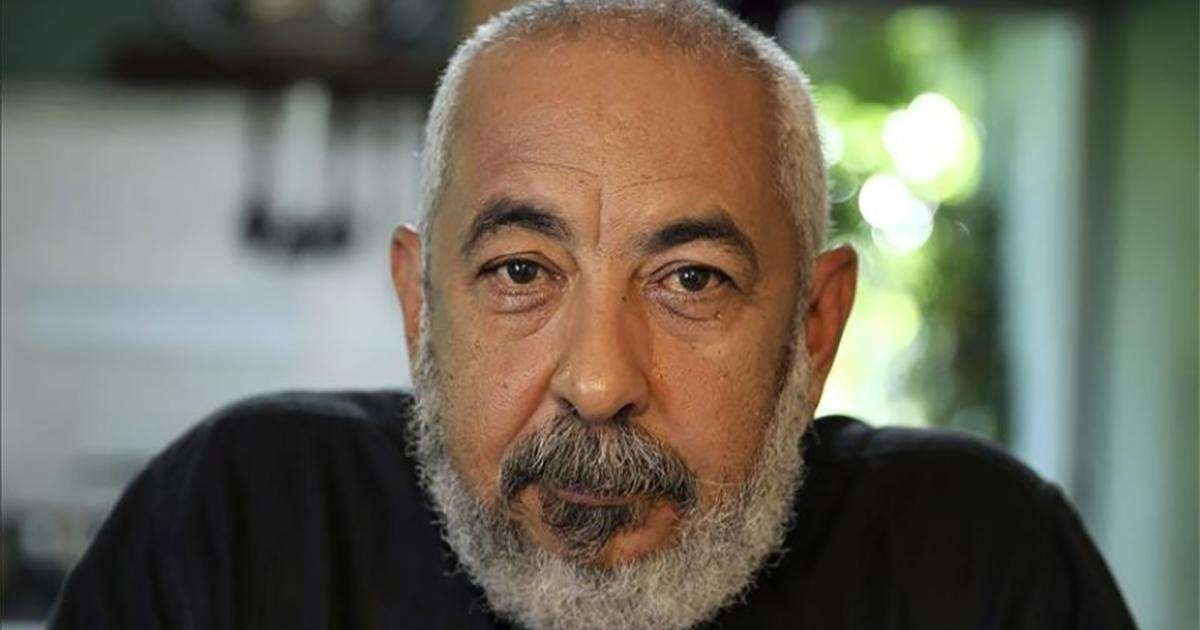
The Cuban writer Leonardo Padura presented his novel "Morir en la arena" on Saturday to a packed audience at the Buenos Aires International Book Fair, where he advocated once again for change in his country.
Padura expressed that living conditions in Cuba have become "bitter" and that society is living on the brink of catastrophe, facing a potential humanitarian crisis, which he attributed to the "energy blockade."
"All scenarios are on the table right now. The truth is that Cuba must change not because Trump says so, but because we Cubans need social, political, and economic reforms of all kinds. Cubans deserve to have a better life, and the waves of migration need to stop," noted the intellectual, who recalled that nearly 2 million people, mainly young professionals, have left Cuba since the pandemic.
To illustrate the precarious situation in the Island, she used a personal example: her 98-year-old mother receives a pension of 1,500 Cuban pesos while 30 eggs cost 3,000 pesos in the market.
"How could that lady live if she didn't have a bit of faith, which in Cuba we say is 'family abroad' - my sister who lives in Miami - and another bit of inner faith, which is my wife and I?" he questioned, quoted by Infobae.
That reality serves as the backdrop for "Morir en la arena" (Tusquets Publishing, 2025), which Padura described as his saddest novel and as an "X-ray of the last 33 years in Cuba."
The story follows Rodolfo, a newly retired man who learns that his brother—who killed their father decades ago—will be released from prison due to a terminal illness.
"The purpose of this novel was to discuss the fate of my generation, of people my age who retire and find themselves in a state of extreme vulnerability, despite having been professionals and having trained their whole lives," he explained, as quoted by Clarín.
Inspired by a real-life parricide that Padura experienced up close, the novel features two narrative moments: the present of Rodolfo and the past that begins in the 1960s, with four main characters and their children serving as a generational backdrop.
Regarding his decision to stay in Cuba, he was straightforward: "I’m still here and I will remain until I am expelled from the city, or I can no longer handle it, or I have to leave, but for now, I’m not being expelled and I’m not going anywhere. I have a very strong sense of belonging that determines my stay."
This stance has drawn attacks from exiles. In January, the writer Zoé Valdés accused him of being a "police agent of the Cuban regime" during the Derecha Fest in Mar del Plata.
In April, Padura published in El País the article "What is going to happen in Cuba?", in which he urged for structural changes in the face of the worst Cuban crisis in decades.
As a preview, the author confirmed that his next book will feature detective Mario Conde, the character that made him famous worldwide.
Filed under: