
Related videos:
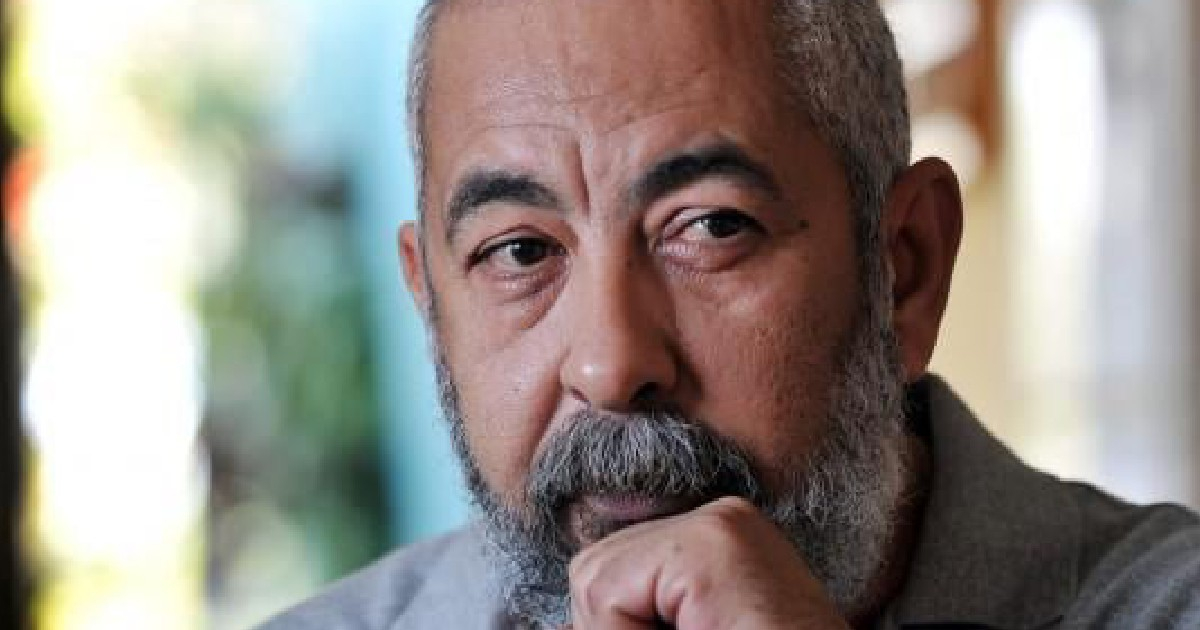
The writer Leonardo Padura, Princess of Asturias Award for Literature, published this Saturday in the Spanish newspaper El País an article titled "And what is going to happen in Cuba?" in which he vividly describes the situation the island is experiencing from within and concludes that change is an urgent necessity for the Cuban people.
The fellow journalist, who resides in Havana, warns that "all scenarios" are on the table, ranging from "changes that bring about no real change" to "some kind of military operation with unpredictable consequences" executed by the United States government, and he acknowledges that no one can accurately predict what will happen.
In the opinion of this National Literature Award winner, the present is one of the most dramatic economic and social moments in Cuba, exacerbated by the energy blockade of the Trump administration, which has paralyzed activities in multiple sectors and has compounded a pre-existing crisis of prolonged blackouts, deterioration of public transportation, lack of medical supplies, inflation, and wage poverty.
Padura outlines a genealogy of the current debacle that begins with Raúl Castro's reforms, which, under the slogan of "slowly but steadily," involved dismantling the previous "egalitarian system" and widened the gap of inequality by eliminating what were known as "unjust gratuities."
This legacy was compounded by the thaw with President Barack Obama, which the regime failed to capitalize on, the pandemic that devastated tourism, the reduction of Venezuelan aid, and the "ordering task" of 2021, which unified currencies but skyrocketed inflation and destroyed the purchasing power of citizens.
The writer establishes a key difference with the Special Period of the 1990s: back then, shortages were "horizontal," meaning they affected almost everyone equally and maintained the homogeneous fabric of society. Today, however, the crisis is "vertical": "many are struggling, but a visibly growing sector has been enriching itself while operating under the shortages that the State is unable to alleviate," the writer commented.
According to the views of economists and other social researchers, as well as popular sentiment, considering multiple variables, the current crisis surpasses the shortages of the 1990s, and it finds a population that is decimated, repressed, and with many of its youth in emigration.
Padura also criticizes the poor management of the regime's investments: hotels were built for tourists who never arrived, while there was a delay in investing in solar energy, which is now being installed at an accelerated pace in critical areas.
Regarding the recent movements of the regime, the writer skeptically analyzes the belated measure that authorizes Cuban emigrants to invest in almost any sector of the economy, including infrastructure and banking. The decision excludes those residing on the Island, who are limited to small and medium enterprises. "It's as if it were assumed that those on the inside are so poor that they couldn't even set up a shoe factory," he writes.
The potential foreign investors are acting cautiously in the face of a government that changes the rules at will, poorly pays its debts, and has frozen bank accounts while promoting the opening of new ones, notes the author of the Mario Conde detective series.
"Cuba must change, but it should not be because exogenous forces are suffocating it, but rather because Cubans, impoverished, weary, and hopeless, need it to change in many ways," Padura concludes.
The Cuban government, led by Miguel Díaz-Canel, however, seems unaware of that urgency; and relentlessly suppresses the critical voices that seek to drive change.
Filed under: