
Related videos:
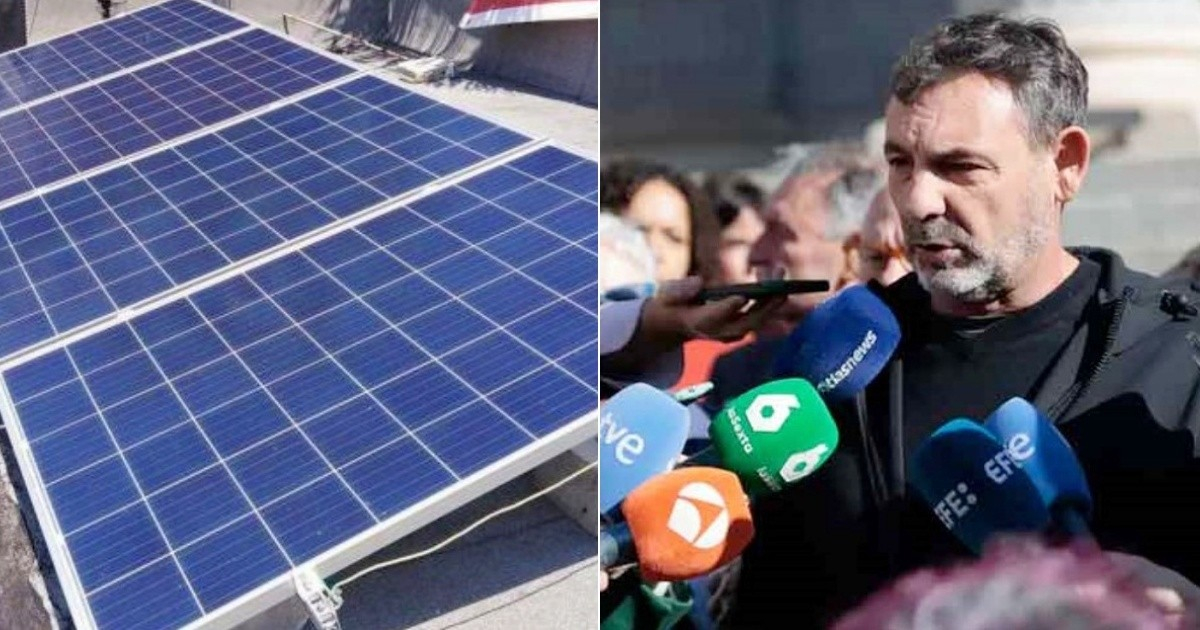
The sailboat Astral from the Spanish NGO Open Arms will set sail on May 10 from the port of Barcelona heading to Cuba, loaded with photovoltaic solar panels intended for the Juan Manuel Márquez Pediatric Hospital in Havana, as confirmed by the organization itself.
The initiative, named «Rumbo a Cuba», is promoted by Open Arms and the Ecooo Revolución Solar Cooperative, with explicit support from left-wing parties in Spain, such as Podemos, Sumar, and Bildu.
The fundraising campaign has raised so far 63,609 euros out of a target of 100,000 euros, contributed by 1,031 donors in roughly one month, which represents 64% of the goal and leaves over 36,000 euros still needed to complete it.
The journey includes stops in Valencia, Málaga, Cádiz, and Las Palmas de Gran Canaria before crossing the Atlantic, with scheduled stages from May 13 to May 28 according to the organizers.
In each segment of the journey, up to four individuals from the cultural sphere—public representatives and influencers—will board the ship in what the organizers describe as an awareness-raising mission.
However, beyond the immediate impact that these solar panels may have on a specific hospital, the initiative brings to light a recurring criticism: the international aid that reaches Cuba without independent oversight mechanisms often functions more as symbolic relief and political narrative rather than as a structural solution.
While these actions appear as gestures of solidarity, they avoid openly questioning the responsibility of the Cuban state in the deterioration of its energy and health infrastructure, thereby contributing to the perpetuation of a model that relies on specific external support.
The director of Open Arms, Óscar Camps, stated that they hope to "personally deliver all the photovoltaic material to ensure that, at a minimum, the intensive care department of the hospital can care for newborns and the vulnerable population that requires medical assistance."
Camps also praised the Cuban medical brigades, which he described as "professionals who are part of a sustained tradition of international solidarity," and justified the mission as a way to "give back a part of that solidarity wherever we can contribute."
The initiative is part of a wave of actions from the international left in support of the Cuban regime, which in March 2026 already received the flotilla "Nuestra América," also known as "Granma 2.0", arriving from Mexico with 14 tons of humanitarian aid and 73 solar panels.
That initiative included the participation of Pablo Iglesias, former Spanish vice president, who was interviewed by Díaz-Canel and sparked controversy by downplaying the Cuban crisis from a luxury hotel in Havana.
Cubans inside and outside the island have described these flotillas as “propaganda spectacles” that overlook the regime's responsibility in the structural crisis of the country, whose causes extend far beyond the U.S. embargo.
The Cuban energy crisis is real and serious: the national electrical system has experienced at least five total collapses in less than 12 months, with deficits of up to 2,008 MW and blackouts lasting 20 to 24 hours daily in many provinces across the country.
Experts indicate that the roots of the electrical collapse are the lack of investment and obsolete plants, not the embargo: 76% of Cuba's electric generation relies on imported petroleum derivatives, and the infrastructure has received less than 10% of national investment during decades of poor management by the regime.
The Open Arms fundraising campaign remains open, as the sailboat Astral prepares to set sail next Sunday from Barcelona.
Filed under: