
Related videos:
A report published this Wednesday by the Cuba Study Group (CSG) rigorously diagnoses the structural causes of the Cuban electrical collapse and concludes that restoring the system would require between 8,000 and 10,000 million dollars and a minimum timeframe of three to five years.
The document, titled "Without Electricity, There Is No Country," prepared by economist Ricardo Torres, reveals that electric generation in Cuba decreased from over 21,000 GWh in 2019 to less than 16,000 GWh in 2025, a reduction of nearly 25%.
The report estimates that closing this gap would require at least 6.612 billion dollars just for new generating capacity, not counting the modernization of the distribution network.
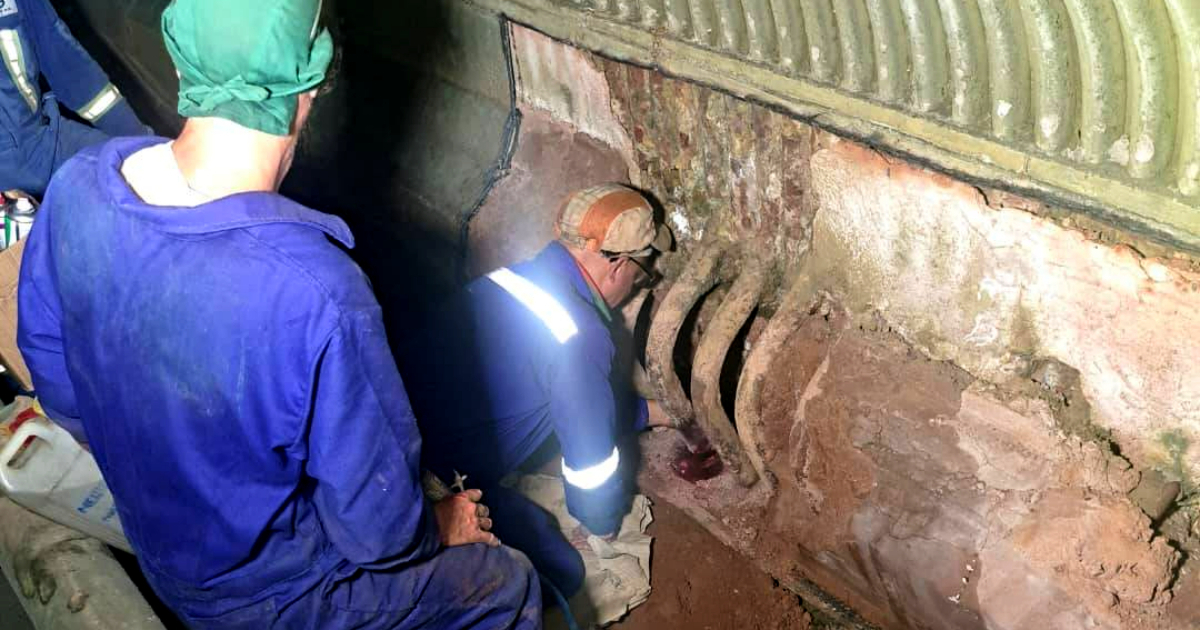
The causes are structural and have been building up for decades. Most of the Cuban thermal power plants have been in operation for over 30 years, with deferred maintenance, chronic shortages of spare parts, and cascading breakdowns.
In March 2026, nine out of the 16 thermoelectric units in the country were out of service.
The Antonio Guiteras power plant, located in Matanzas —the country's main generator— has been involved in several of the most severe outages, such as its failure on March 4 and 5 that left 68% of the island without electricity.
A leak in its boiler on March 16 caused a new total collapse, reducing the available capacity to just 590 MW compared to a demand of over 2,000 MW.
The report indicates that the energy infrastructure received less than 10% of the total investment in recent years, while the tourism sector absorbed nearly 40% of national investment between 2019 and 2024.
In 2024, 76% of electric generation relied on petroleum-derived fuels, with more than half being imported, which makes the system extremely vulnerable to any disruptions in external supply.
The geopolitical factor exacerbated an already existing crisis. Venezuela supplied Cuba with between 25,000 and 30,000 barrels of oil daily —two-thirds of its imports— but the capture of Nicolás Maduro on January 3rd interrupted that flow of Venezuelan supply.
Similarly, Mexico also halted its sales on January 27, adding more strain to the collapsed electrical system of the island.
On the other hand, at the end of February, Washington announced General License GL 46A, which allows the resale of Venezuelan oil to the Cuban private sector for commercial and humanitarian use, although the CSG warns that this measure will not impact national electricity generation.
Additionally, renewable energies remain marginal: they accounted for only 3.6% of total generation in 2024, despite Cuba adding nearly 800 MW of new solar capacity in 2025 with Chinese support.
The government plans to achieve 92 solar parks by 2028, but experts warn that without storage batteries, the panels do not address the nighttime deficit.
The economist Ricardo Torres rejects the official arguments regarding the causes of the crisis. Blaming solely the blockade is, according to the report, "simplistic and counterproductive."
Filed under: