
Related videos:
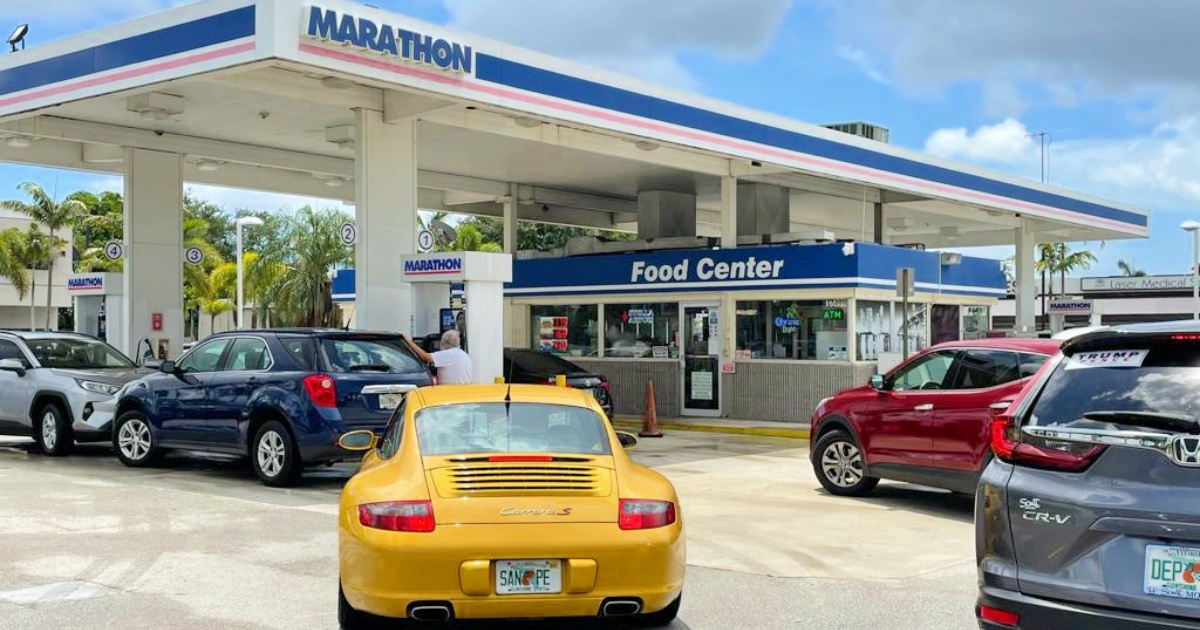
Gasoline prices in Florida soared 40 cents per gallon during the week ending on May 3, rising from $3.94 on Monday to $4.34 on Sunday, according to the weekly report by AAA - The Auto Club Group.
That Sunday average represents the highest daily price recorded in the state since July 2022, a peak not seen in nearly four years.
The direct trigger was a 13% increase in crude oil prices and a rise of 46 cents in gasoline futures, driven by the ongoing conflict with Iran and the uncertainty surrounding the closure of the Strait of Hormuz.
Mark Jenkins, spokesperson for AAA, warned that "the ongoing conflict with Iran and the uncertainty related to the closure of the Strait of Hormuz are putting upward pressure on fuel prices, with no clear signs that this will ease."
Since the onset of the conflict with Iran, the average price in Florida has risen by $1.46 per gallon, increasing from $2.88 to $4.34, which adds approximately $22 to the cost of filling an average-sized gas tank.
The worst may not have happened yet: based on additional movements in the futures market —where U.S. crude rose another 8% and gasoline futures gained an additional 13 cents in the previous week— AAA predicts that another price increase could be on the horizon, although not as drastic as the one from the previous week.
The national average price of gasoline in the United States reached $4.457 per gallon this Monday, according to AAA data.
The most expensive metropolitan markets in Florida are West Palm Beach-Boca Raton ($4.50), Naples ($4.41), and Gainesville ($4.40), while the cheapest are Pensacola ($3.96), Crestview-Fort Walton Beach ($3.99), and Panama City ($4.00).
The geopolitical backdrop of this price escalation is the blockade of the Strait of Hormuz, a route through which 20% of the world's oil supply passes, amounting to about 20-21 million barrels per day.
Iran closed the passage on March 4, 2026, in retaliation for Operation Epic Fury, the coordinated attacks by the United States and Israel on Iranian nuclear facilities launched on February 28.
The blockade caused naval traffic to collapse by 97%, left over 2,000 ships stranded, and drove Brent crude from $67 to over $126 per barrel.
This Monday, Trump ordered a military operation to force the passage of merchant ships trapped in the strait, while Iran threatened to attack any vessel attempting to cross.
Prices in Florida had already reached a previous peak of $4.198 per gallon on April 7, with isolated cases such as a station in Miami Beach that charged $5.39 per gallon, before temporarily dropping to $3.94 on April 27 due to a fragile truce that didn't last.
The inflation in the United States has increased at the pace of the conflict, and analysts project that gasoline prices could exceed $4.80 or even $5.00 per gallon nationwide if the situation escalates.
The Treasury Secretary Scott Bessent estimated a possible drop to around $3 per gallon this summer if the Strait of Hormuz is fully reopened, although analysts are skeptical of that scenario due to the ongoing risks related to insurance and security in the area.
Filed under: