
Related videos:
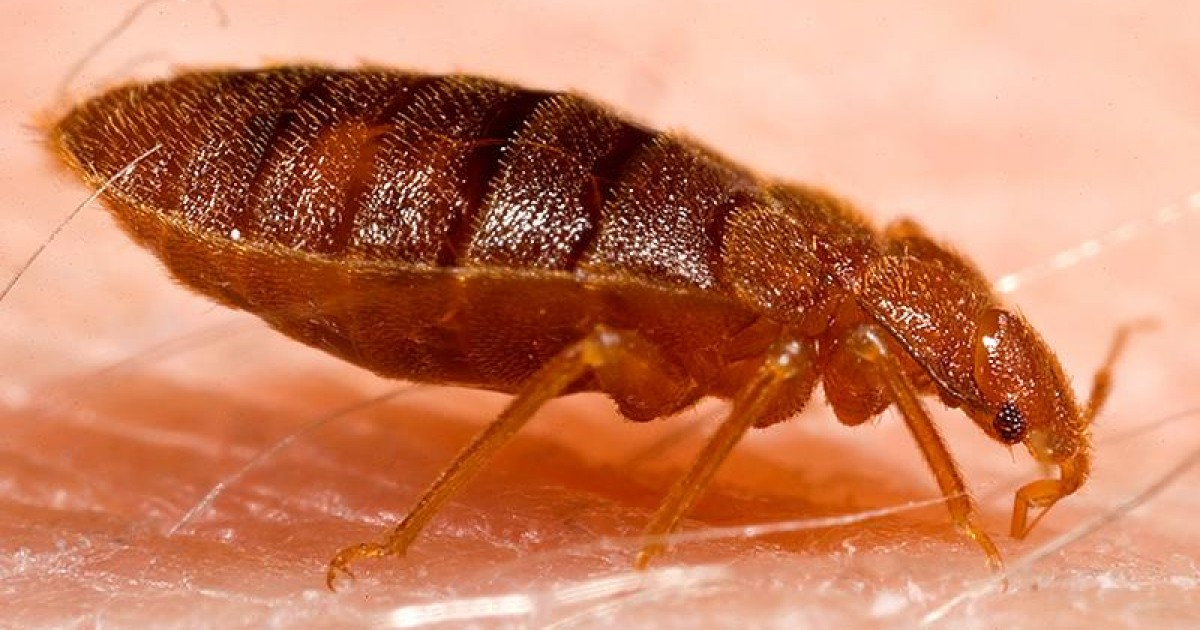
Residents of the Sorribe community in Santiago de Cuba reported a critical sanitary situation stemming from the house located at 2nd Street, number 9: a severe infestation of bedbugs and a micro-dump that is already affecting several families in the block, according to a complaint published by independent journalist Yosmany Mayeta Labrada.
The property is in extremely unsanitary conditions, with massive accumulation of garbage that has turned the house into a dump, leading to a proliferation of bedbugs and other pests that extend to neighboring homes.
"The situation is becoming unbearable and no one is doing anything. Many of us are already affected and this continues to spread," reported a concerned neighbor.
Residents claim to have approached multiple institutions: Hygiene and Epidemiology at the Julián Grimau Polyclinic, social services, and the vector control department in the area. None have provided a concrete response or effective intervention.
Neighbors also point out that the man who lives in the house has seven siblings, and none of them have addressed the issue.
The community demands the urgent intervention of Public Health, Community Services, and local authorities, especially given the risk it poses to children and the elderly in the area.
The report is not an isolated case. Santiago de Cuba has been experiencing a series of infestation outbreaks since 2024 that the authorities have failed to control. In July of that year, a bedbug infestation invaded the Gustavo Machín Psychiatric Hospital with no effective solution for months, and in July 2025, a video showed an elderly patient covered in bedbugs at that same facility.
In May 2025, the infestation affected the semi-boarding school Raúl Gómez García in the Abel Santamaría neighborhood, with multiple cases of bites reported among students. That same year, the Puerto Príncipe Hotel in Camagüey completely closed due to an infestation that extended two blocks in all directions.
The health deterioration in Santiago de Cuba is systemic. In April 2026, the provincial government admitted to a hygiene-epidemiological decline that includes an Aedes aegypti infestation above the historical average, poor sanitation, unchlorinated water, and a lack of fumigation due to fuel shortages.
That same month, Mayeta Labrada documented a primary school surrounded by garbage in Santiago de Cuba, and in December 2025, the Catholic Church of the Holy Trinity publicly denounced the accumulation of waste in front of the temple, describing it as "outrageous, painful, and deeply disrespectful."
Health authorities have acknowledged the shortage of insecticides as the primary obstacle in combating the pest, while the Ministry of Public Health has not issued any official statements regarding the situation at the national level.
"When a plague enters a neighborhood and institutions look the other way, it is no longer an individual problem. It becomes a public health issue," warned Mayeta Labrada in her statement.
Filed under: