
Related videos:
The suspension of operations by Sherritt International in Cuba signifies much more than the withdrawal of a foreign company.
If the decision is finalized in the coming weeks, the regime would simultaneously lose one of its main sources of foreign currency, a key support for electricity generation and the backing of one of the few international investors who still believed in the island despite the economic and financial collapse.
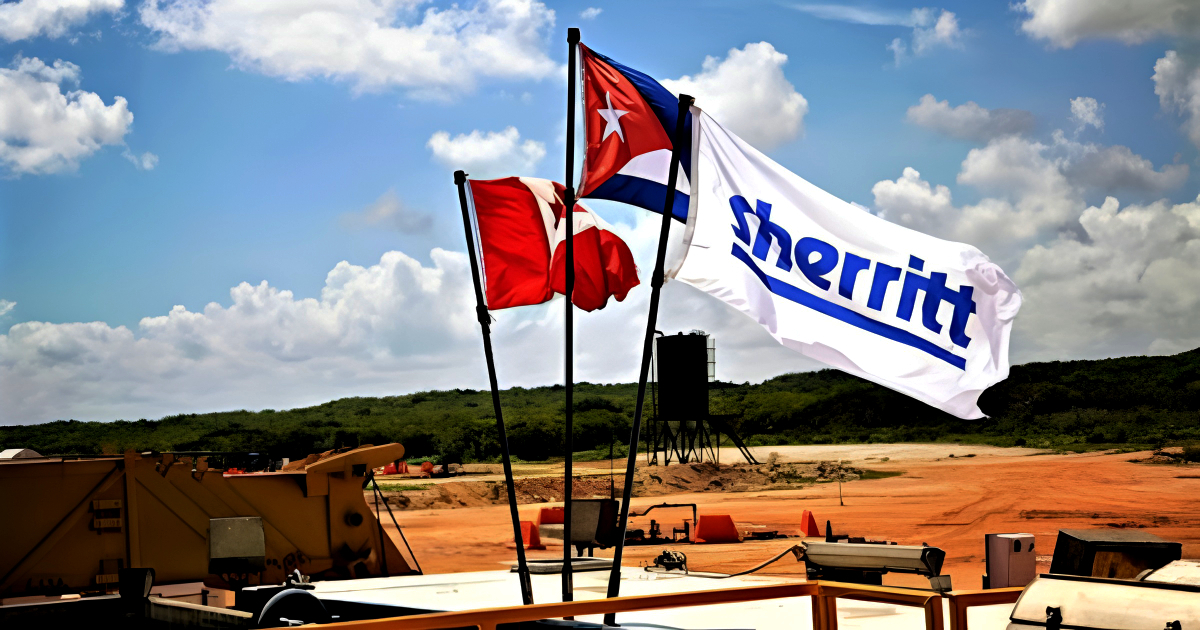
The Canadian mining company, present in Cuba since the early nineties, announced the suspension of its direct involvement in the joint ventures it operated on the island following the new executive order signed by Donald Trump on May 1.
Secondary sanctions against foreign financial entities that maintain ties with blocked Cuban companies placed Sherritt in an unsustainable position: continuing in Cuba meant risking access to the international banking system.
The economic blow to Havana is significant. The company operated alongside the Cuban government the Moa mine, in Holguín, which is one of the main sources of nickel and cobalt exports for the country.
In 2025, production reached 25,240 tons of nickel and 2,728 tons of cobalt. At average international prices reported by the company itself, that volume corresponds to nearly 490 million dollars gross annually in metals, before deducting operating costs and profit sharing.
Although Cuban nickel was already affected by energy issues, fuel shortages, and industrial deterioration, Sherritt's exit threatens to push the sector into a much more critical phase.
The company provided access to technology, refining, international logistics, and external financing—capabilities that the regime can hardly replace in the current context.
The situation is even more delicate because Sherritt had already warned in February about production interruptions in Moa due to a shortage of fuel provided by the Cuban authorities themselves. Now, without foreign technical support and facing increasing financial restrictions, the risk of partial or sustained shutdown significantly increases.
But the impact is not limited to mining.
Through Energas S.A., Sherritt also participated in the electricity generation through plants powered by Cuban natural gas. Energas has an installed capacity of around 506 megawatts, which represents about 10% of the national electricity capacity.
In a Cuba where power outages daily affect millions of people and where the electric power system is experiencing its worst crisis in decades, any additional operational deterioration could have immediate consequences.
Although the plants will not disappear overnight, the exit of the Canadian company jeopardizes maintenance, parts, technical assistance, and investment capacity. In a system that is already collapsed, even small reductions in efficiency can translate into more hours of blackouts.
Sherritt's withdrawal also has a particularly serious symbolic and financial dimension for the regime. For more than three decades, the Canadian mining company was regarded as the most significant example of stable foreign investment in Cuba.
Survived the Helms-Burton Act, U.S. sanctions, and years of unpaid debts from Cuba. In fact, Havana has accumulated a debt exceeding 340 million dollars with the company.
If even Sherritt concludes that operating in Cuba is no longer viable, the message for potential international investors is devastating.
The regime may still try to partially maintain Moa's operations through Cubaniquel or seek alternative partners in Russia or China. However, replacing Sherritt's financial and commercial structure will not be quick or easy.
Furthermore, the new U.S. sanctions significantly increase the cost and risk for any foreign actor willing to get involved.
In an economy facing fuel shortages, a collapse in tourism, uncontrolled inflation, and massive emigration, Sherritt's exit could become one of the harshest external blows to Cuba in recent years.
Filed under: