
Related videos:
The Canadian mining company Sherritt International Corporation issued a corporate alert on Monday following the signing of a new Executive Order by President Donald Trump on May 1, which significantly expands U.S. sanctions against Cuba and explicitly includes the metals and mining sector where the company operates.
In a statement issued this Monday, Sherritt indicated that "it is consulting with its advisors and stakeholders to assess the potential implications of the Executive Order and is considering the next steps regarding the Corporation's interests in Cuba."
The order, signed last Thursday and invoking the International Emergency Economic Powers Act, authorizes sanctions on broad sectors of the Cuban economy: energy, defense, metals and mining, financial services, and security.
What concerns Sherritt the most is the threat of secondary sanctions against foreign financial institutions that engage in transactions with blocked Cuban entities, which could directly impact the company's business model.
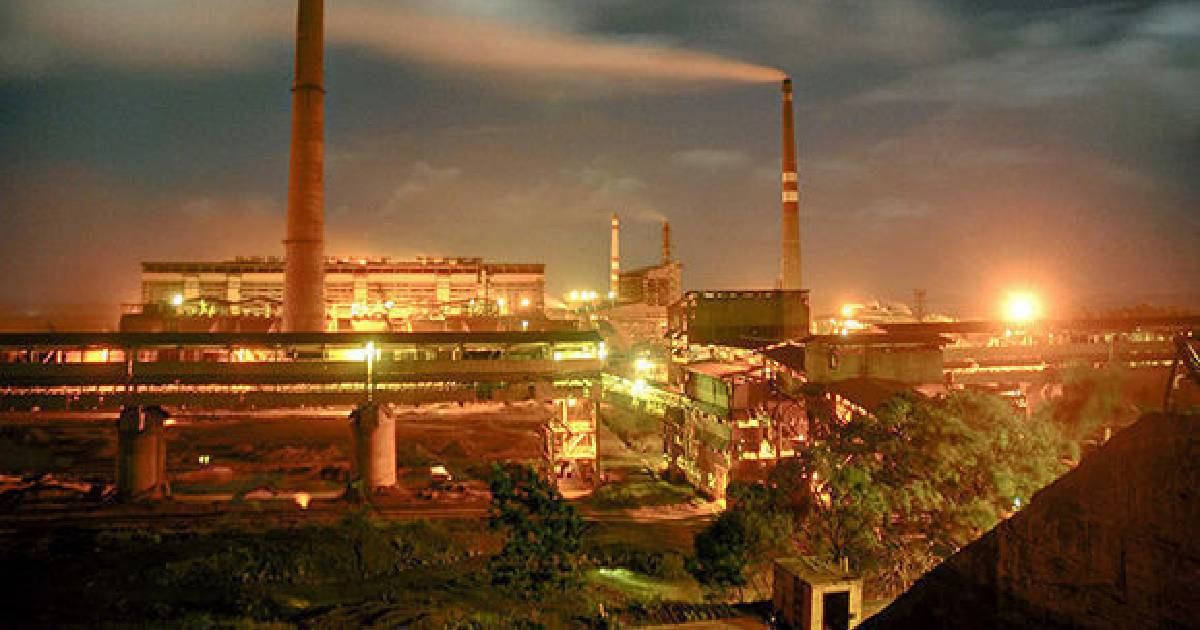
Sherritt operates in Cuba through two main businesses: the joint venture Moa Nickel S.A. in Holguín, dedicated to the extraction of nickel and cobalt, and the Energy division through Energas S.A., which is the largest independent electricity producer on the island, with a capacity of 506 megawatts, accounting for between 10% and 15% of Cuba's electricity generation.
The company's situation was already critical before the new order. On February 17th, Sherritt suspended its mining operations in Moa due to a lack of fuel, placing the plant on standby for maintenance.
By 2025, production had already dropped to 25,240 tons of nickel and 2,729 tons of cobalt, compared to 30,331 and 3,206 tons respectively recorded in 2024, affected by the energy crisis, delays in supplies, and Hurricane Melissa in October 2025.
This is compounded by the fact that the Cuban government has accumulated a debt of at least 344 million dollars to Sherritt, according to data from early this year, a figure that reflects the chronic pattern of defaults by the regime towards its foreign partners.
To address its own financial needs, the company closed a private placement of up to 50 million dollars in April and obtained a court order to extend debt maturities.
The new order of May 1 represents an unprecedented escalation within the maximum pressure strategy of Trump against the Cuban dictatorship, which since January 2026 has accumulated over 240 sanctions against the regime and has reduced Cuba's energy imports by 80% to 90%, worsening the blackouts that already affect more than 55% of the national territory.
Sherritt's history with U.S. sanctions is extensive: it was the first company targeted by the Helms-Burton Act in 1996, when its executives received exclusion letters barring them from entering the United States for operating on properties expropriated by Cuba, a prohibition that remains in effect today.
The company, whose shares are traded on the Toronto Stock Exchange under the symbol "S", will publish its first quarter results for 2026 on May 12, a presentation that will occur amidst uncertainty about the future of its operations on the island.
Filed under: