
Related videos:
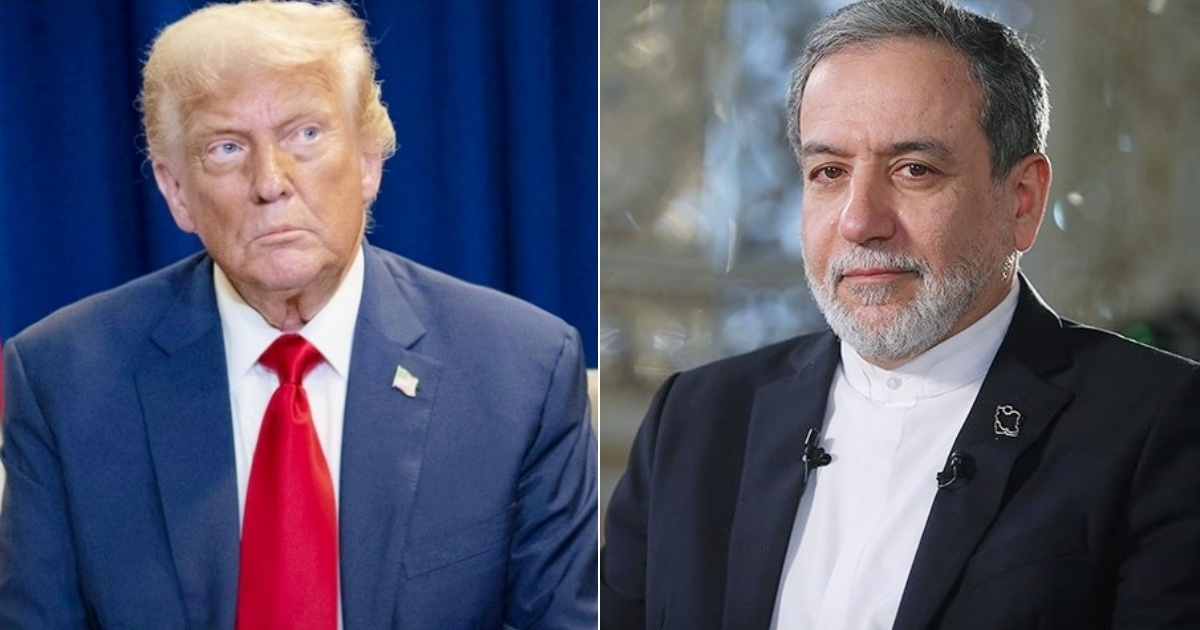
Iran delivered its formal response this Sunday to the latest peace proposal from United States, using Pakistan as a mediating country, according to the Iranian state agency IRNA.
The response from the Islamic Republic suggests focusing the first phase of negotiations on ending the conflict in the region and maritime security in the Persian Gulf and the strait of Ormuz, postponing any discussion about the Iranian nuclear program to a later stage.
The Pakistani Prime Minister, Shehbaz Sharif, publicly confirmed the receipt of the document during a speech at the Pakistan Monument in Islamabad, revealing that it was General Asim Munir who informed him about the arrival of the Iranian response.
"The field marshal just told me that Iran's response has been received. I cannot provide further details," Sharif stated before the country's military and political leadership, citing reasons of diplomatic security.
The Pakistani leader highlighted Islamabad's historical role in bringing Tehran and Washington back to the negotiating table in a conflict that has shaken global energy markets and the stability of the entire region.
The spokesperson for the Iranian Foreign Ministry, Ismail Bagaei, had confirmed on several previous occasions that Tehran was reviewing the U.S. proposal, which arrived in response to a 14-point Iranian peace plan presented on May 1.
That Iranian plan, structured in three phases, included a 15-year pause on uranium enrichment, but Trump rejected it as "unacceptable," demanding the complete dismantling of the nuclear program and a 20-year moratorium.
The U.S. president had warned on Friday that if he did not receive a response from Iran, he would reactivate the Operation Freedom Project to escort ships in Hormuz, launched on May 3 with 15,000 military personnel and more than 100 aircraft.
The conflict began on February 28, 2026, with Operation Epic Fury, a joint attack by the U.S. and Israel on Iranian nuclear facilities. Iran responded by closing the Strait of Hormuz on March 4, stranding between 1,550 and 2,000 ships along with about 20,000 sailors, and causing the price of Brent crude to soar from $67 to over $126 per barrel.
After 39 days of hostilities, a ceasefire came into effect on April 8, mediated by Pakistan. A first round of high-level negotiations took place in Islamabad on April 11 and 12, with the participation of JD Vance, Steve Witkoff, and Jared Kushner from the U.S. side, but it ended without an agreement after more than 20 hours of negotiations, mainly due to disagreements over the nuclear program.
This Sunday was also marked by a new escalation: Kuwait and the United Arab Emirates reported attacks against their territory, the first since the ceasefire began. A projectile struck a vessel 23 nautical miles northeast of Doha, causing a small fire with no casualties, and Qatar reported a drone attack on a freighter traveling from Abu Dhabi to Doha; Iranian media stated that the ship was sailing under a U.S. flag and was carrying grains.
Russia, through President Putin, has proposed storing Iranian enriched uranium in Russian territory as a possible compromise solution, in an initiative that could ease the main point of friction between Washington and Tehran.
Filed under: